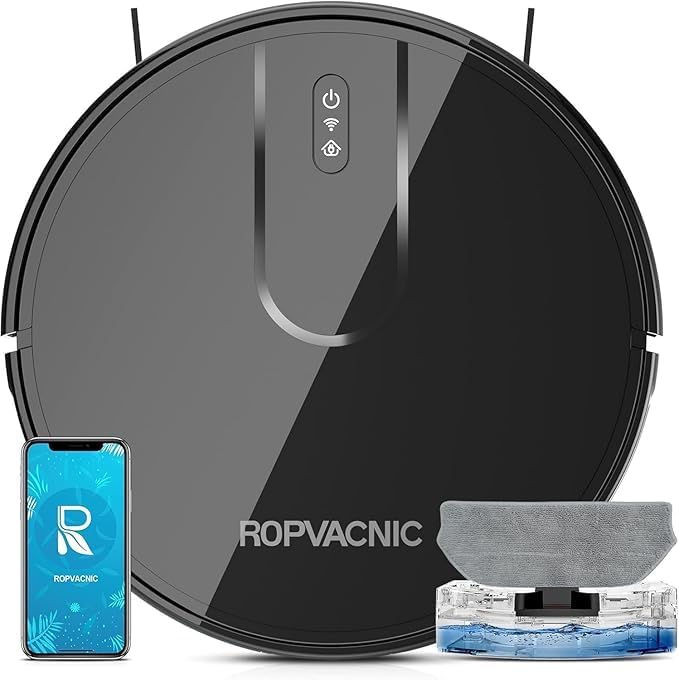
Finding the right robot vacuum vinyl plank rv tiny home setup means balancing slim profiles, gentle cleaning, and compact docking. RVs and tiny homes often combine luxury vinyl plank (LVP) flooring with tight clearances, narrow galley kitchens, and limited outlets. In 2026, the best robots for these spaces clean without scratching planks, navigate cramped layouts, and tuck their docks into closets or under cabinetry. This guide highlights five proven robots that excel on vinyl plank in compact mobile and small-footprint dwellings, with a quick comparison and FAQs for boondocking, off-grid living, and full-time RV travelers.
Why vinyl plank flooring in RVs and tiny homes needs a special robot
Luxury vinyl plank is the go-to floor for modern fifth wheels, camper vans, Class A motorhomes, and tiny houses on wheels. It is lightweight, water-resistant, and tougher than laminate, but it still demands care. Grit dragged across the surface can dull the wear layer over time, and standing water from an over-saturated mop can creep into the seams. A robot designed for LVP delivers strong suction to lift sand and pet hair, controlled mopping that mists rather than floods, and intelligent edge detection so it does not tumble down a slide-out or open hatch.
Compact living adds extra constraints. Most RV main living areas are 100 to 250 square feet, and tiny homes typically run 120 to 400 square feet. Furniture sits close together, and many cabinets clear the floor by just three to four inches. A 4-inch-tall robot that bumps into chair legs forty times during a clean is a nuisance; an ultra-slim model that slips beneath the dinette and maps the rig in a single pass is a daily helper.
Key features to prioritize in 2026
- Slim profile (under 3.5 inches if possible) to clear RV cabinet toe-kicks and tiny-home built-ins.
- LiDAR or precision mapping for accurate navigation in narrow hallways and saved no-go zones around slide rails.
- Adjustable mop pressure and flow so vinyl seams stay dry.
- Tangle-resistant brush rolls, since long human and pet hair wraps quickly in confined spaces.
- Self-empty docks with small footprints or charge-only docks if storage is at a premium.
- App scheduling with multiple map saving for travelers who park in different sites week to week.
Comparison table: top robots for vinyl plank in small spaces
| Model | Suction | Profile | Mopping | Best For |
|---|---|---|---|---|
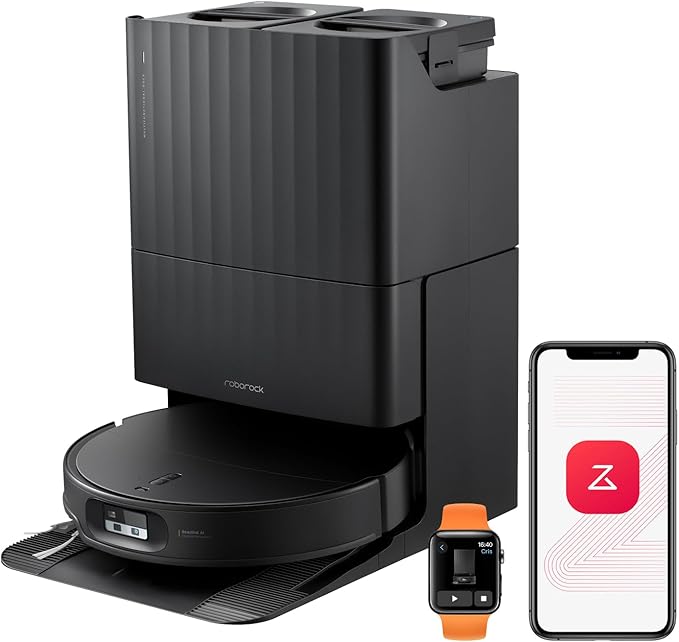
| Roborock Qrevo Edge 2 | 25,000 Pa | Ultra-slim | Spinning pads with lift | Lowest RV clearances |
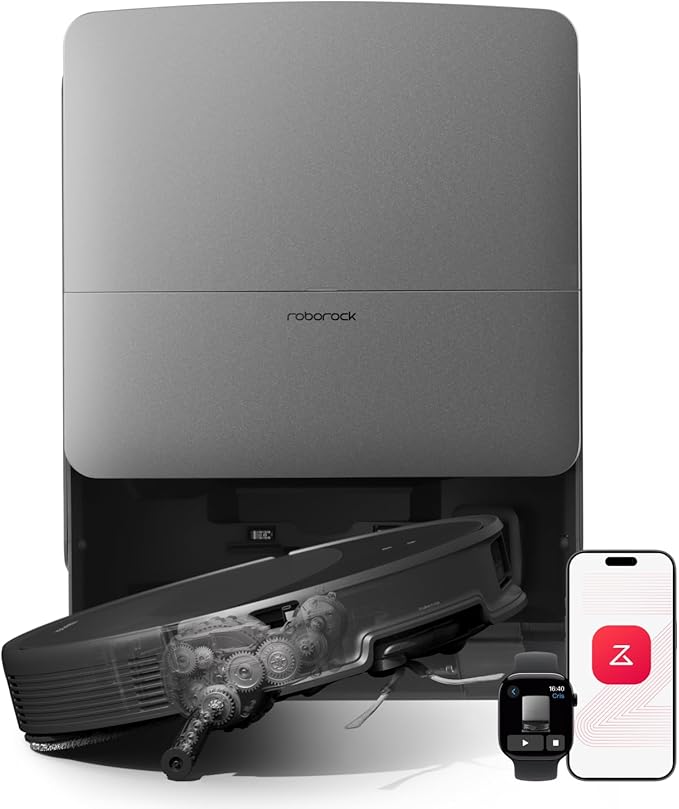
| Roborock Saros 10R | 22,000 Pa | Slim | Vibrating mop | Pet-heavy rigs, hair tangling |
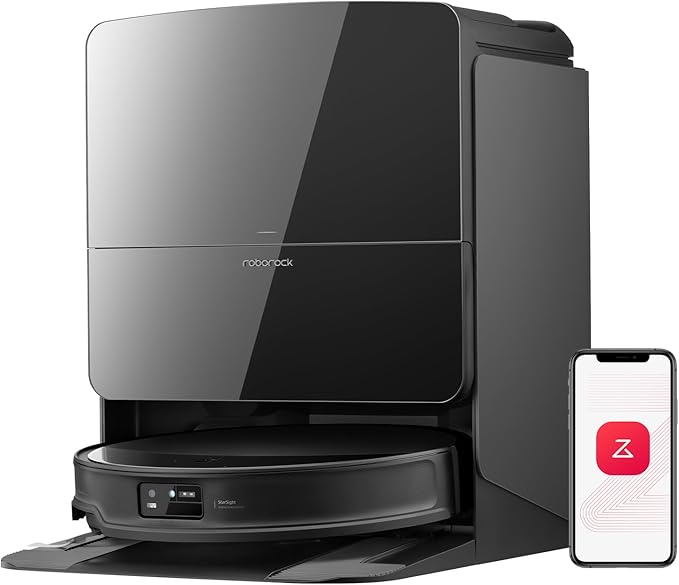
| Roborock Saros 20 | 36,000 Pa | Slim | Dual spinning pads | Heavy-traffic tiny homes |
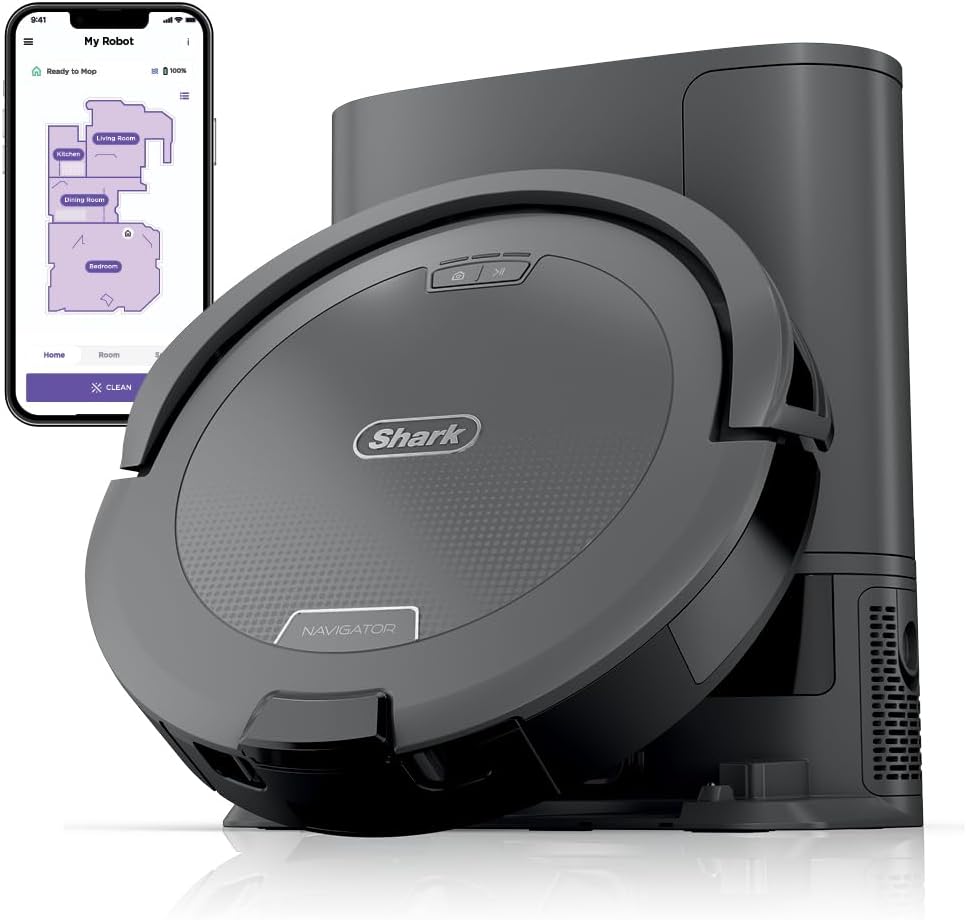
| Shark PowerDetect NeverTouch Pro | PowerDetect adaptive | Standard | Sonic mopping, self-empty | Hands-off long trips |
| Shark Matrix Plus 2-in-1 | High | Standard | Sonic mopping | Budget-conscious owners |
Our top picks for 2026
1. Roborock Qrevo Edge 2 — Best ultra-slim for tight RV clearances
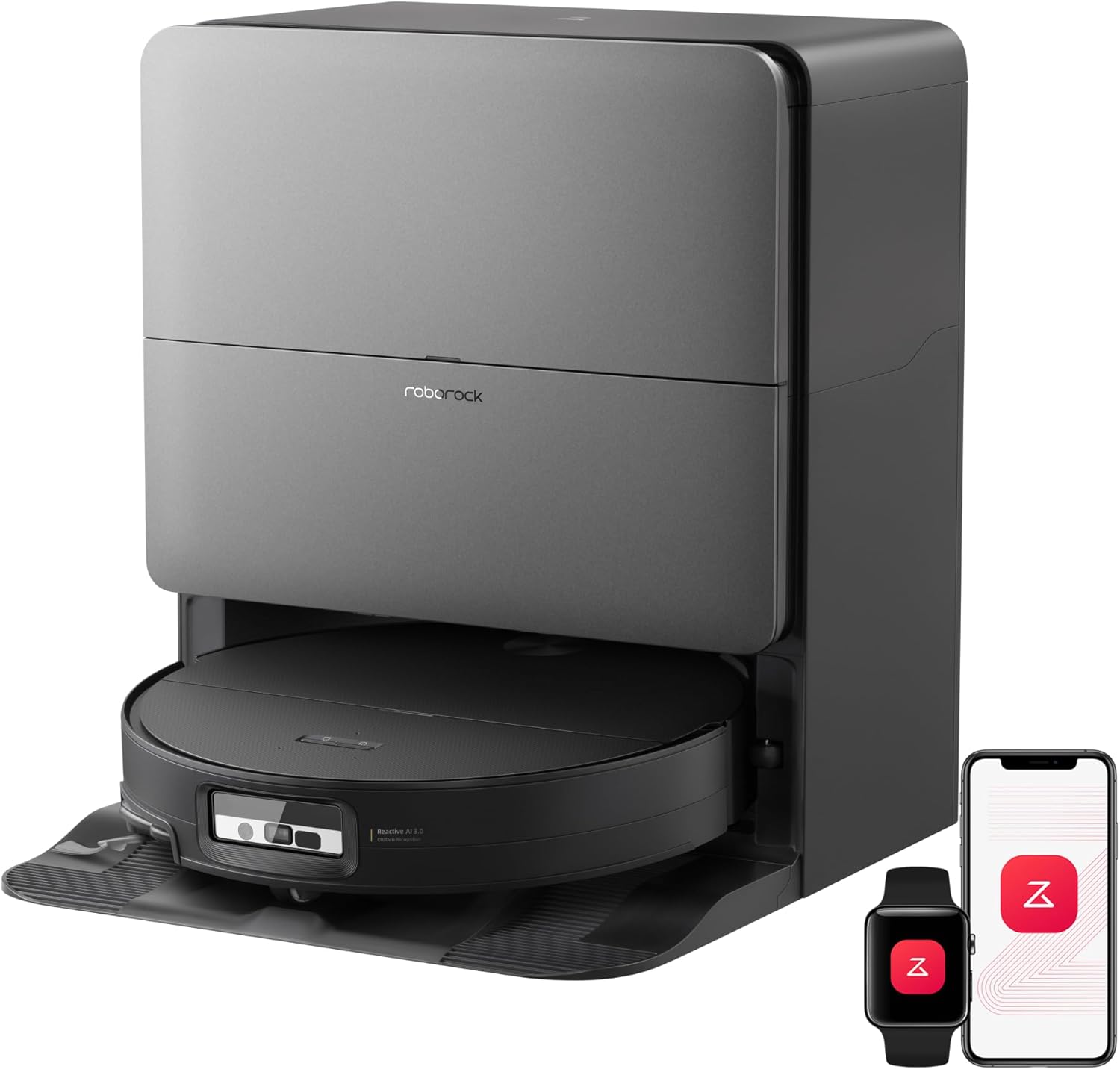
The Qrevo Edge 2 is the standout for anyone with low-clearance dinette benches, slide-outs, or vintage tiny-home cabinetry. Its ultra-slim chassis squeezes into spots most robots cannot reach, and the 25,000 Pa suction lifts trail dirt and sand from vinyl seams without abrasive brushing. The spinning mop pads apply gentle, even pressure, just damp enough for LVP, with no puddles. The edge-extending side brush also pushes debris out from baseboards, which matters when an RV floor plan has more wall-following inches than open square footage. Check the Roborock Qrevo Edge 2 on Amazon.
2. Roborock Saros 10R — Best for pet hair in mobile living
Full-time RVers with dogs or cats know how fast pet hair builds up in 200 square feet. The Saros 10R uses a zero-tangling brush system that pulls hair through rather than wrapping it around the roller, a huge win for travelers who do not want to scissor-cut a brush in a dusty parking lot. At 22,000 Pa with a sub-3.2-inch profile, it cleans vinyl plank well and slips under most RV sofas. The dual-light navigation works even when blackout curtains are drawn for boondocking nights. See the Roborock Saros 10R on Amazon.
3. Roborock Saros 20 — Best premium suction for tiny homes
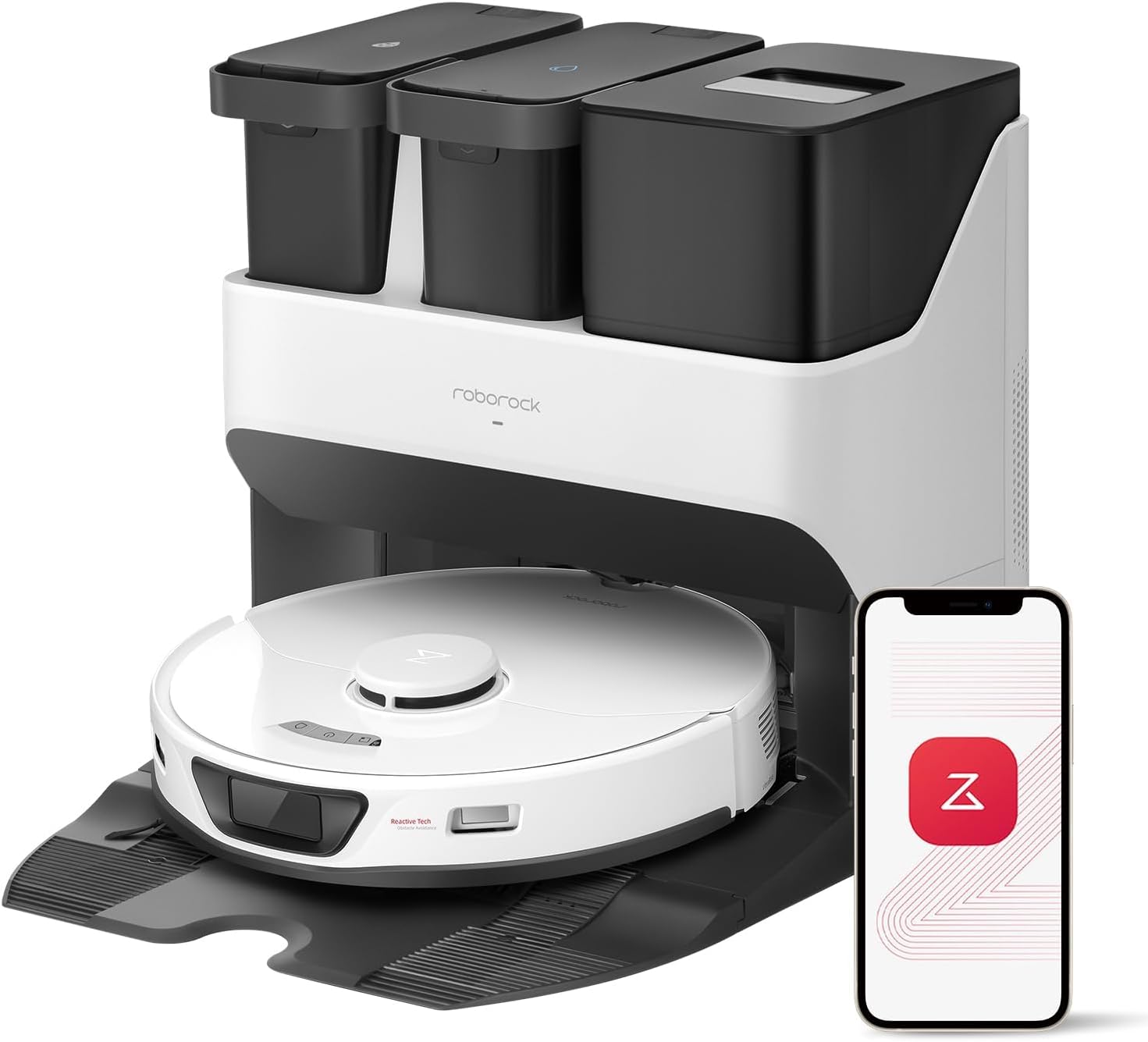
If your tiny home is permanently sited and you want one robot to handle vinyl plank, an entry rug, and the occasional wood-stove ash, the Saros 20 is the heavy-hitter. The 36,000 Pa suction is overkill for square footage but matches the heavy-traffic profile of a hardworking small home: muddy boots, garden soil tracked from the porch, fine dust from a fiber arts space. The dual spinning pads with auto-lift keep LVP clean without bringing water onto adjacent rugs. View the Roborock Saros 20 on Amazon.
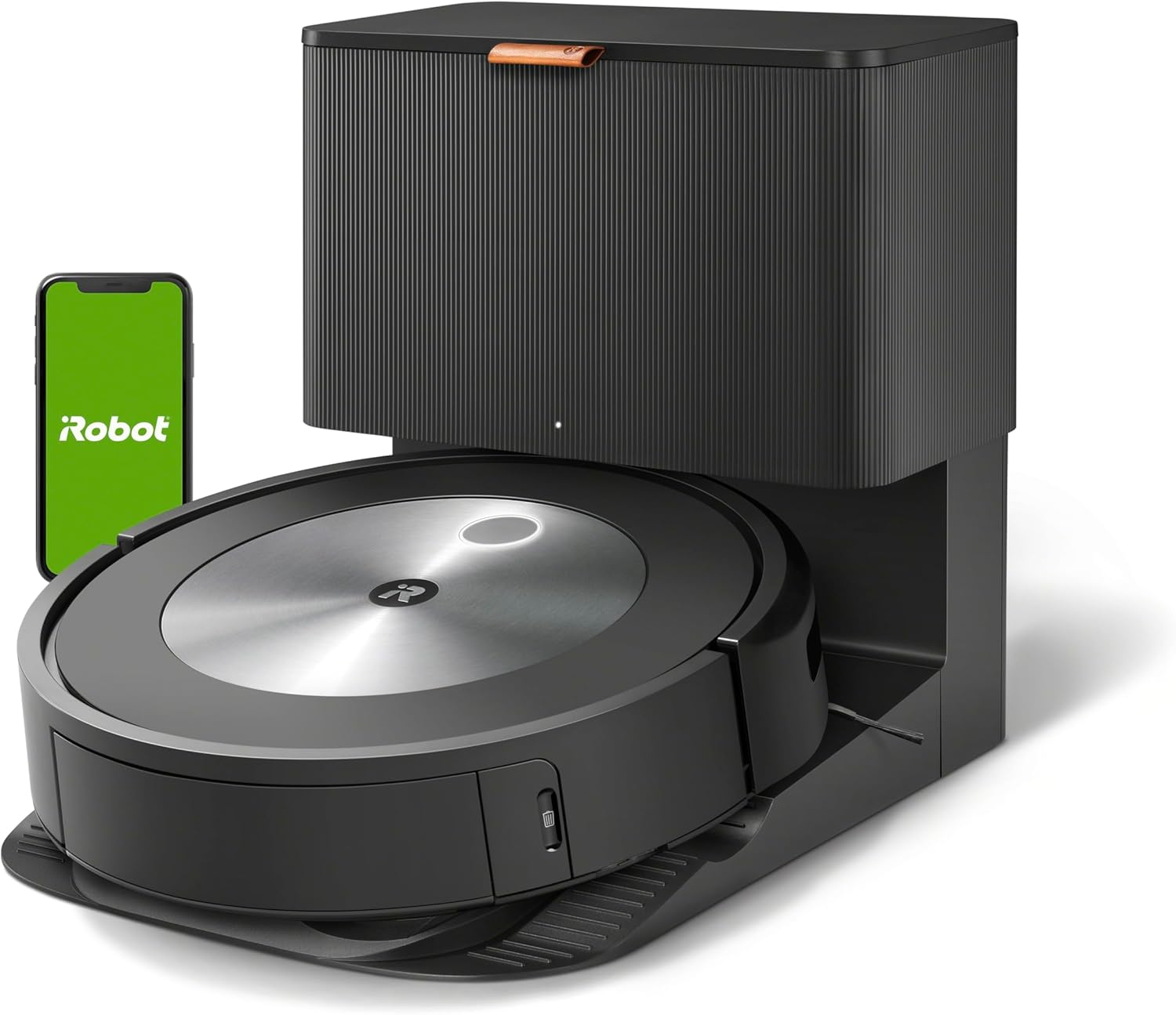
4. Shark PowerDetect NeverTouch Pro — Best self-empty combo for long trips
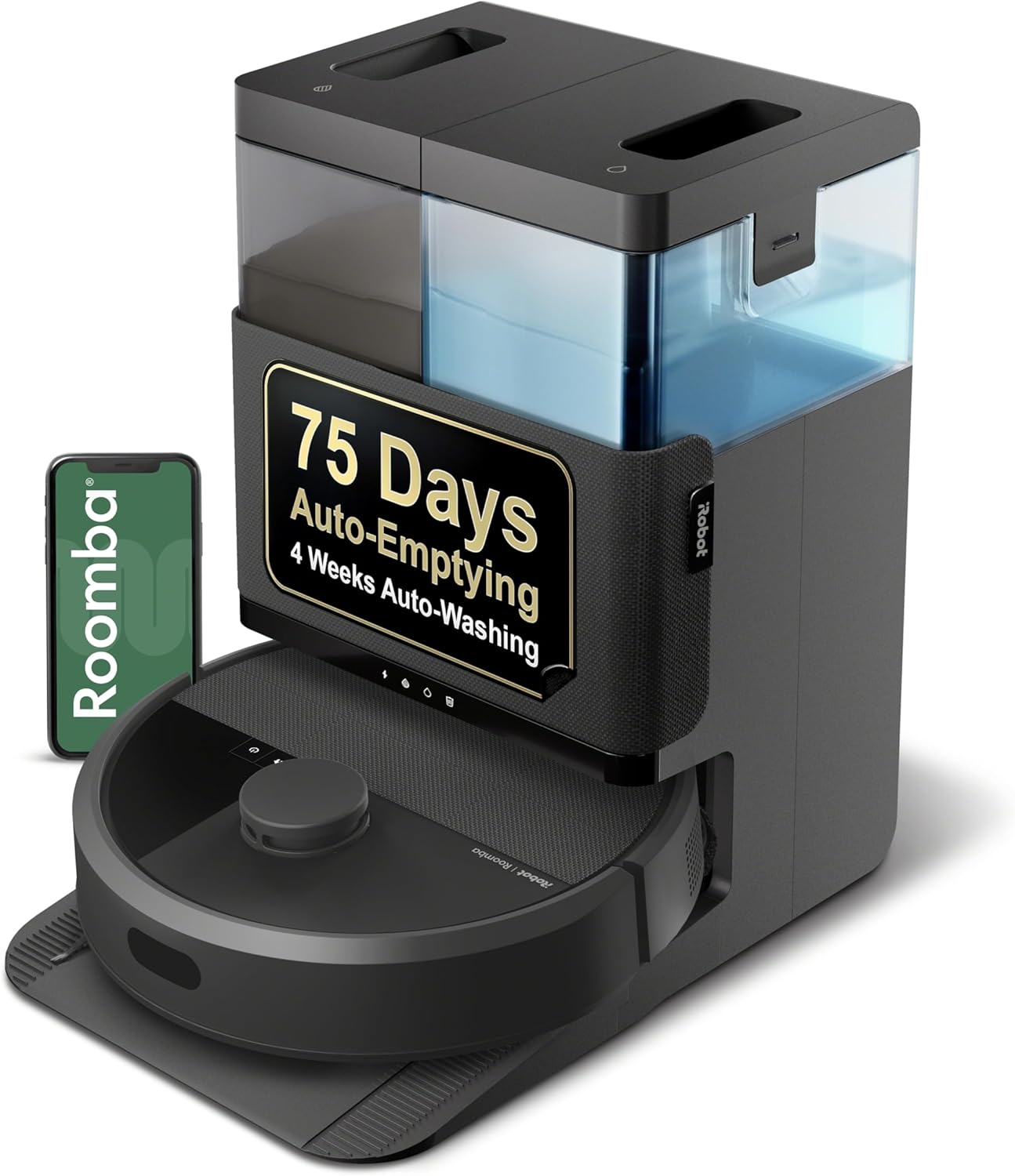
For RVers on multi-week trips who do not want to think about emptying anything, the Shark PowerDetect NeverTouch Pro self-empties into a bagged dock and handles vacuum-plus-mop duties in one pass. PowerDetect technology bumps suction when it senses heavier debris, which is useful on vinyl plank near entry mats. The dock is larger than the Roborock options, so plan storage in a closet or basement compartment during transit. Check the Shark PowerDetect NeverTouch Pro on Amazon.
5. Shark Matrix Plus 2-in-1 — Best value pick for tiny homes
The Matrix Plus 2-in-1 is the friendliest entry point if you have never owned a robot vacuum and want to test the waters. The Matrix Clean grid pattern double-passes high-soil areas, and the sonic mopping pad scrubs vinyl plank without flooding seams. It is not the slimmest robot here, but for a static tiny home or a stationary park-model RV, it is a strong value. See the Shark Matrix Plus on Amazon.
How to set up your robot for RV and tiny-home living
A few tricks make any robot vacuum vinyl plank rv tiny home setup work better day to day:
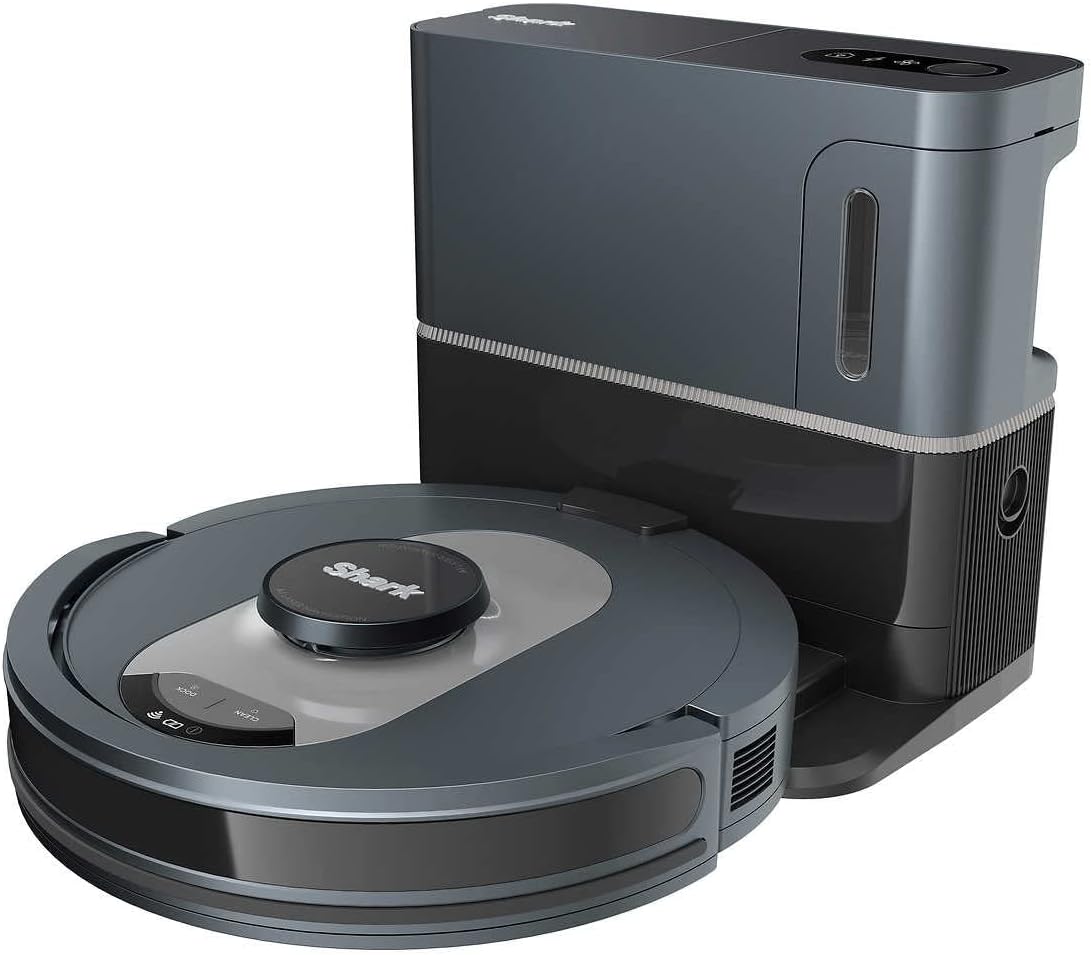
- Anchor the dock: Use removable mounting putty under the dock feet so it does not slide while you are driving. Some travelers stow the dock during transit and only set it up at camp.
- Save multiple maps: If you have a regular winter and summer site, save each layout so the robot knows your floor plan instantly when you arrive.
- Block the slide tracks: Use the app no-go zones to keep the robot away from open slide-out rails, where a tumble could cause damage.
- Match mop water to your tank: Refill from your fresh-water spigot, and empty into a gray water bottle if you are dry camping.
- Run while you hike: Schedule the robot to start 30 minutes after you leave the rig so the inverter has time to stabilize on solar-only setups.
For more on choosing compact models, see our guide to slim robot vacuums under 3 inches and our roundup of robot mops for luxury vinyl plank floors. If you are focused on noise levels because your tiny home is open-plan, check our quiet robot vacuums for apartments.
Power and battery considerations for RVs
Most charging docks pull around 30 to 50 watts during a cleaning cycle and drop to under 5 watts when topped off. That is manageable on a 200-watt solar setup with even modest battery storage, but if you are running on shore power only and worried about the breaker, schedule the robot cleanings during daylight hours when the AC and water heater are less likely to cycle at the same time. Pure sine-wave inverters are recommended; some modified sine units can confuse the dock charging circuit.
Frequently Asked Questions
Will a robot vacuum scratch vinyl plank flooring in my RV?
Quality robots with soft rubber rollers or silicone-tipped brushes will not scratch LVP under normal use. The risk comes from debris, specifically sand and grit, being dragged across the floor. Empty the dustbin frequently in beach or desert environments, and inspect brush rolls weekly. The Roborock Saros and Qrevo lines use rubberized rollers that are particularly gentle on vinyl.
What is the best robot vacuum for a 200-square-foot RV with vinyl plank?
For a 200-square-foot rig, the Roborock Qrevo Edge 2 is the top pick because its ultra-slim profile fits under most RV cabinetry and the dock is compact enough for a basement bay. The Saros 10R is a close second if you have pets. Either model will finish a full cleaning cycle in under 25 minutes.
Can I use a robot mop on vinyl plank if the seams are not glued?
Yes, but use the lowest water setting and dry-mop or sweep first. Floating LVP floors with click-lock seams tolerate a damp mop, but pooling water near seams over months can lead to swelling. The vibrating and spinning mop systems on Roborock models apply controlled moisture, which is safer than a soaking-wet pad.
How do I store a robot vacuum dock when towing or driving?
Most full-timers strap the dock into a closet, basement compartment, or under-bed storage during transit. The Roborock docks weigh 8 to 14 pounds and are stable in a soft-sided bin with foam padding. The Shark NeverTouch Pro dock is larger; many owners build a custom shelf for it in their garage bay.
Will a robot vacuum work on solar power in an off-grid tiny home?
Yes. A typical cleaning cycle pulls 20 to 35 Wh from the battery, and the dock then trickles the robot back to full over a few hours. On a 400-watt solar array with 200 Ah of lithium storage, daily robot cleaning has negligible impact on your power budget. Run cleanings during peak solar hours for the best results.
How do robot vacuums handle thresholds between vinyl plank and rugs?
Modern robots like the Saros 20 and Qrevo Edge 2 lift their mop pads automatically when they detect carpet, so rugs stay dry. For thresholds under 3/4 inch, all five models in this guide cross easily. If your tiny home has a raised loft step or a sunken living area, set a no-go line in the app to keep the robot in the lower zone.
Is the Roborock Saros 20 overkill for a tiny home?
For a small footprint, the 36,000 Pa suction is more power than you need on a daily basis, but it is useful if you have heavy pet shedding, frequent outdoor entry, or a wood stove. If your tiny home is single-occupant with light traffic, the Saros 10R or Qrevo Edge 2 will save you money and deliver excellent results on vinyl plank.
Final thoughts
The best robot vacuum vinyl plank rv tiny home choice in 2026 comes down to clearance, suction, and how hands-off you want to be. The Roborock Qrevo Edge 2 wins on slim profile and value; the Saros 20 wins on raw power; the Shark PowerDetect NeverTouch Pro is the most hands-off for travelers. Whichever you pick, save your floor plan, block the slide-out rails, and let the robot do what it does best while you enjoy the view.
Key Takeaways
- Choosing the right robot vacuum vinyl plank rv tiny home means matching capacity and output ports to your actual devices
- Always check actual watt-hours (Wh), not just watts — runtime depends on Wh, not peak output
- Also covers: best robot vacuum lvp tiny house
- Also covers: rv friendly robot vacuum review
- Also covers: robot vacuum motorhome vinyl floors
- Compare price-per-Wh across models to find the best value for your budget