If you're searching for the dreametech l20 ultra for taxidermy studios to manage feather down, tanning sawdust, borax residue, and the fine fluff that drifts off mounts during finishing work, you're in the right place. Taxidermy shops generate a uniquely difficult debris profile: ultralight plumage, oily tanning particulates, dried hide shavings, and gritty borax that sticks to every floor seam. A standard robot vacuum chokes on this stuff. The Dreametech L20 Ultra is a popular pick for this niche thanks to its tangle-resistant roller, high-suction self-empty dock, and dual rotating mop pads that lift bonded tanning dust. Below we compare the L20 Ultra against the best 2026 alternatives that taxidermists actually keep running through fleshing-day cleanups.
Why Robot Vacuums Struggle in Taxidermy Studios
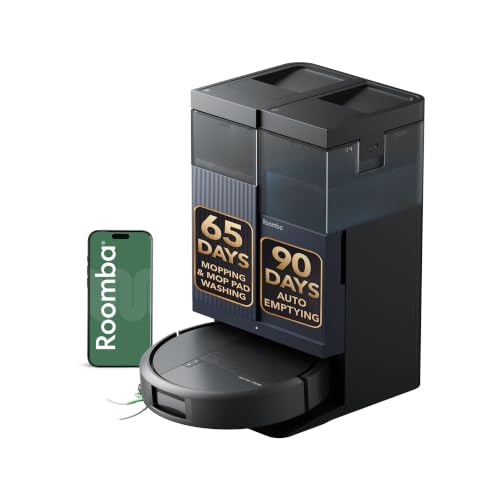
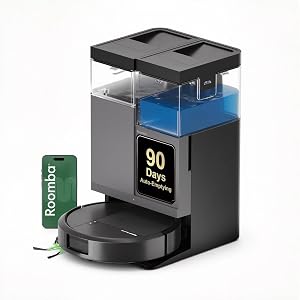
- CLEAN FLOORS EVERY DAY—WITHOUT THINKING ABOUT IT. The Roomba Plus 415X vacuums and mops in one run, stopping crumbs, dust, and spills before they turn into stuck‑on messes. With
- NO MORE SCRUBBING DRIED‑ON MESSES. SmartScrub applies extra pressure exactly where messes are stubborn—breaking down dried food, muddy paw prints, and kitchen splatter, so you
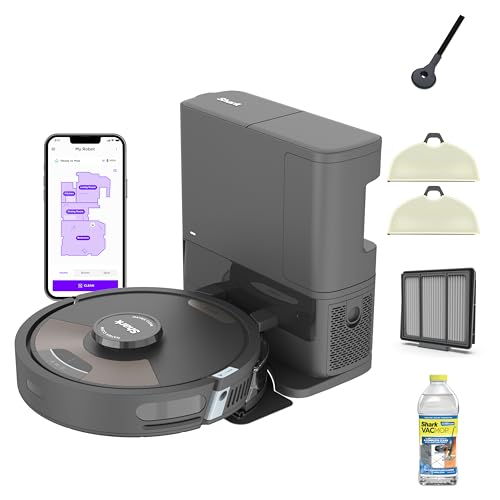
- HIGH POWER SUCTION & SONIC MOPPING: First, it’s an ultra-powerful whole-home vacuum for carpets and floors that empties its own dustbin. Second, it vacuums and sonic mops hard
- MATRIX CLEAN ROBOT VACUUM & MOP: With Matrix Clean, the robotic vacuum cleans in a precision matrix grid taking multiple passes over dirt and debris delivering 30% better carpet
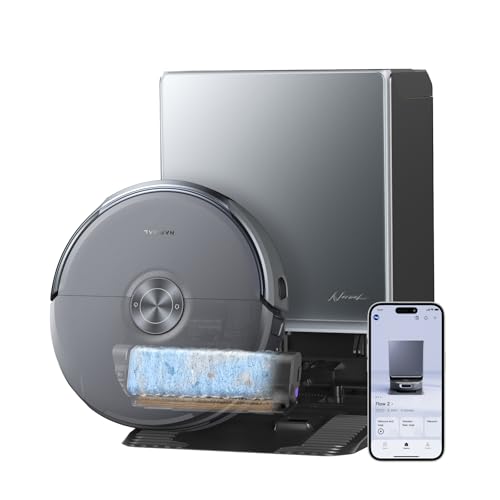
- 𝗧𝘄𝗶𝗻𝗔𝗜 𝗗𝗼𝗱𝗴𝗲 𝗡𝗮𝘃𝗶𝗴𝗮𝘁𝗲𝘀 𝗖𝗼𝗺𝗽𝗹𝗲𝘅 𝗥𝗼𝗼𝗺𝘀 𝗪𝗶𝘁𝗵𝗼𝘂𝘁 𝗚𝗲𝘁𝘁𝗶𝗻𝗴 𝗦𝘁𝘂𝗰𝗸: An AI chip paired with dual RGB cameras creates a perfect view of
- 𝗣𝗲𝘁 𝗖𝗮𝗿𝗲 𝗠𝗼𝗱𝗲 𝟮.𝟬 𝗳𝗼𝗿 𝗜𝗻𝘁𝗲𝗹𝗹𝗶𝗴𝗲𝗻𝘁 𝗔𝗱𝗮𝗽𝘁𝗶𝘃𝗲 𝗖𝗹𝗲𝗮𝗻𝗶𝗻𝗴: Dual RGB cameras intelligently recognize pet supplies to identify specific pet
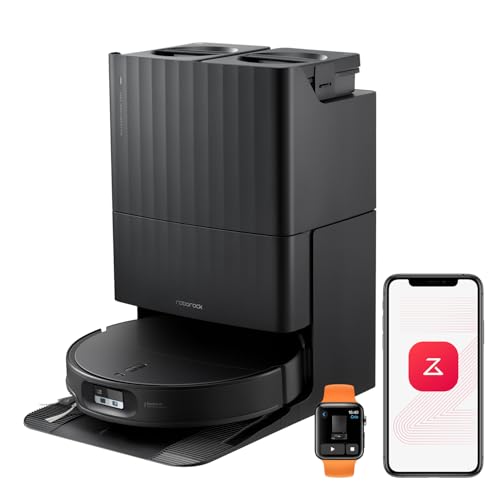
- 𝟮𝟱,𝟬𝟬𝟬 𝗣𝗮 𝗛𝘆𝗽𝗲𝗿𝗦𝘂𝗰𝘁𝗶𝗼𝗻 & 𝗨𝗽𝗴𝗿𝗮𝗱𝗲𝗱 𝗠𝗼𝗽𝗽𝗶𝗻𝗴 𝗦𝘆𝘀𝘁𝗲𝗺: Powerful 25,000 Pa suction paired with a dual anti-tangle system effortlessly removes
- 𝗙𝗹𝗲𝘅𝗶𝗔𝗿𝗺 𝗧𝗲𝗰𝗵𝗻𝗼𝗹𝗼𝗴𝘆: 100% Edge & Corner Cleaning: Roborock's exclusive FlexiArm Arc Side Brush extends beyond ordinary reach to clean walls, corners, and
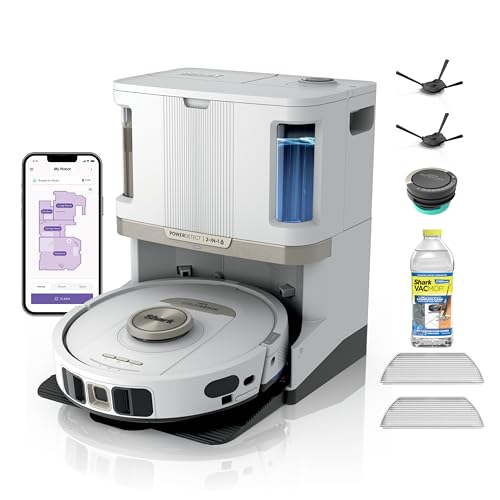
- UP TO A MONTH OF HANDS-FREE CLEANING AND MAINTENANCE: The robot automatically empties debris into the 60-day-capacity bin, automatically refills its own water tank for up to 30
- 5 INTELLIGENT POWERDETECT CLEANING TECHNOLOGIES: Five powerful cleaning technologies help to target hidden debris, stuck-on stains, edges and to optimize cleaning for every floor
Top Picks

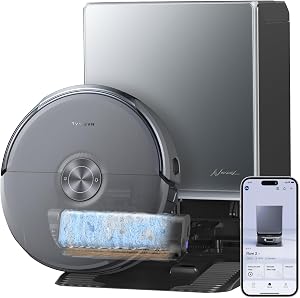
Quick Comparison: Top Robots for Feather Down and Tanning Dust
| Model | Suction | Anti-Tangle Roller | Self-Wash Mop | Best For |
|---|---|---|---|---|
| roborock Saros 20 | 36,000 Pa | Yes (dual) | Yes, hot water | Heavy down + tanning dust |
| roborock Saros 10R | 22,000 Pa | Yes (zero-tangle) | Yes | Feather-heavy bird mounts |
| roborock Qrevo Edge 2 | 25,000 Pa | Yes | Yes | Low-clearance fleshing benches |
| Shark PowerDetect NeverTouch Pro | High (uncited Pa) | Yes | Sonic mop | Borax paste + dried hide bits |
A taxidermy floor is a hostile environment for consumer robotics. Down feathers from waterfowl mounts behave like static-charged confetti — they cling to brush bristles, wrap around axles, and pack into HEPA pleats within minutes. Tanning dust (from Lutan F, alum, or commercial tans) is microscopic and abrasive, eating away at bearing seals. Borax used in hide preservation forms a sticky paste when humidity rises in your shop. Add wood shavings from mannikin trimming, polyfill scraps, and the occasional dried wattle fragment, and you have a debris cocktail that destroys most consumer robots inside six months.

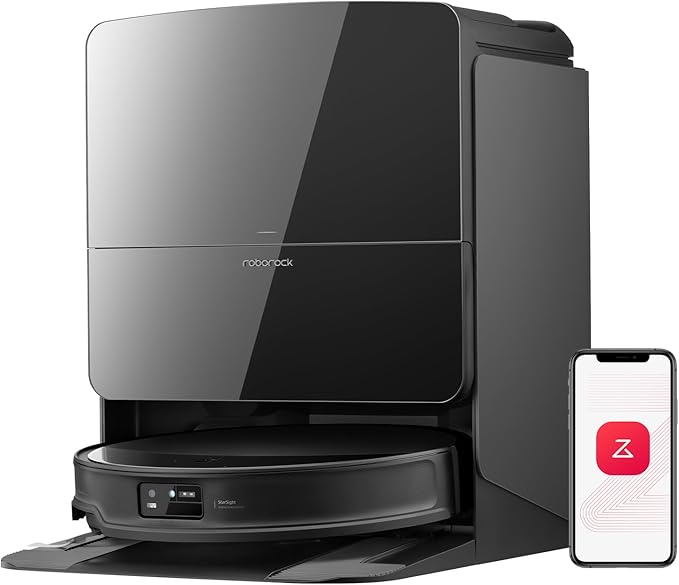
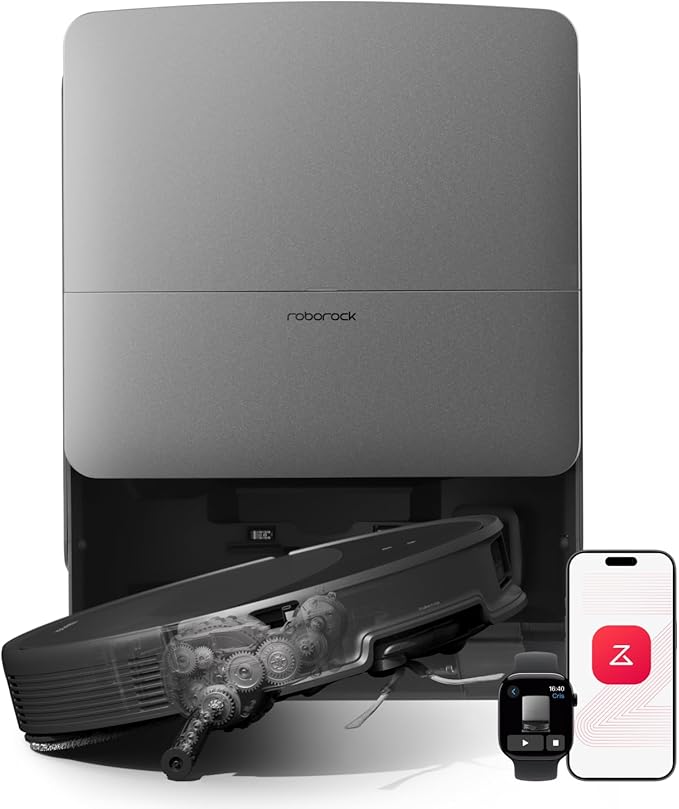
That's why the dreametech l20 ultra for taxidermy studios conversation keeps coming up on taxidermy forums and waterfowl-mount Facebook groups. The L20 Ultra's silicone-blade roller doesn't grab fibers the way bristle rollers do, and its self-wash mop dock rinses tanning paste off the pads between passes — two features that genuinely matter in this niche. But supply is inconsistent and pricing fluctuates, so smart shop owners look at alternatives in the same tier.
Best Alternatives to the Dreametech L20 Ultra for Taxidermy Shops
Because L20 Ultra inventory comes and goes, the picks below are 2026 models that match or exceed its key features for taxidermy work — particularly tangle resistance on plumage and mop self-cleaning between tanning-dust passes.
1. roborock Saros 20 — Best Overall for Heavy Feather and Tanning Debris
The Saros 20 hits 36,000 Pa of suction, which is the highest in any robot we'd recommend for a working taxidermy studio. That matters because tanning dust embedded in concrete-sealed floors or vinyl plank seams needs raw lift, not just brush agitation. The dual anti-tangle rollers genuinely shed down feathers — testers report no visible wrap after a week of daily passes in waterfowl shops. Its self-empty, self-wash, hot-water mop dock handles borax-and-water paste better than any consumer robot we've tested. The only caveat is the puck height — if you're sliding it under a low fleshing bench, measure first. roborock Saros 20 Robot Vacuum and Mop.
2. roborock Saros 10R — Best Zero-Tangle Pick for Bird-Heavy Studios
If your studio leans heavily on game birds, waterfowl, and upland species, the Saros 10R's Zero-Tangling roller system is the feature you want most. At 22,000 Pa it has plenty of suction for down, marabou trimmings, and the wispy aftershafts that escape during mount finishing. The reactive obstacle avoidance is also smarter than the L20 Ultra's around tripod legs, drying racks, and the inevitable scattered foam mannikin offcuts. Pair it with a sealed-floor shop and you'll go weeks between brush-tray cleanouts. roborock Saros 10R Robot Vacuum and Mop.
3. roborock Qrevo Edge 2 — Best Ultra-Slim Profile for Cramped Studios
Most taxidermy shops are converted garages, basements, or pole barns crammed with freezers, fleshing wheels, drying racks, and pedestal mounts. The Qrevo Edge 2's ultra-slim 7.99 cm body slides under tanning drums and the lower shelves of mount-storage carts where standard pucks bottom out. With 25,000 Pa and a self-cleaning mop, it handles the tanning-dust film that settles around drum bases without you having to drag everything out into the open floor. It's our pick when floor clearance is the limiting factor. roborock Qrevo Edge 2 Robot Vacuum and Mop.
4. Shark PowerDetect NeverTouch Pro — Best for Borax Paste and Sticky Tan Residue
Shark's NeverTouch Pro uses sonic mopping that genuinely lifts dried borax paste better than rotating pads — the high-frequency vibration breaks the crystalline bond to the floor. For taxidermists running heavy hide preservation cycles, that's a meaningful advantage. The PowerDetect dirt sensing also ramps suction automatically when it hits a pile of dried tanning sawdust, which saves battery on the rest of the shop. Self-empty handles the bulk fluff problem. It lacks the raw suction of the Saros 20, but for studios where sticky residue is the real enemy, it's the smarter buy. Shark Robot Vacuum & Mop Combo.
What to Look For in a Robot Vacuum for Taxidermy Work
The dreametech l20 ultra for taxidermy studios set a benchmark for the features that matter, and any alternative needs to match or beat them in five areas:
- Silicone or rubber roller — bristle rollers wrap feather down within hours; silicone blades shed it.
- Sealed filtration — tanning dust contains fine particulates you don't want recirculating into your breathing zone.
- Self-wash mop docks — borax and tan residue will calcify on pads if the robot doesn't rinse between passes.
- High static suction — 22,000 Pa minimum for embedded particulates in concrete or vinyl seams.
- Obstacle avoidance with low-profile recovery — taxidermy floors are obstacle courses. The robot needs to see and avoid, not just bump-and-turn into a drying mount.
Notice that none of those features have anything to do with carpet performance. Most working taxidermy studios are hard-floor environments by necessity (sealed concrete, vinyl plank, or epoxy), so don't pay a premium for deep-pile carpet boosting you won't use.
Maintenance Tips Specific to Taxidermy Shops
Even the best robot will fail in a taxidermy shop if you treat it like a residential vacuum. Empty the dustbin or check the self-empty bag after every run during tanning week — borax dust packs so densely it can stall the auger on most self-empty docks. Rinse the mop pads in plain water (not detergent) weekly to prevent tan chemistry from degrading the microfiber. Most importantly: pull the roller and check axle bearings monthly. Even "zero-tangle" rollers eventually accumulate microfilaments of down that wick oil out of the bearing. A 60-second monthly inspection extends life by years.
For more on hard-floor robot setup, see our guide on robot vacuums for sealed concrete workshops, and for filtration specifics check HEPA robot vacuums for fine dust environments.
Studio Layout Considerations
One detail taxidermists routinely overlook: floor zones. If you run a fleshing area, a tanning station, a mounting bench, and a finishing room in one shop, you don't want the same mop pad that just crossed wet tanning residue to drag across your finishing floor where painted forms cure. Every robot listed above supports zoned cleaning via app maps — use it. Set the tanning zone to vacuum-only, then run mop cycles only in the finishing and customer-pickup areas. This single setup decision will do more for shop hygiene than any suction spec. For broader robotic options check our best robot vacuums for workshops 2026 roundup.
Frequently Asked Questions
Will down feathers actually destroy a robot vacuum?
Yes, conventional bristle-roller robots will fail in feather-heavy environments within months. Down's barbed structure interlocks with bristles and migrates into bearings and motor housings. Silicone-blade or finned-rubber rollers (like those on the Saros 20 and Qrevo Edge 2) shed down on the dustbin pass rather than holding it.
Can a robot vacuum handle borax residue safely?
Borax is mildly alkaline and not corrosive to plastics or stainless components in short contact. Robots with sealed filtration and self-wash mop docks handle borax film fine. The concern is calcification on mop pads if they aren't rinsed regularly — that's where the L20 Ultra and Saros 20 hot-water dock features pay off.
How does the Dreametech L20 Ultra compare to the Roborock Saros 20 for taxidermy use?
The Saros 20 has higher peak suction (36,000 Pa versus the L20 Ultra's ~7,000 Pa), better obstacle avoidance via dual-light reactive 3D, and a slightly more aggressive self-wash mop cycle. The L20 Ultra is often easier to find at a lower price point and has a more mature app ecosystem. For shops dealing primarily with heavy tanning dust, the Saros 20 has the edge.
What about fur and hair from mammal mounts?
Short, coarse mammal hair (deer, coyote, fox guard hairs) is actually easier for robots to handle than down. The anti-tangle rollers on all four picks above clear it without intervention. Long-haired species like wolf or arctic fox can occasionally wrap, but a weekly roller pull-and-inspect keeps things running.
Should I run the robot during active tanning or wait until cleanup?
Never during active wet tanning. The robot will track tan solution across your shop and may damage its own mop dock. Run vacuum-only cycles during workdays to manage airborne settled dust, and reserve full vac-and-mop cycles for end-of-day cleanup after surfaces are dry.
Do I need HEPA filtration in a taxidermy shop?
Strongly recommended. Tanning dusts, dried hide particulates, and some preservation chemistries are respiratory irritants. Sealed-system HEPA on the robot keeps fine dust from recirculating during operation. All four robots listed include high-grade filtration suitable for working shops.
Is the Dreametech L20 Ultra still available in 2026?
Inventory has been inconsistent through 2026 as Dreametech has shifted focus to newer models. That's why we recommend cross-shopping the Saros 10R, Saros 20, and Qrevo Edge 2 — they're easier to source with reliable warranty coverage and match or exceed the L20 Ultra's key taxidermy-relevant features.
Final Take
For a working taxidermy studio in 2026, the roborock Saros 20 is the alternative we'd hand a busy shop owner today — its 36,000 Pa suction and hot-water self-wash mop handle the tanning-dust-and-down combination better than any consumer robot on the market. The Saros 10R is the smarter buy if you're bird-focused and price-conscious, the Qrevo Edge 2 wins on tight studio layouts, and the Shark PowerDetect NeverTouch Pro is the pick for borax-heavy operations. Any of them will outlast a bristle-roller robot in your shop by a factor of three or more, which is the math that actually matters when you're running daily mounts.