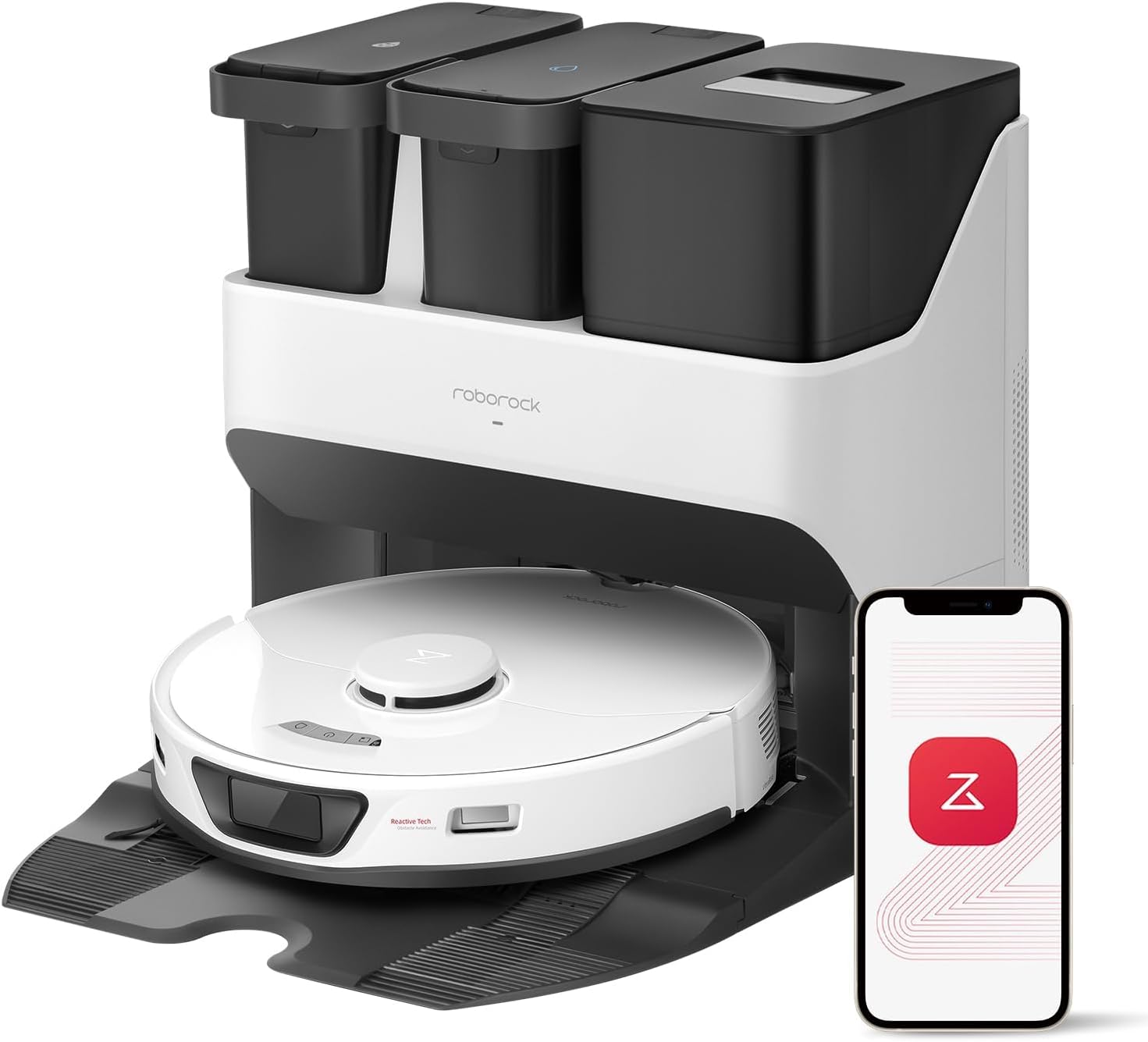
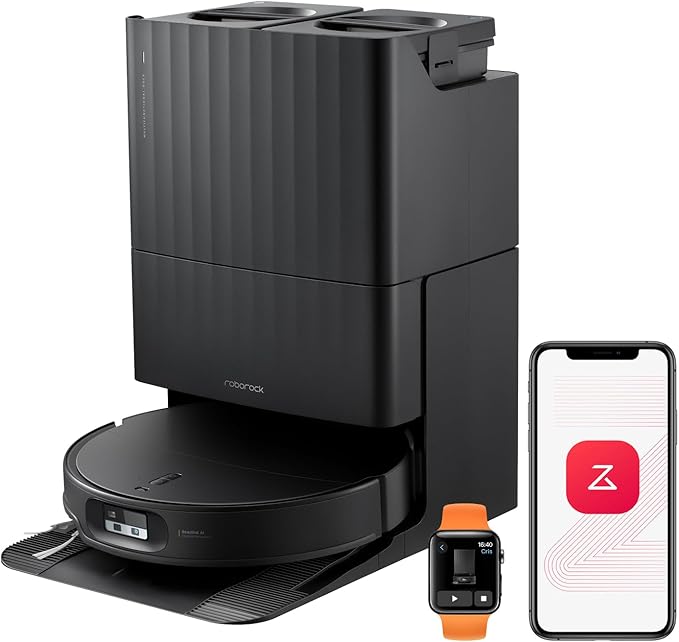
If you work a postal route with rotating start times, swing shifts, or weekend overtime, the roborock q revo for postal workers with irregular shift rotations earns its keep by cleaning while you sleep at noon, deliver in the evening, or recover from a 4 a.m. dispatch. The Q Revo line (and its 2026 successor, the Qrevo Edge 2) was built around set-and-forget autonomy: a self-emptying dock, self-washing mop pads, app-based scheduling that ignores the clock, and quiet enough operation to run while a shift worker sleeps in a back bedroom. For carriers juggling unpredictable rotations, that means the floor gets cleaned regardless of which version of "morning" you're living that week.
Why postal workers need a different robot vacuum logic
Most robot vacuum buying guides assume a 9-to-5 household with a predictable Saturday clean. That math falls apart for USPS carriers, mail handlers, and rural route drivers who rotate between early-bird shifts, peak-season twelve-hour days, and the occasional Sunday Amazon route. The dirt load is also different: uniforms shed lint, work boots track in road salt and parking-lot grit, and pet hair piles up because nobody is home to brush the dog.
When shopping for roborock q revo for postal workers, it pays to compare specs, capacity, and real-world runtime before committing.
A robot that needs frequent human babysitting — emptying bins, rinsing mop pads, restarting after an error — punishes irregular schedules. What postal workers actually need is a unit that:
- Empties itself for weeks at a time so a missed Saturday doesn't matter.
- Schedules by app, not by a wall clock, so you can trigger a clean from the truck.
- Maps multiple floors and zones so the uniform closet gets the lint, not just the living room.
- Runs quietly enough that your post-night-shift sleep isn't ruined.
- Handles thresholds, rugs, and shoe-pile chaos without a stuck-robot text mid-route.
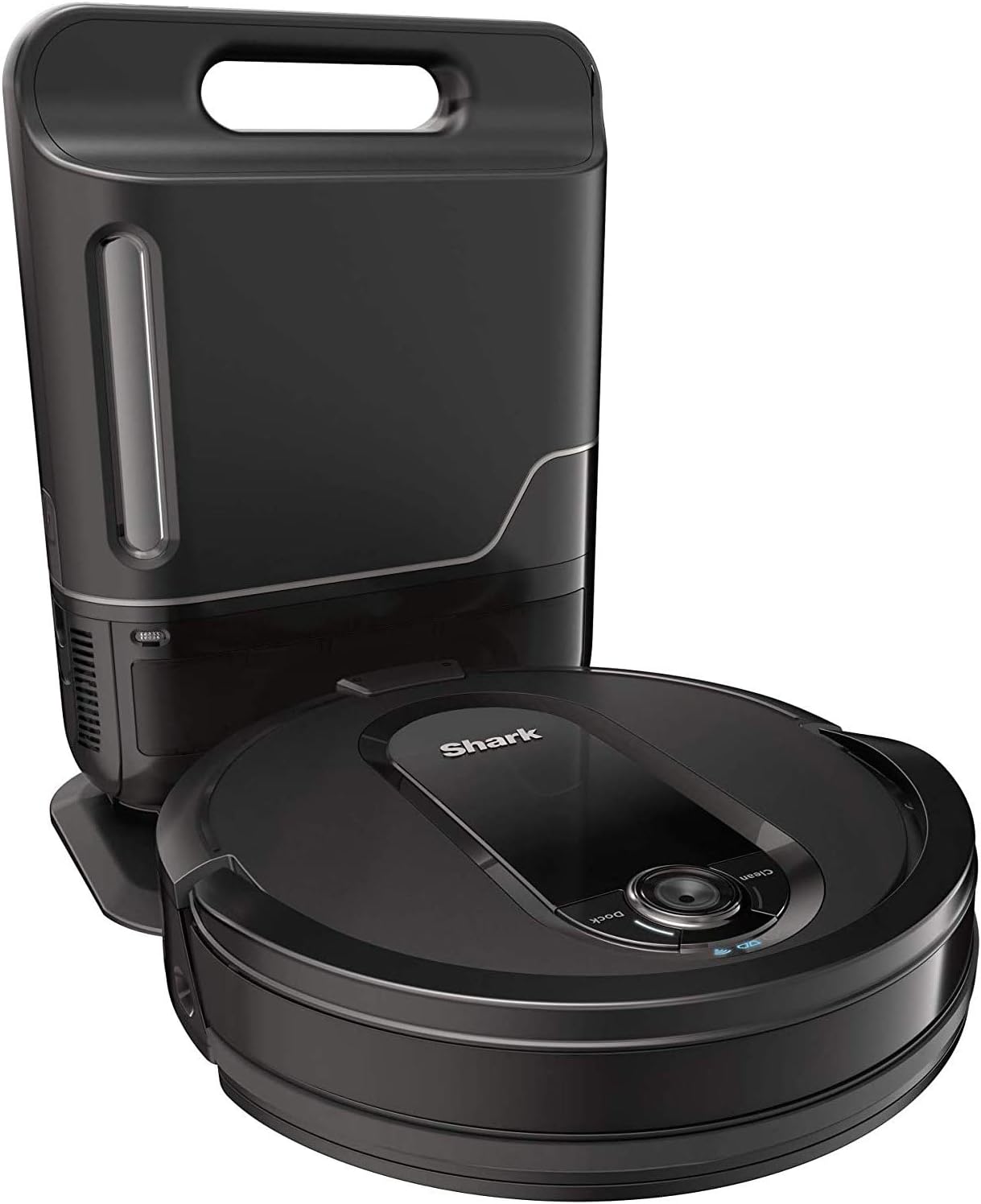
The case for the Roborock Q Revo (and its 2026 successor)
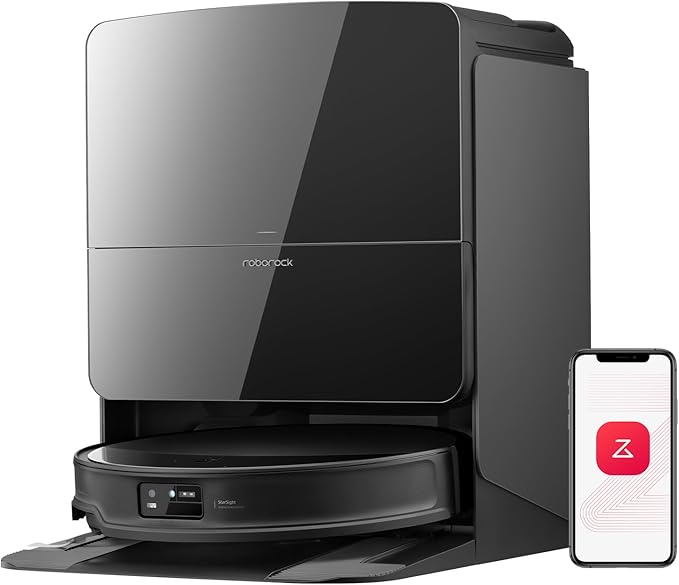
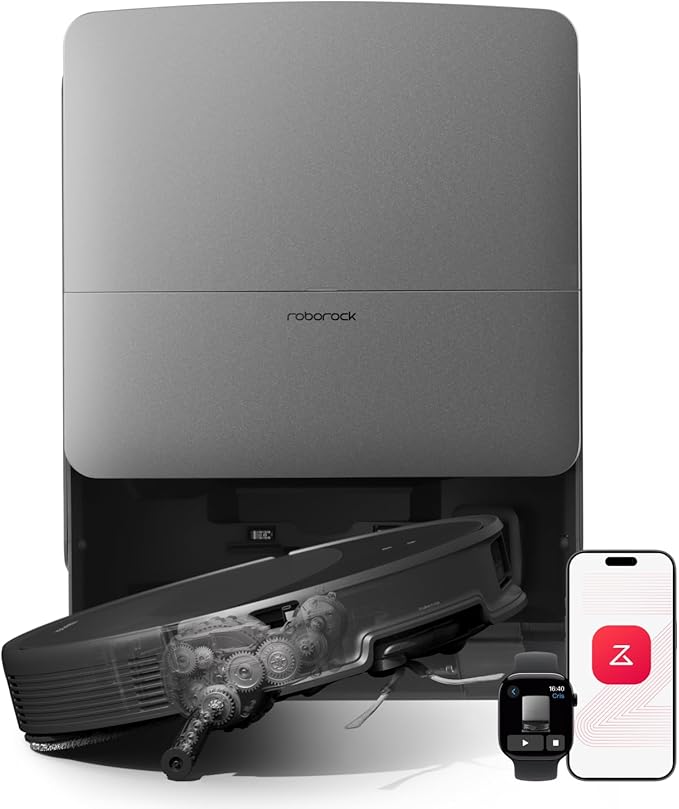
The original Roborock Q Revo became a favorite for shift workers because it bundled a self-emptying dock with self-washing mop pads at a price that didn't require a USPS pay-scale upgrade. In 2026, the line has evolved — the Qrevo Edge 2 is the direct descendant, and Roborock's premium Saros series sits above it for carriers who want maximum suction and obstacle avoidance for chaotic entryways. Below are the picks that actually map to a postal worker's reality.
| Model | Suction | Self-empty dock | Mop wash | Best for |
|---|---|---|---|---|
| Roborock Qrevo Edge 2 | 25,000 Pa | Yes | Hot water + auto-dry | Direct Q Revo upgrade for rotating shifts |
| Roborock Saros 10R | 22,000 Pa | Yes | Yes, zero-tangling brush | Carriers with long hair / pet shedding |
| Roborock Saros 20 | 36,000 Pa | Yes | Yes | Heavy grit, mudroom-style entries |
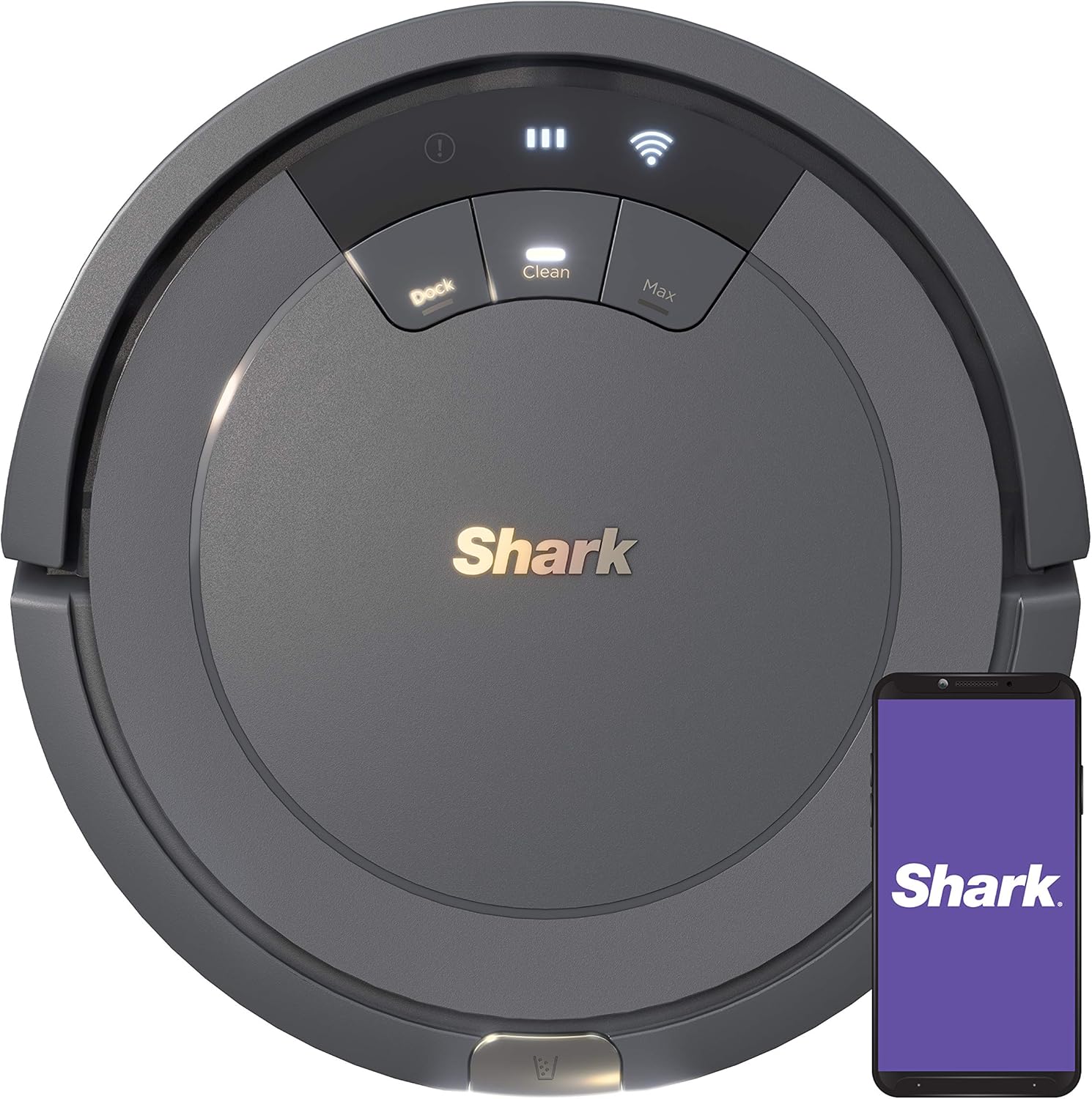
| Shark PowerDetect NeverTouch Pro | High (Shark-rated) | Yes | Yes | Budget-conscious carriers |
| Shark Matrix Plus 2-in-1 | Moderate | Optional | Sonic mopping | Smaller apartments and studios |
Roborock Qrevo Edge 2 — the direct Q Revo upgrade
The Qrevo Edge 2 is the model most postal workers will land on when they search for the roborock q revo for postal workers in 2026. It keeps the original Q Revo's self-emptying dock and self-washing mop logic but adds 25,000 Pa suction, an ultra-slim chassis that slides under uniform racks and shoe benches, and a multi-zone scheduler that handles rotating wake-up times far better than the original. Set one schedule for early shift weeks, one for swing weeks, and let the app rotate them — the robot doesn't care that your Monday starts at 3 a.m. and your Tuesday starts at 1 p.m. Check the Qrevo Edge 2 on Amazon.
Roborock Saros 10R — for carriers fighting hair and lint
If your uniform sheds lint, you have a shedding dog waiting for you at 9 p.m., or your spouse has long hair, the Saros 10R's zero-tangling brush is the upgrade that matters more than raw suction numbers. A robot that needs you to cut hair off a brush roll every two weeks is the wrong robot for someone who barely remembers which day of the week it is. The 22,000 Pa suction handles boot grit, and the dock-based maintenance interval pushes well past a typical rotation cycle. See the Saros 10R on Amazon.
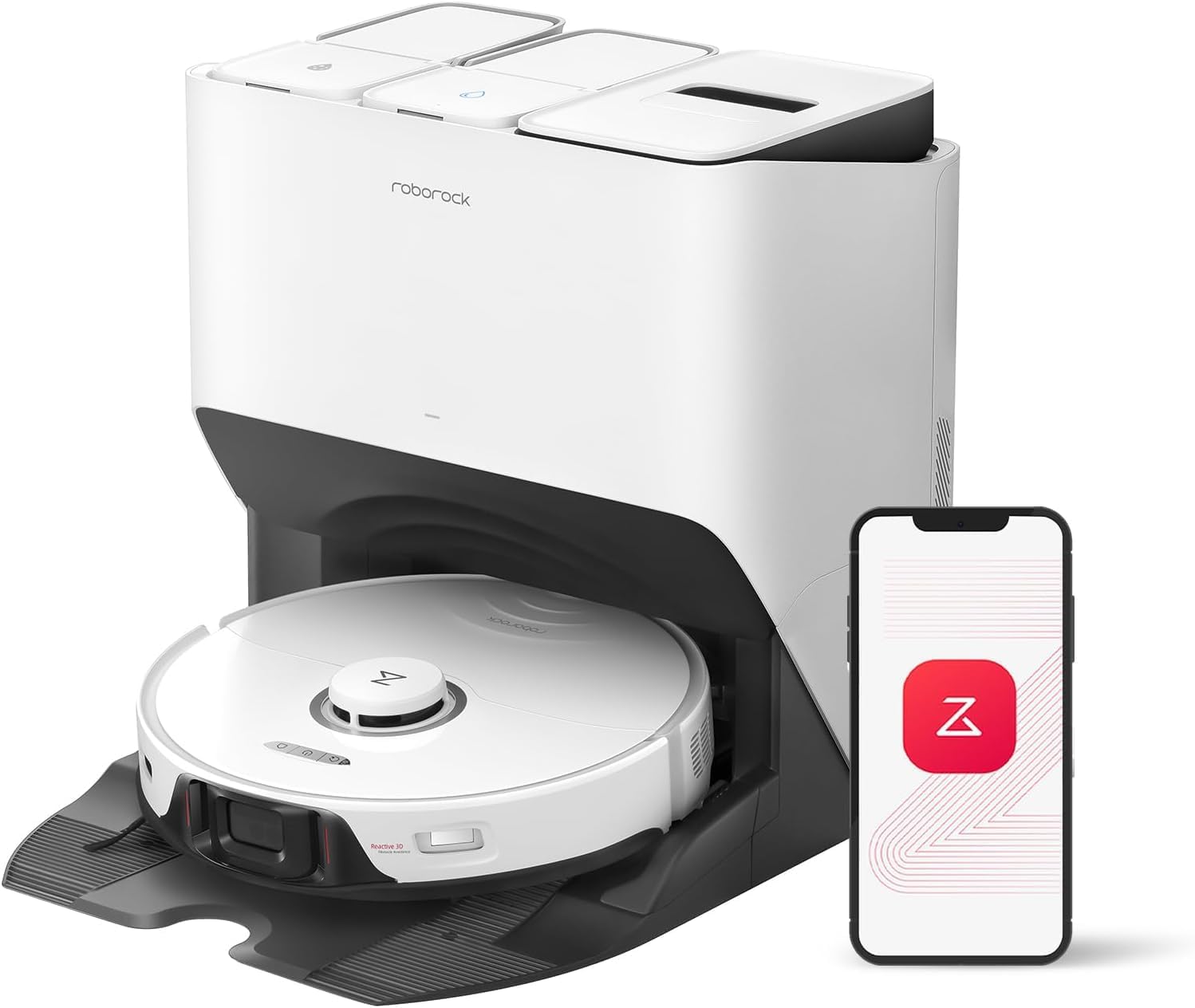
Roborock Saros 20 — for the carrier with a serious entryway problem
For rural carriers who track in mud, road salt, and the occasional gravel pebble, the Saros 20's 36,000 Pa suction is overkill in the best possible way. It's the pick when the front door opens directly into the living room and you can't realistically leave boots in a mudroom because there isn't one. Pair it with a corner-zone schedule that hammers the entryway twice daily and the rest of the house once. View the Saros 20 on Amazon.
Shark PowerDetect NeverTouch Pro — budget-friendly self-empty
Not every postal worker wants to spend Saros money, especially during off-peak months. The Shark PowerDetect NeverTouch Pro hits the core requirement — self-emptying dock plus mop combo — at a friendlier price, and Shark's PowerDetect logic actually does a respectable job recognizing high-traffic zones like the entry hall. It's the practical pick when you want the rotating-shift autonomy without the flagship invoice. Check the Shark PowerDetect on Amazon.
Shark Matrix Plus 2-in-1 — apartments and tight quarters
City carriers in small apartments or shared housing don't need a 36,000 Pa monster — they need something that maps a 600-square-foot footprint and stays out of the way. The Matrix Plus 2-in-1's sonic mopping is genuinely useful on small tile kitchens, and its smaller dock footprint matters when your living room is also your dining room. See the Shark Matrix Plus on Amazon.
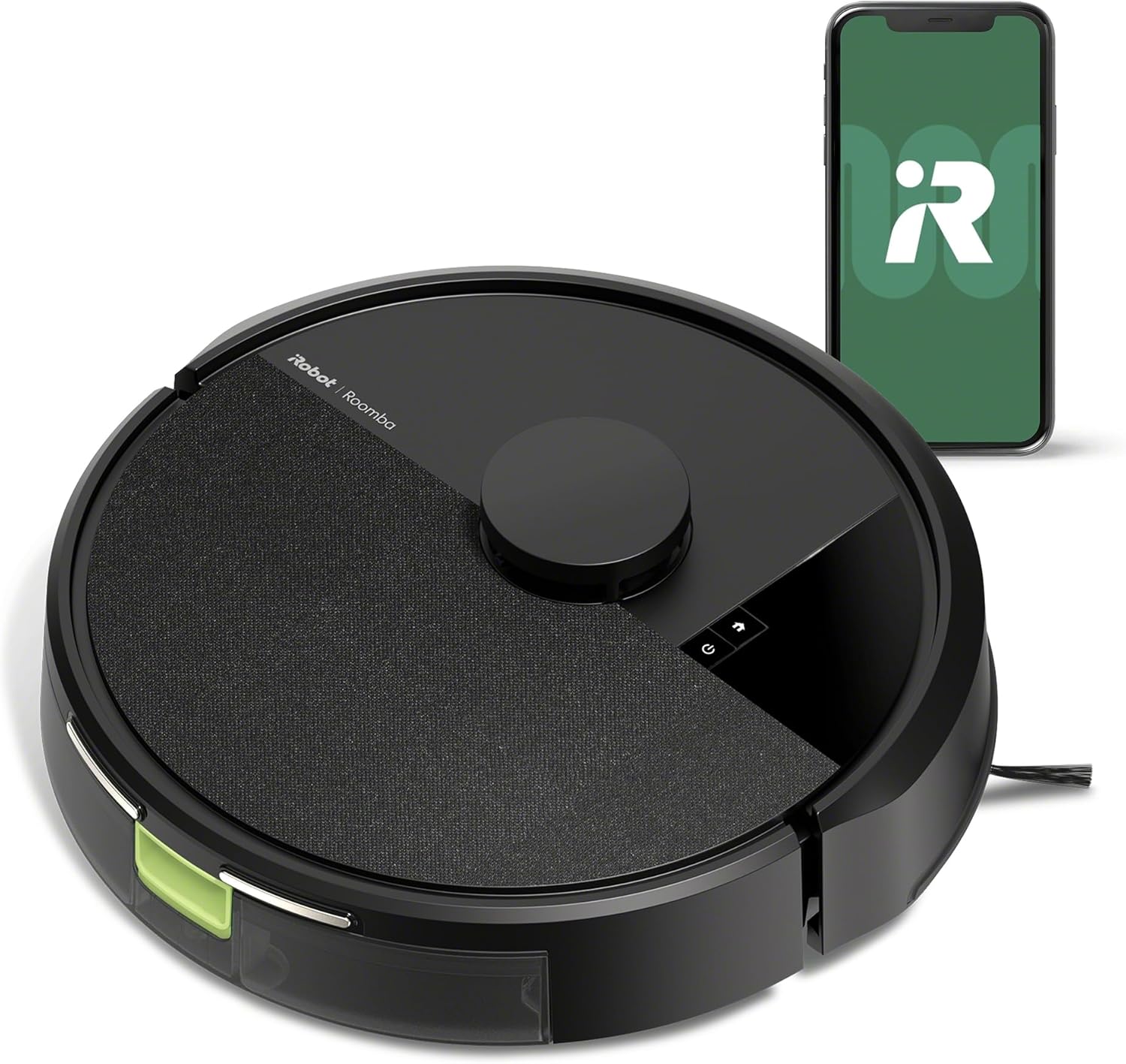
How to schedule a robot vacuum around a rotating postal shift
The Roborock app (and to a lesser extent the SharkClean app) supports multiple named schedules. The trick for irregular rotations is to stop thinking in terms of "every Tuesday at 10 a.m." and start thinking in terms of triggers:
- Geofence-based start: When your phone leaves home (you've left for the route), the robot starts. Works for carriers who actually leave from home rather than the post office.
- Voice trigger from the truck: A quick Alexa or Google Assistant command from the LLV before you start your route kicks off a clean that finishes before you're back.
- Quiet-hours schedule: Set the robot to never run between, say, 11 p.m. and 7 a.m. Then layer scheduled cleans on top — the quiet-hours rule overrides them, so an off-shift nap isn't interrupted.
- Dock-on-return: If you forgot to start it, hit the widget on your phone during break. By the time you're home, the floor's done and the dock has self-emptied.
What about peak season?
From mid-November through early January, postal workers' schedules collapse into 10-12 hour days, often six days a week. This is precisely when a robot vacuum either earns or loses its place in the household. The self-emptying dock has to hold weeks of debris (most Roborock docks last 7+ weeks between empties), and the mop reservoir has to refill and drain automatically — Edge 2 and Saros models do this; older bare-bones robots don't. If you're shopping specifically for peak-season survival, prioritize dock capacity and auto-refill over raw suction.
For more on shift-worker-friendly cleaning gear, see our guides on robot vacuums for night shift workers, quiet robot vacuums for daytime sleepers, and robot vacuums for mudrooms and entryways.
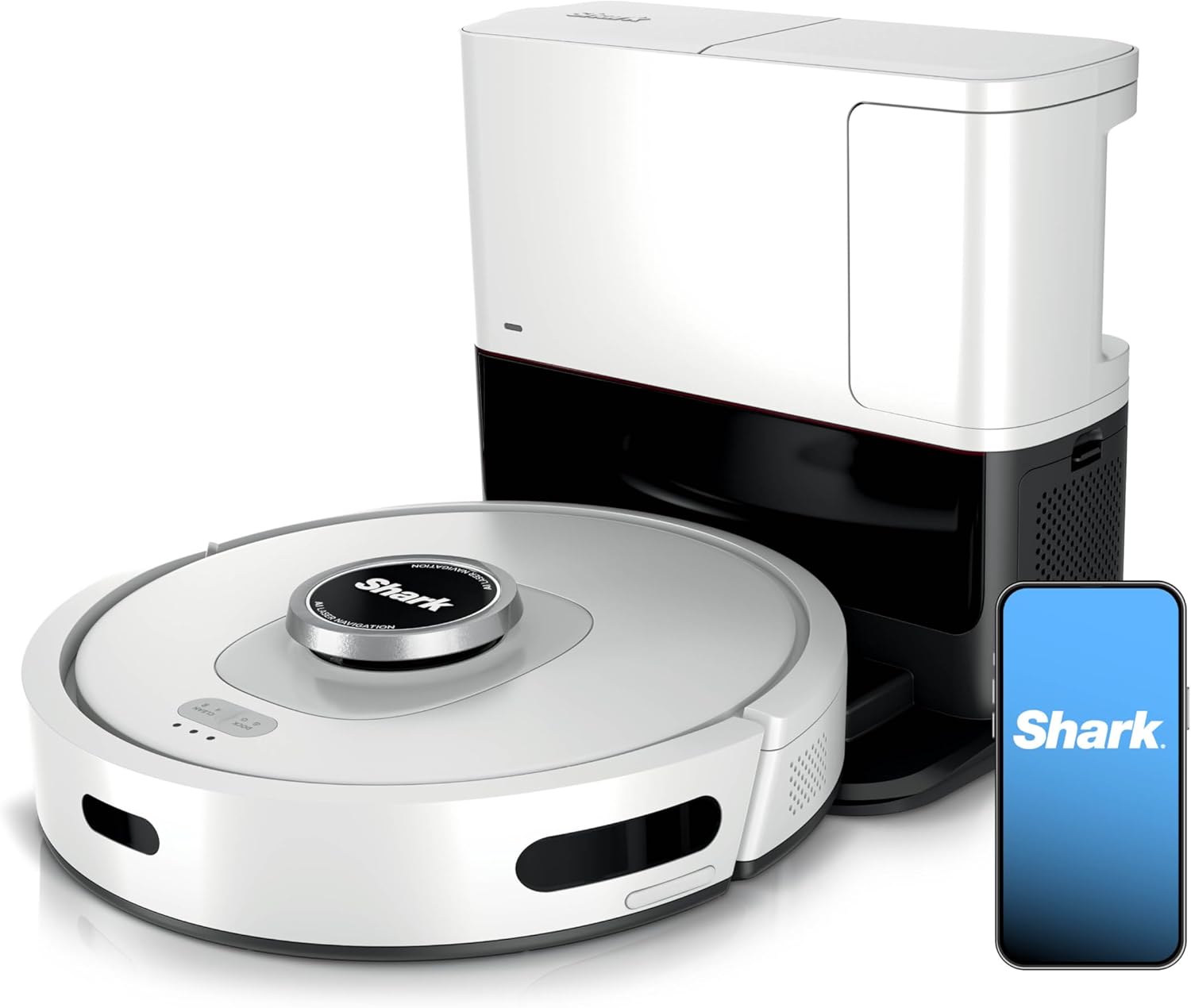
Noise: the underrated spec for shift workers
A robot vacuum that wakes you up after a midnight tour defeats the entire purpose. The Qrevo Edge 2 and Saros models offer a quiet mode that drops decibel output substantially — usable in the next room while you sleep, though not silent. Pair quiet mode with a zone schedule that avoids the bedroom hallway during your typical sleep windows, and you'll get a clean floor without sacrificing rest.
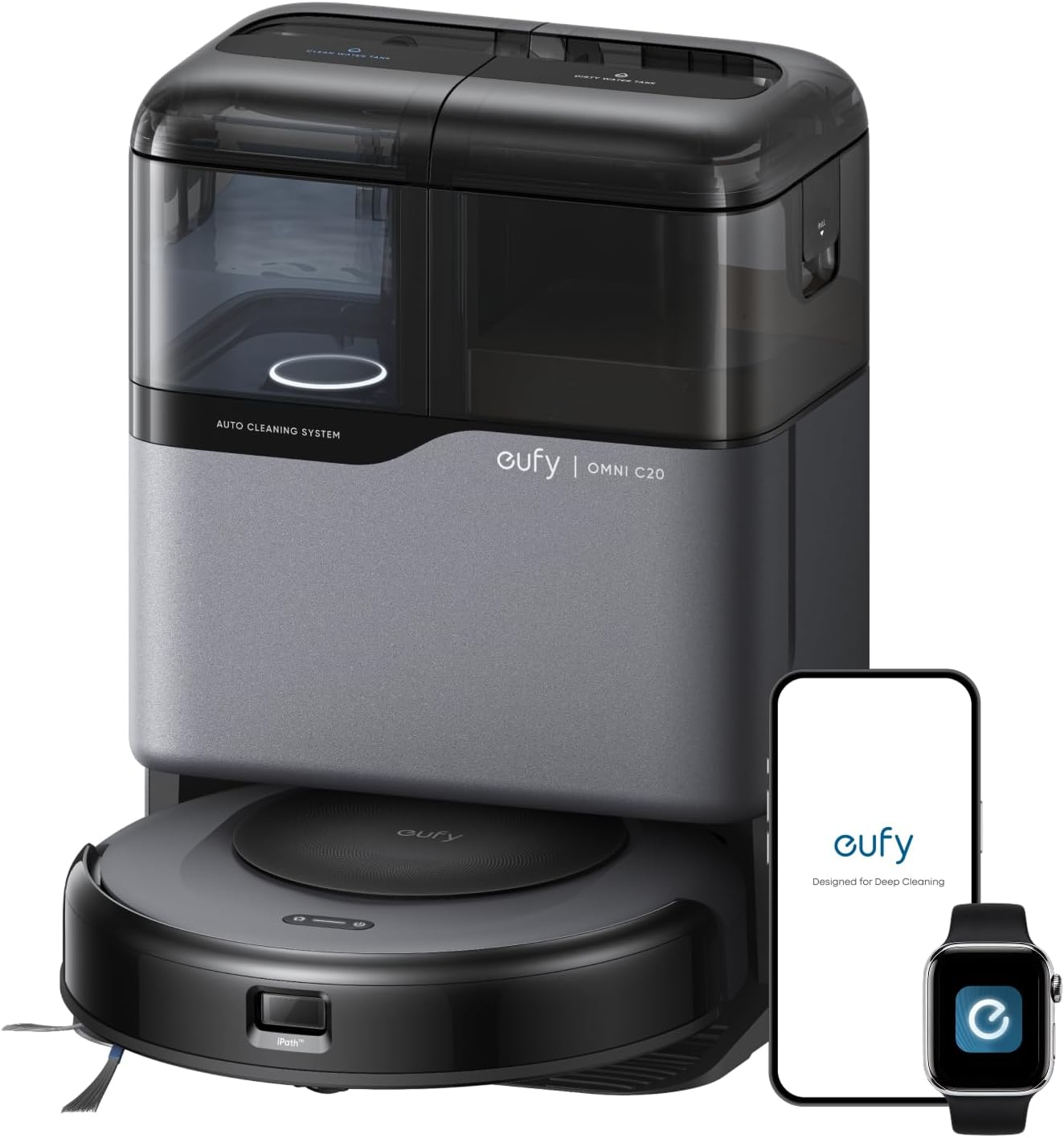
Maintenance reality check
Even the best self-emptying robot needs occasional human attention. Expect to:
- Empty the dock bag every 6-8 weeks (longer if you don't have pets).
- Refill the clean-water tank every 1-2 weeks of regular mopping.
- Rinse the dirty-water tank weekly — this is the one task you can't fully automate.
- Wipe the sensors every month or two.
For a rotating-shift carrier, the sweet spot is to anchor these tasks to payday rather than a calendar day. Payday hits every two weeks regardless of your shift rotation, so it's the only reliable recurring marker most postal workers actually notice.
Frequently Asked Questions
Is the Roborock Q Revo still available in 2026, or has it been replaced?
The original Q Revo has largely been succeeded by the Qrevo Edge 2 in Roborock's 2026 lineup. The Edge 2 keeps the Q Revo's core appeal — self-empty dock, self-wash mop, mid-tier pricing — while upgrading suction to 25,000 Pa and adding a slimmer chassis. If you find a remaining original Q Revo at a steep discount, it's still a legitimate buy for a shift worker; otherwise the Edge 2 is the direct replacement.
Can a robot vacuum run while I'm sleeping after a night shift?
Yes, but pick one with a dedicated quiet mode and use zone scheduling to keep it out of the room you're sleeping in. The Qrevo Edge 2 and Saros 10R both have quiet modes around 55-60 dB — equivalent to a soft conversation through a closed door. Run it in the kitchen and living room while you sleep in the back bedroom, and you'll likely never notice.
How do I schedule a Roborock when my shift starts change every week?
Use the Roborock app's multiple-schedule feature to create one schedule per rotation pattern (early week, late week, weekend overtime) and toggle which one is active each Sunday night. Alternatively, skip fixed schedules entirely and use the geofence trigger so the robot starts whenever you leave the house, regardless of clock time.
What about my uniform lint and pet hair — will the brush tangle?
The Roborock Saros 10R is specifically designed around a zero-tangling brush, which is the right pick if uniform lint plus a shedding pet is your daily reality. The Qrevo Edge 2 is also tangle-resistant but not quite at the Saros's level. If you have long-haired humans plus a dog, spring for the 10R.
Will it handle the road salt and grit I track in during winter?
For light salt and grit, the Qrevo Edge 2 is sufficient. For heavy mud, gravel, and persistent winter slop — common for rural carriers — the Saros 20's 36,000 Pa suction is the better pick. Either way, set a high-traffic zone schedule for your entryway that runs twice daily during winter.
Can I start the robot from my postal truck?
Yes. The Roborock app works over cellular data, so as long as your phone has a signal and the robot has Wi-Fi at home, you can start a clean from the LLV, the loading dock, or the gas station. Voice commands through Alexa or Google Assistant on your phone work too.
What happens during a 12-hour peak-season shift if the robot gets stuck?
Modern Roborock and Shark units with reactive obstacle avoidance rarely get stuck on flat floors. If it does — typically a stray charging cable or a sock — the app sends a notification. Most units will attempt to free themselves, then return to the dock if they can't, so the worst case is a partial clean rather than a dead robot in the middle of the floor when you get home at 9 p.m.
Is a self-emptying dock worth the extra cost for a postal worker?
For an irregular-shift carrier, yes — emphatically. The dock is the single feature that lets you forget the robot exists for weeks at a time, which is the entire point of buying one when your schedule is unpredictable. Skip the dock and you'll be emptying a small onboard bin every two days, which defeats the autonomy you paid for.
Key Takeaways
- Choosing the right roborock q revo for postal workers means matching capacity and output ports to your actual devices
- Always check actual watt-hours (Wh), not just watts — runtime depends on Wh, not peak output
- Also covers: robot vacuum for shift workers irregular schedules
- Also covers: q revo scheduling for usps employees
- Also covers: best robot vacuum for mail carriers
- Compare price-per-Wh across models to find the best value for your budget