For quilters who deal with a constant snow of thread snippets, batting fluff, and fabric lint, the roborock s7 max ultra for quilting room cleanups is one of the few robots that genuinely keeps up. Its all-rubber main brush resists thread wrap, the auto-empty dock swallows dense cotton lint without clogging, and the sonic mop polishes hardwood after a long piecing session. If you sew on hardwood, vinyl plank, or low-pile area rugs and want to stop dragging a stick vac out twice a day, this 2026 setup — plus a few stronger alternatives — deserves a serious look before you buy.
Why a quilting room needs a different robot vacuum
A quilting studio is not a normal room. Every thirty minutes of cutting, piecing, or free-motion quilting produces a fine confetti of cotton, polyester, and bamboo-blend threads, plus the airy fluff that escapes whenever you trim batting. Standard bristle brushes treat that debris like fishing line and wind it tighter with every rotation. Within a week the brush bearings seize, the side brush turns into a tassel, and the robot starts dragging instead of cleaning. You end up with a $700 paperweight and a pair of scissors permanently parked next to the charging dock.
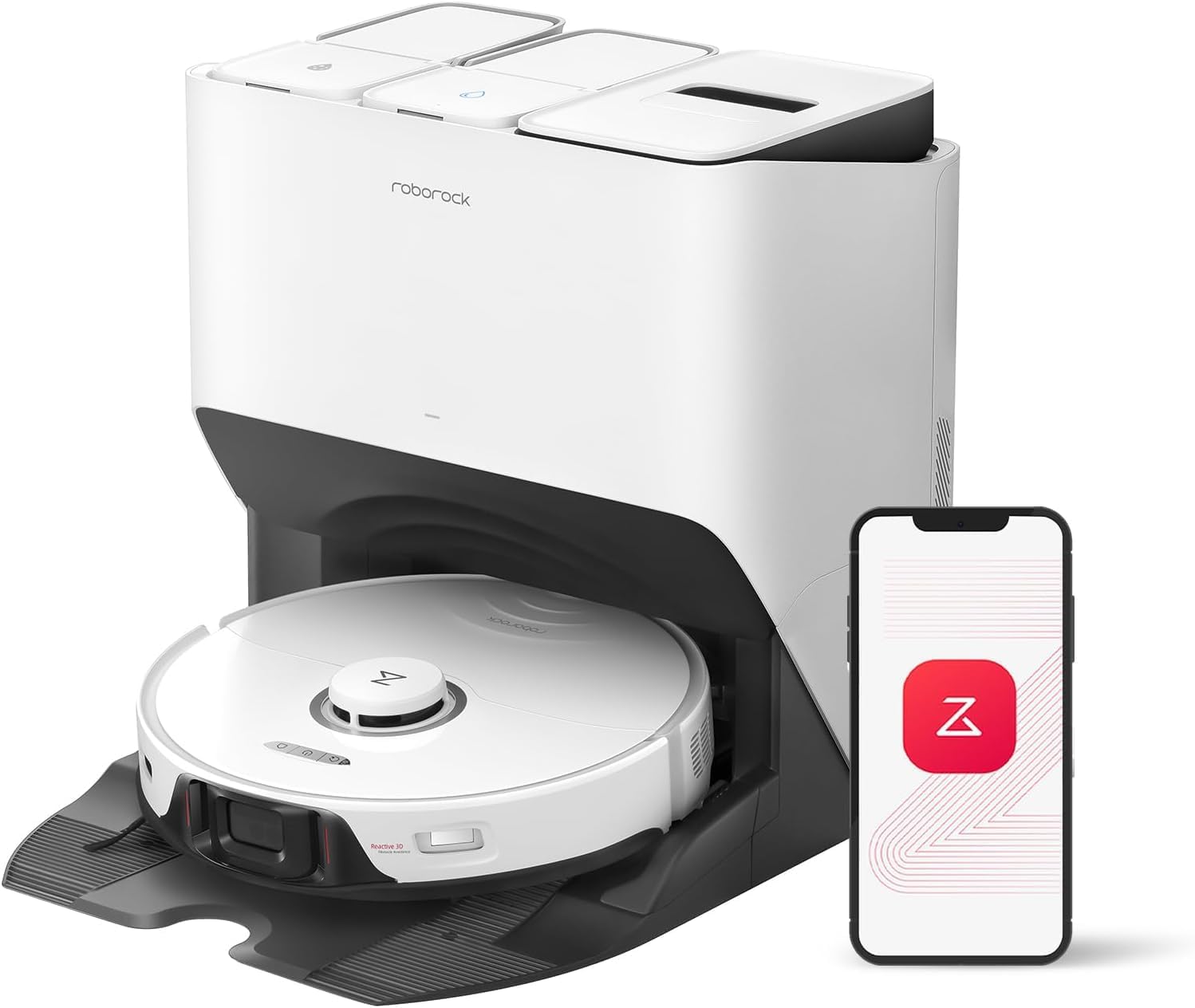
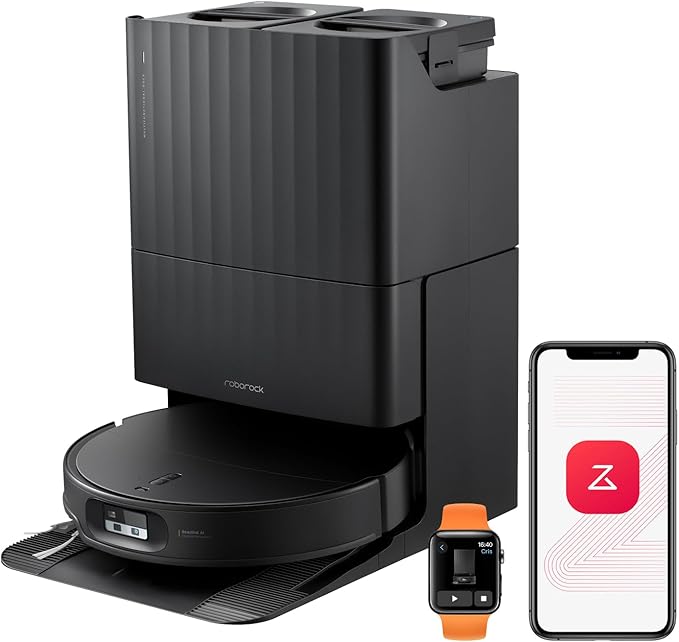
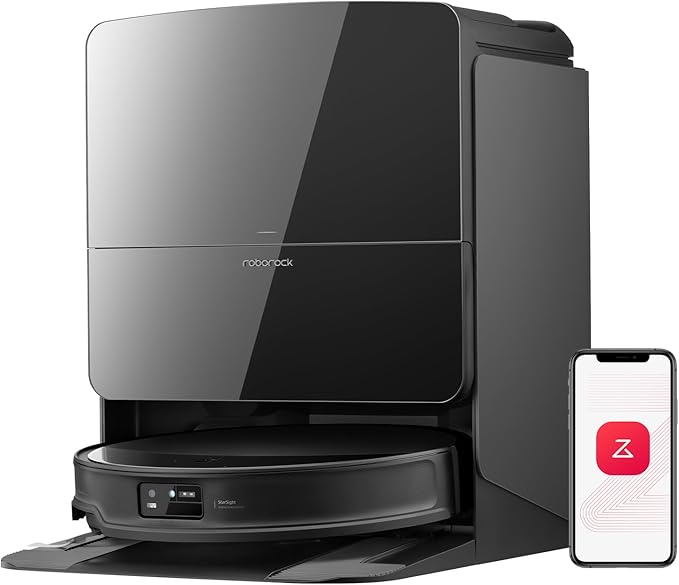
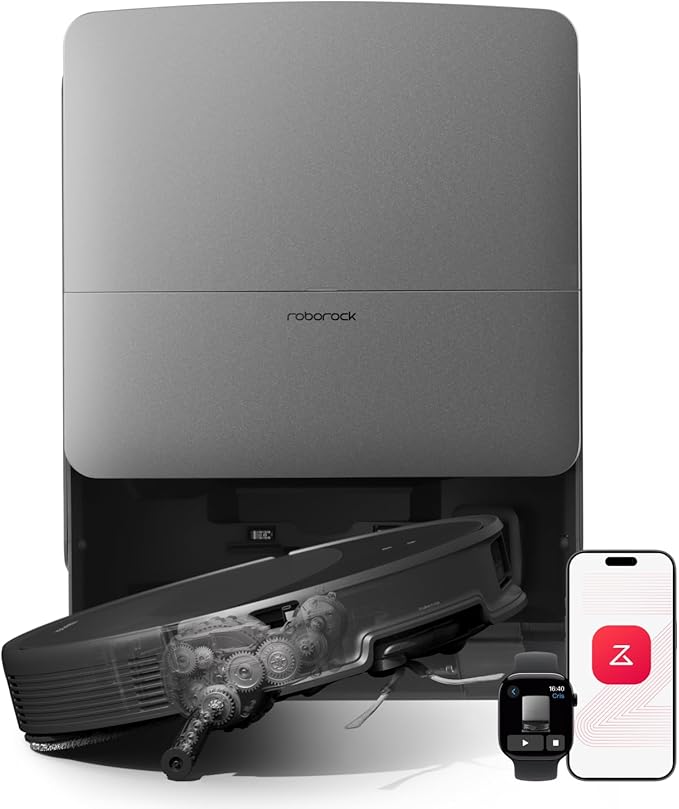
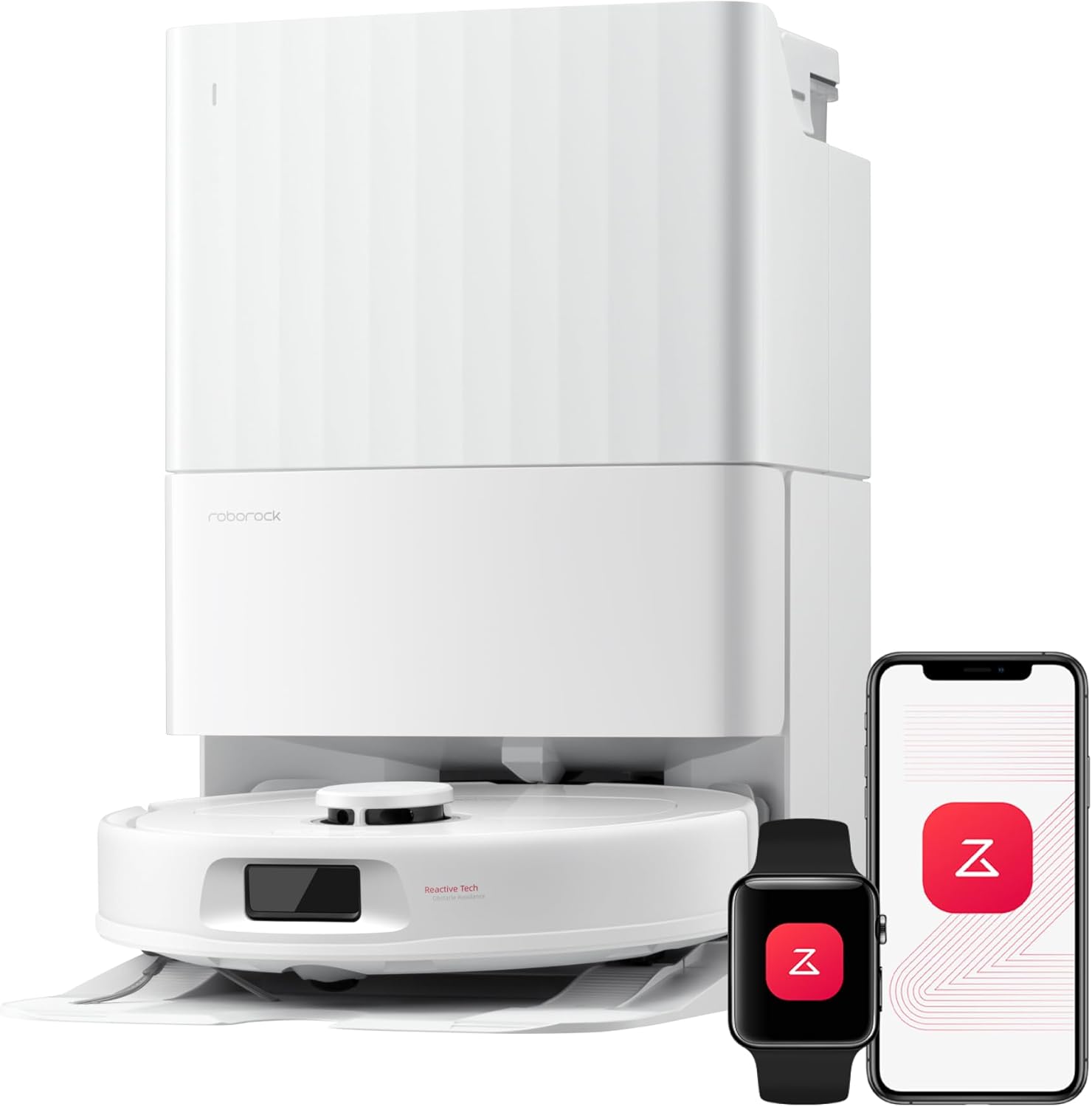
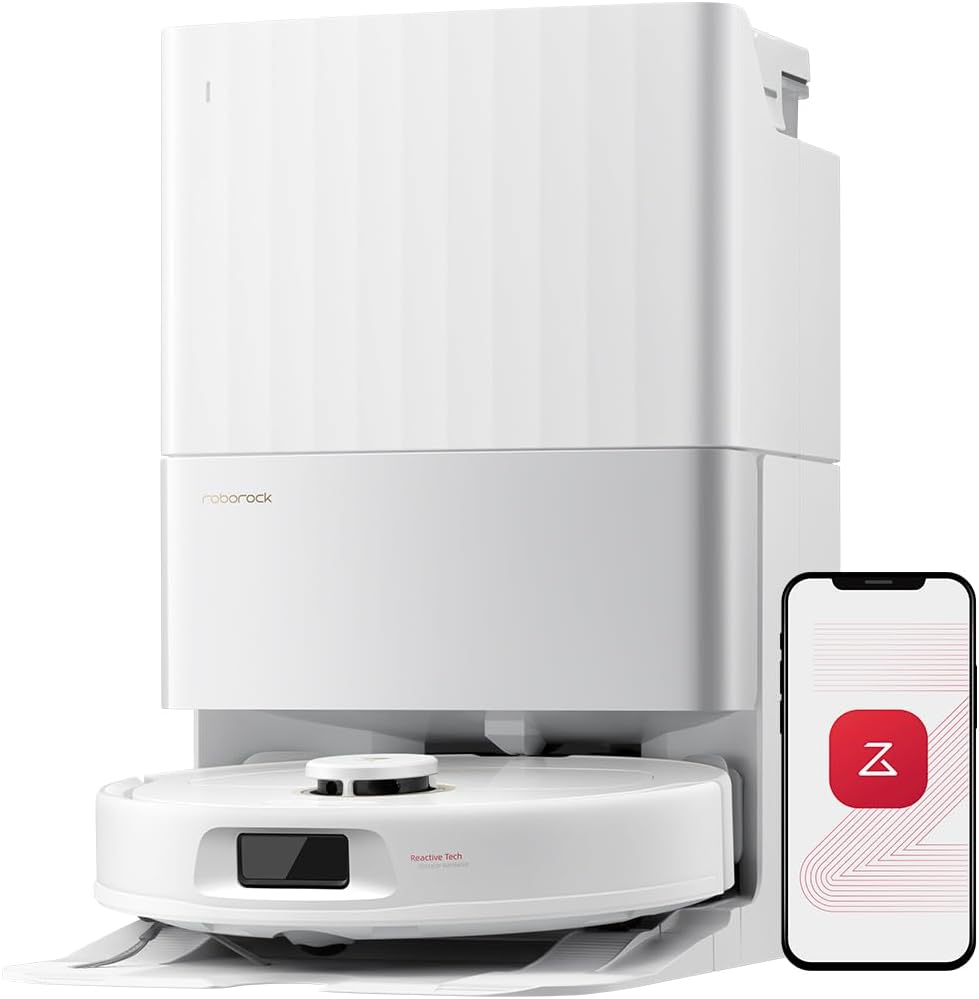
The Roborock S7 Max Ultra solves this with an all-rubber, multi-directional floating brush. Threads slide off rather than spiral around the axle. Pair that with VibraRise sonic mopping at 3,000 vibrations per minute and an auto-empty, auto-wash, auto-refill dock, and the robot can run twice daily without you ever opening it. For a dedicated quilting room with hardwood floors and a small cutting-table area rug, that workflow is exactly what you want — no daily brush surgery, no scissor de-tangling sessions.
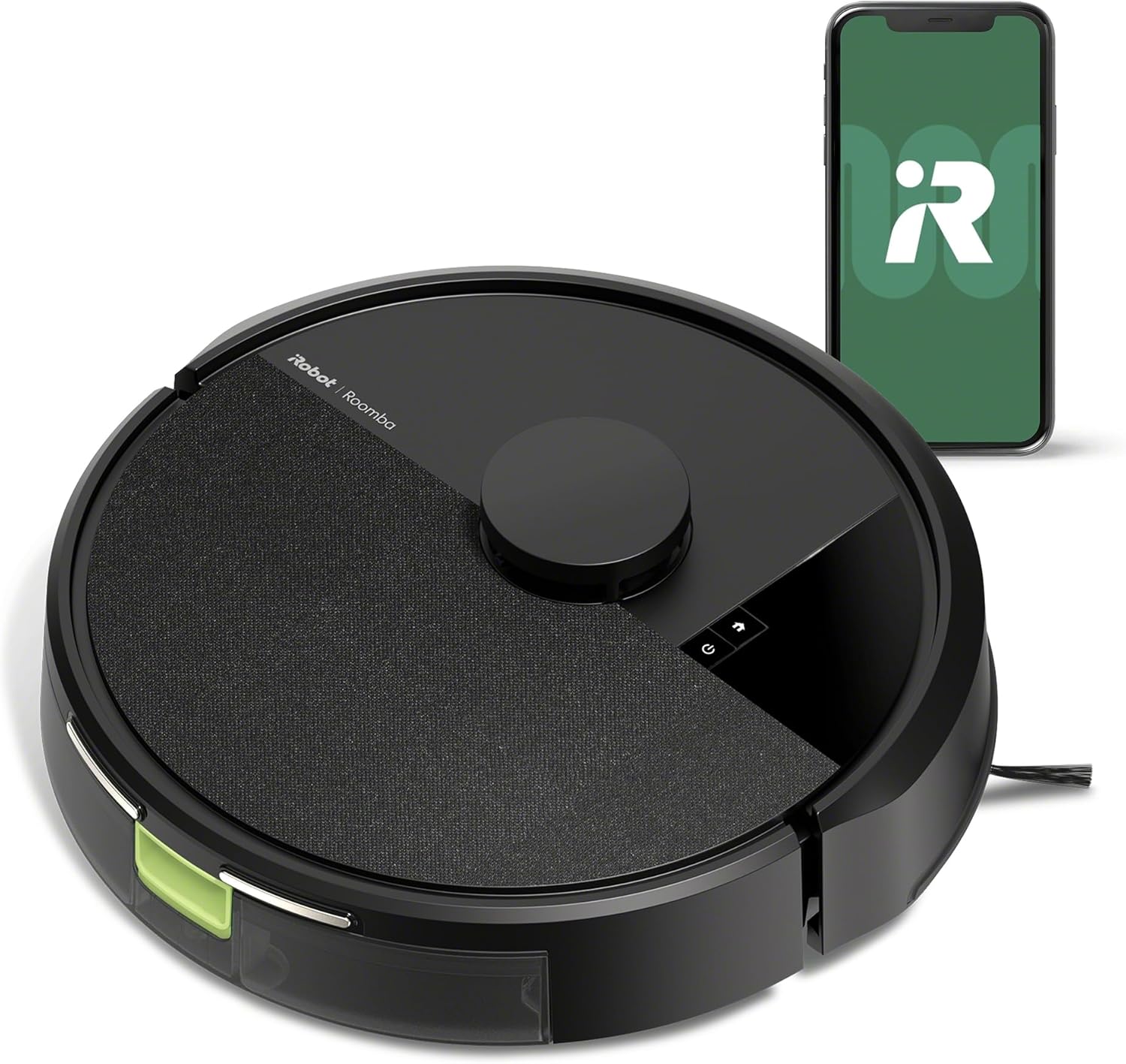
Quick comparison: best robots for thread, lint, and batting fluff in 2026
| Model | Suction | Anti-tangle system | Mop type | Best for |
|---|---|---|---|---|
| Roborock S7 Max Ultra | 5,500 Pa | All-rubber main brush | VibraRise sonic | Dedicated quilting rooms |
| Roborock Saros 10R | 22,000 Pa | Zero-tangling dual brush | Spinning pads | Whole-home + heavy thread |
| Roborock Saros 20 | 36,000 Pa | Dual anti-tangle + DuoDivide | Extending mop arm | Large studios, batting piles |
| Roborock Qrevo Edge 2 | 25,000 Pa | DuoDivide split brush | Edge-extend mop | Under sewing tables (ultra-slim) |
| Shark PowerDetect NeverTouch Pro | ~8,000 Pa | Self-cleaning brushroll | Sonic mop pad | Budget studios with mixed flooring |
How the Roborock S7 Max Ultra performs in a real quilting room
Run the S7 Max Ultra under your cutting table after a half-day of strip piecing and the bin comes back stuffed with red, blue, and beige cotton fibers — not wrapped around the roller, but loose inside the dustbin where it belongs. The reactive 3D obstacle avoidance is conservative enough that it won't shove your sewing-machine pedal or a stray rotary cutter, but assertive enough to nose into the kickspace under a wall-mounted ironing board. The 5,500 Pa suction sounds modest next to newer 22,000–36,000 Pa flagships, but for low-density cotton thread it's more than adequate. Lint is light; it doesn't need a jet engine, it needs a brush that won't grab it.
The sonic mop is the second hidden benefit for quilters. After pressing seams all morning, hardwood floors collect a thin film of starch overspray and steam residue. The vibrating mop pad scrubs that off without leaving streaks, and the dock rinses the pad with hot water so you're not running a dirty mop over your studio the next day.
Best whole-home alternative: Roborock Saros 10R
If your quilting room is part of an open-plan home and you want one robot to handle the studio plus pet hair, kitchen crumbs, and bathroom dust, the Saros 10R is the upgrade pick. Its zero-tangling dual-brush system was engineered specifically for long fibers — human hair, pet hair, and yes, quilting thread. The 22,000 Pa suction lifts batting fluff out of low-pile rugs that the S7 Max Ultra would skim over, and the spinning mop pads handle larger hard-floor areas without dragging. The dock self-empties, self-washes, and self-refills, so a once-a-week filter check is the only maintenance.
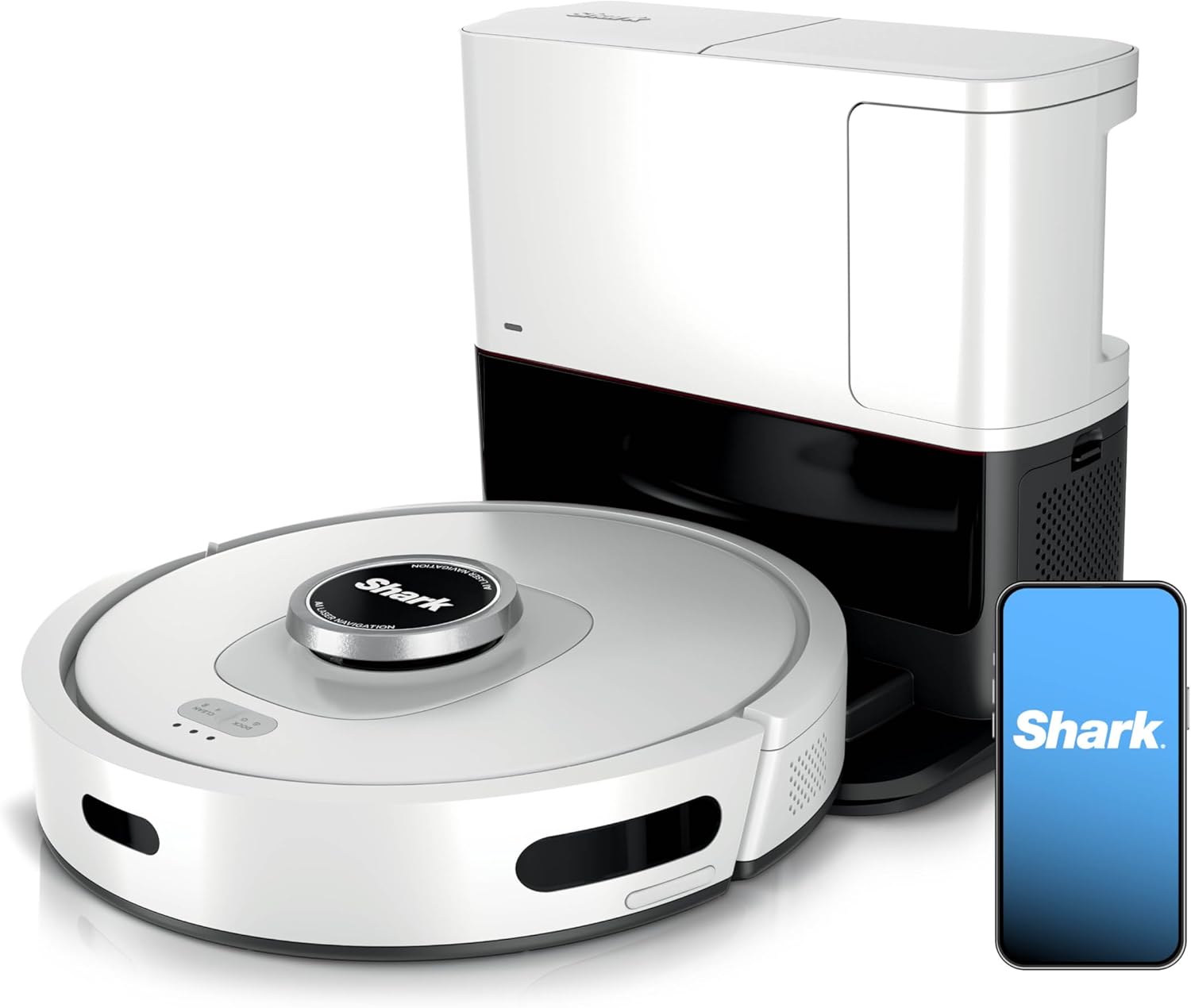
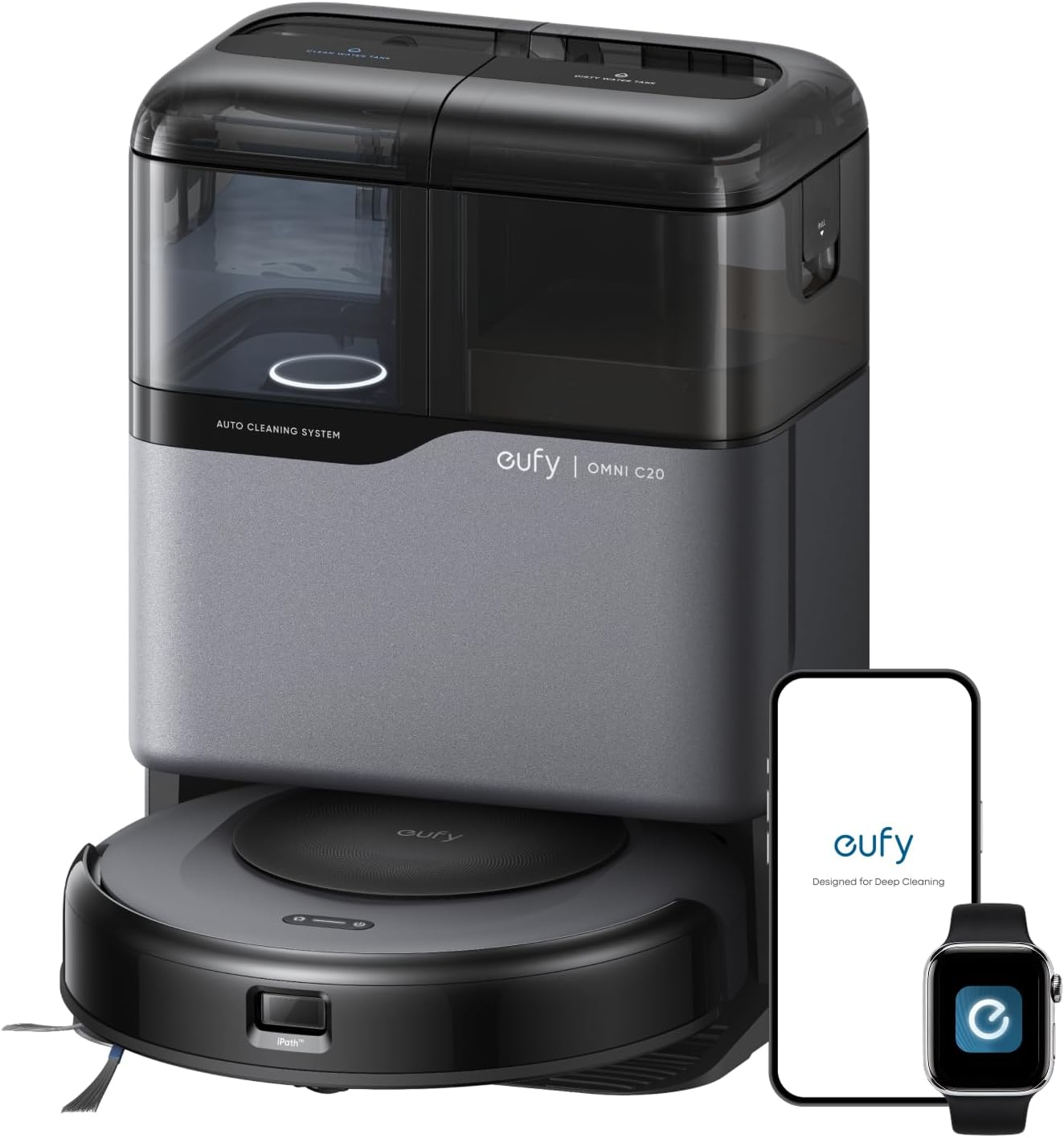
Check the current Saros 10R price and dock options here: roborock Saros 10R Robot Vacuum and Mop, 22,000 Pa Suction,
Best for large studios and longarm rooms: Roborock Saros 20
Quilters running longarm machines or commercial studios generate a different scale of mess — entire wads of batting trim, leader-cloth threads, and dense stabilizer scraps. The Saros 20's 36,000 Pa HyperForce suction was built for this. The extending mop arm reaches under thread racks and bobbin storage that other robots avoid, and the dual anti-tangle DuoDivide brush splits thread piles before they can wrap. If your studio is over 600 square feet or includes a finishing area with serger trim, this is the model that won't get overwhelmed.
See pricing and the StarSight obstacle-avoidance demo: roborock Saros 20 Robot Vacuum and Mop, 36,000 Pa, 3.46 in D
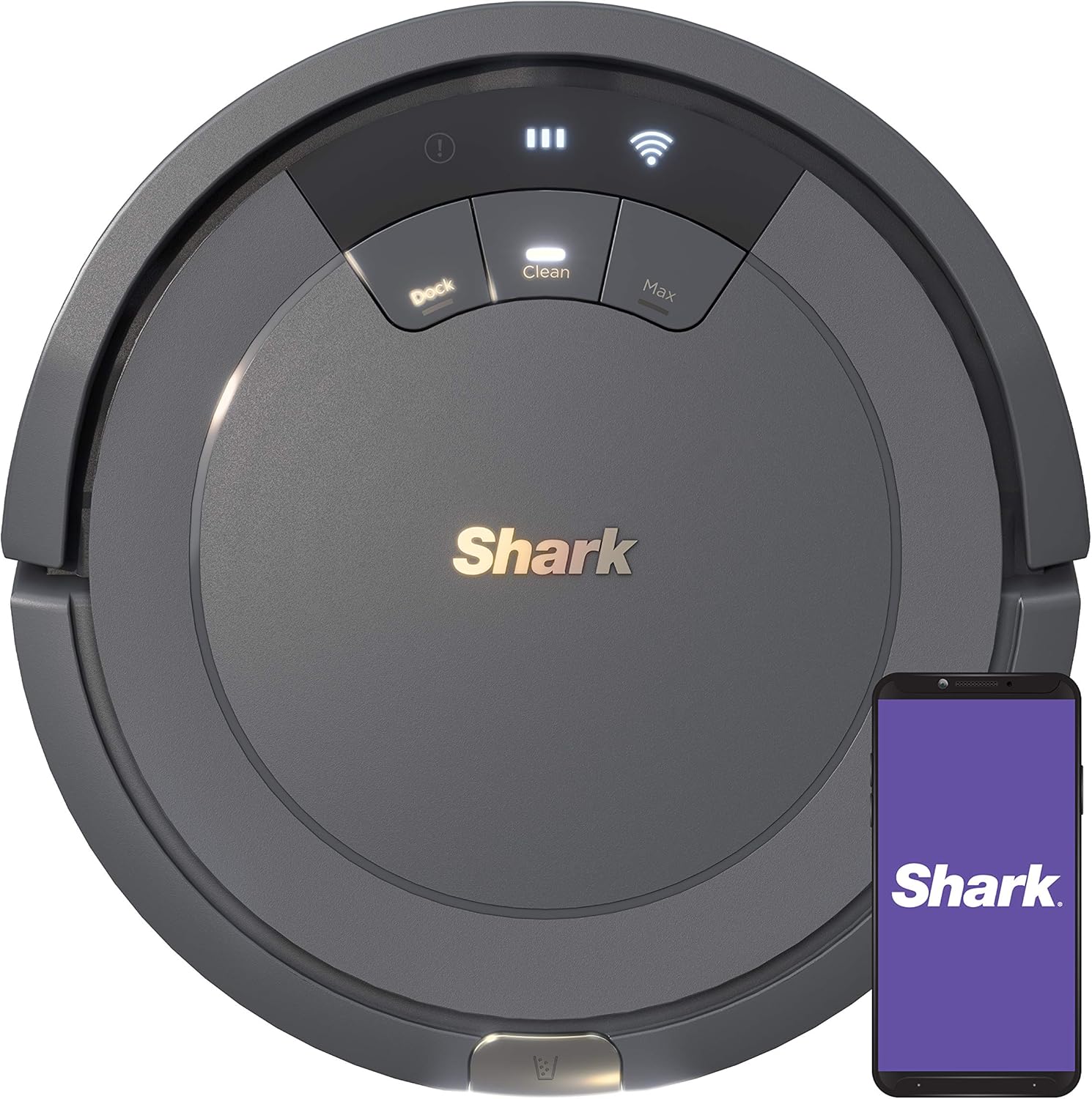
Best for sewing-table clearance: Roborock Qrevo Edge 2
Most quilters have at least one custom sewing cabinet with a low recess — typically 3 inches or less of clearance under the machine well. The Qrevo Edge 2's ultra-slim 7.98 cm (about 3.1 inch) profile is one of the few robots that will actually fit under modern sewing furniture from Koala, Horn, or Arrow. The edge-extending mop reaches into the corner where thread snippets always settle, and the 25,000 Pa suction handles the bobbin-area dust that escapes during machine maintenance. For quilters whose biggest frustration is the dust bunny family living under the machine, this is the targeted pick.
Confirm dimensions against your sewing cabinet here: roborock Qrevo Edge 2 Robot Vacuum and Mop, 25,000Pa, 3.14''
Best budget option: Shark PowerDetect NeverTouch Pro
If you're not ready to spend flagship money on a roborock s7 max ultra for quilting room duty, the Shark PowerDetect NeverTouch Pro is the most credible budget alternative for 2026. It self-empties for up to 60 days, the brushroll is engineered to resist hair and thread wrap (Shark calls it self-cleaning, and in practice it sheds most threads into the bin), and the sonic mop tackles light spills. It won't navigate as smartly as the LiDAR-equipped Roborocks, but for a single-room studio with a simple layout, it gets the job done at roughly half the price.
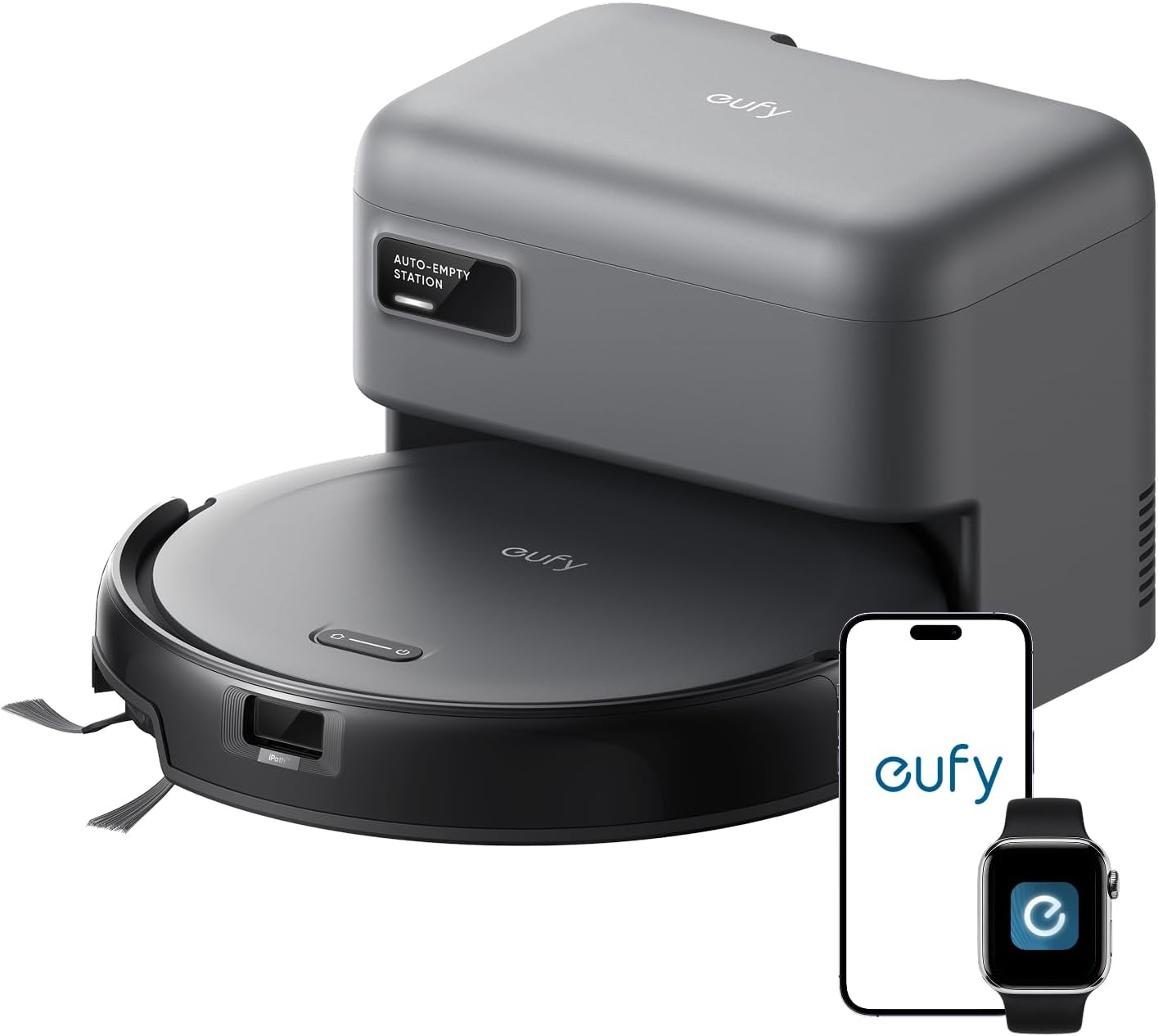
Compare current pricing: Shark Robot Vacuum & Mop Combo, PowerDetect NeverTouch Pro,
Setup tips specific to a quilting studio
Map the room twice — once with the cutting table in its working position and once if you ever move it. Set a no-go zone around the foot pedal, the thread cone stand, and the trash can where rotary blades end up. If you have a design wall with batting pinned to it, set a virtual wall 12 inches out so the robot doesn't tug at the lower edge. Schedule the robot to run during lunch breaks rather than overnight; quilters tend to drop pins, and you want to spot a stuck pin before the robot grinds it into a hardwood seam.
For maintenance, empty the dock bag every two weeks even if it isn't full — cotton lint compresses and can block the airflow sensor. Wipe the rubber brush with a lint roller weekly; threads don't wrap, but they do cling. Replace the side brush every 90 days if you piece daily.
What about wool batting, silk threads, and metallic threads?
Wool batting fluff is heavier than cotton and benefits from the higher-suction Saros models. Silk threads are slippery and rarely wrap any brush, so any pick here handles them. Metallic threads are the genuine hazard — they're abrasive and can score rubber brushes over time. If you work primarily with metallic threads, vacuum the immediate cutting area manually with a handheld and let the robot handle only the broader floor.
For more on choosing between these models for different flooring types, see our best robot vacuums for hardwood floors guide, and if you're balancing studio cleanup with pet hair from a shop cat, check the pet-hair robot vacuum comparison. Quilters with multi-level studios should also review our 2026 robot vacuum buying guide before deciding.
Frequently Asked Questions
Will the Roborock S7 Max Ultra brush actually resist quilting thread wrap?
Yes. The all-rubber multi-surface brush has no bristles for threads to grab onto, and the floating design lets thread slide off the axle into the dustbin. In a typical piecing session producing 6–8 inches of accumulated thread, expect zero wrap after a cleaning cycle. After 30+ days, you may see a thin hair-thin ring near the axle ends, easily wiped off with a finger.
Can a robot vacuum pick up straight pins or sewing needles safely?
No robot vacuum should be trusted with metal pins. The suction will pull them in, but they can puncture the dustbin filter, jam the brush axle, or get flung into hard floors causing scratches. Always sweep a magnetic pin wand across the floor before running the robot in a quilting room.
Is the S7 Max Ultra strong enough for a quilting room with low-pile rugs?
For low-pile (under 10 mm) rugs in front of cutting tables or sewing chairs, 5,500 Pa is sufficient for thread and lint. If your rug is medium-pile or you also have a longhaired pet, step up to the Saros 10R (22,000 Pa) or Saros 20 (36,000 Pa) for embedded debris extraction.
How often does the dock need emptying if I quilt daily?
Daily quilters typically fill the auto-empty dock bag in 3–4 weeks rather than the marketed 7 weeks, because cotton lint is voluminous compared to standard household dust. Plan to swap the bag monthly and keep a spare on hand. Replacement bags run $4–6 each.
Will it clean under my sewing machine cabinet?
The S7 Max Ultra stands 9.65 cm tall, which fits under most standard sewing cabinets but not under low Koala or Horn recessed machine wells. For tight clearances under 8 cm, the Qrevo Edge 2 at 7.98 cm is the safer choice. Measure twice before buying.
Does the sonic mop handle starch and steam residue from pressing?
Yes — the 3,000 vibrations-per-minute mop scrubs water-soluble starch films effectively when run on hardwood or vinyl plank. For heavy spray starch buildup, run the mop on its highest water setting and treat it as a once-weekly deep clean rather than a daily pass.
Is the Roborock S7 Max Ultra still worth buying in 2026?
For dedicated quilting rooms, yes. Newer Saros models offer higher suction and smarter obstacle avoidance, but the S7 Max Ultra's rubber brush plus sonic mop combo is still the sweet spot for cotton-heavy environments and is frequently discounted now that it's a generation behind the flagship line. If you can find it under $900, it's the best value pick for a quilter-specific robot vacuum.
Key Takeaways
- Choosing the right roborock s7 max ultra for quilting room means matching capacity and output ports to your actual devices
- Always check actual watt-hours (Wh), not just watts — runtime depends on Wh, not peak output
- Also covers: robot vacuum sewing room threads
- Also covers: s7 max ultra fabric lint cleanup
- Also covers: quilter craft room robot vacuum
- Compare price-per-Wh across models to find the best value for your budget