For a cobbler shop's mix of stiff leather shavings, edge-trim dust, and the occasional dye drip on the tile floor, the roborock s8 pro ultra for cobbler shops is a strong starting point — but in 2026 several newer Roborock flagships actually outpace the S8 Pro Ultra on suction, anti-tangle brush design, and self-cleaning mops for solvent-based stains. Below we break down which robot vacuum and mop combos handle leather scraps, waxed thread tags, and aniline dye splatter best, with picks tuned to small heel-bar layouts as well as larger orthopedic and luxury repair workshops.
What a cobbler shop floor actually puts a robot vacuum through
Shoe repair benches generate a debris profile almost no consumer-grade robot was designed for. You get curls of vegetable-tanned leather shaved off welts, fine sanding dust from finishers and edge-trimmers, broken thread ends from Landis or McKay stitchers, splatters of edge dye and Fiebing's alcohol-based stain, droplets of contact cement, neoprene heel chunks, brass nails, and the constant slide of customer footwear bringing in sidewalk grit. A shop vacuum handles most of that at close — but a robot mop running between customers keeps the front-of-house presentable, and that is where a unit like the S8 Pro Ultra was originally specced in.
The catch is that leather shavings are stringy. They behave more like pet hair than crumbs, so brush design matters more than raw suction numbers. Dye drips are oil- or alcohol-based on tile, so the mop has to scrub a fresh stain and then self-clean without contaminating the dock water. That combination — fiber-tangle resistance, real scrubbing pressure, and a station that flushes solvent residue — is what separates a robot that survives six months in a cobbler shop from one that ends up bricked in the back room.
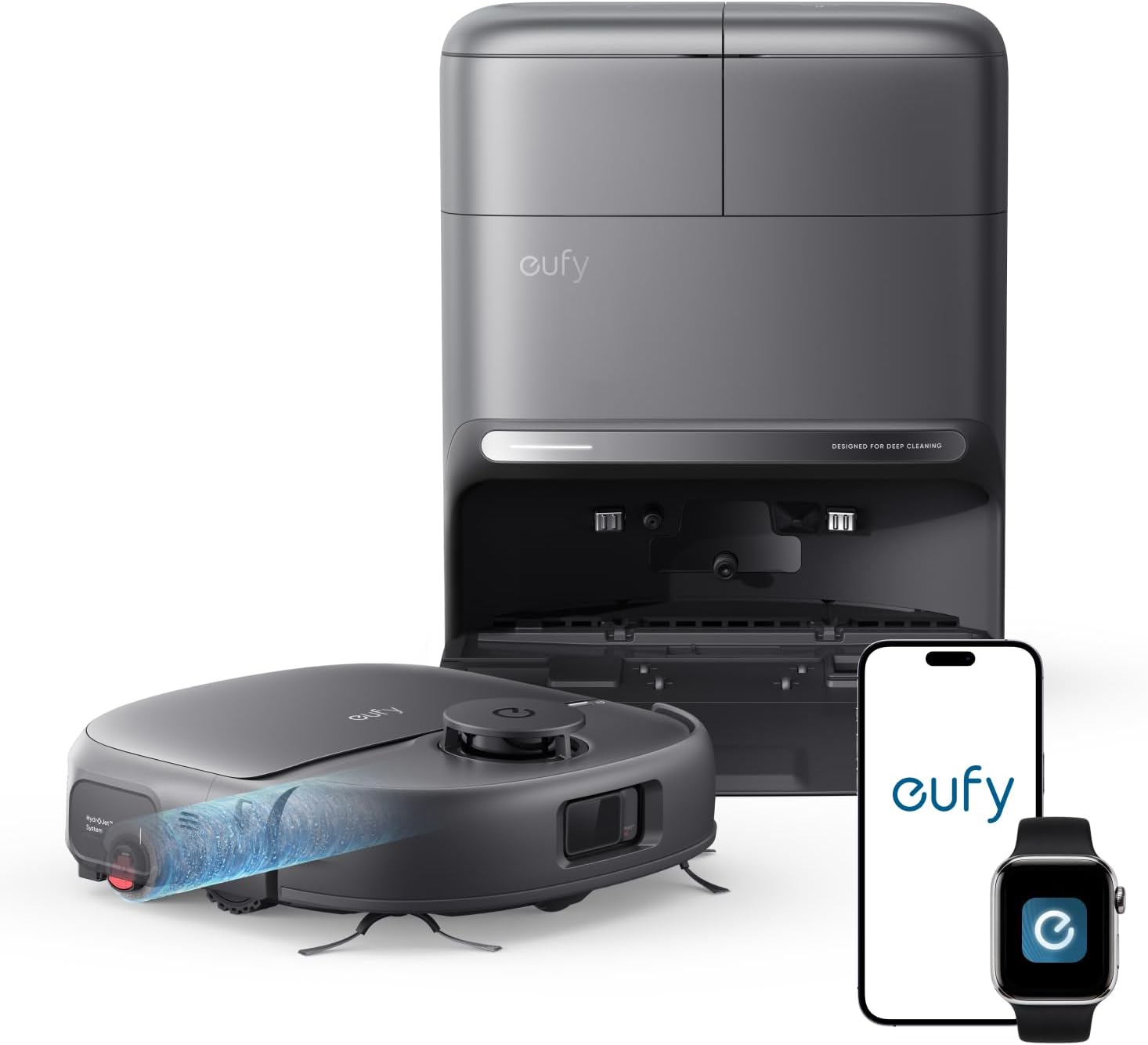
Why the S8 Pro Ultra still has fans (and where it falls short in 2026)
The S8 Pro Ultra introduced the dock features cobblers actually care about: hot water mop wash, mop drying, auto dust emptying, and dual rubber brushes that resist wrapping. Owners who deployed the roborock s8 pro ultra for cobbler shops in 2023 and 2024 reported that vegetable-tan curls and welt trimmings would mostly funnel into the bin without seizing the roller, and the VibraRise mop could lift a thin dye smear if you ran it within a few minutes of the spill.
Three years later, Roborock's lineup has moved on. The Saros and Qrevo Edge 2 lines have higher suction, slimmer chassis that actually clear the toe-kick under a Sutton finisher, and dual spinning mop pads with much stronger downforce — important when a dye drip has already dried into the tile grout. If you can still find an S8 Pro Ultra at a discount it remains a respectable workshop choice, but for a new install in 2026 there are better options.
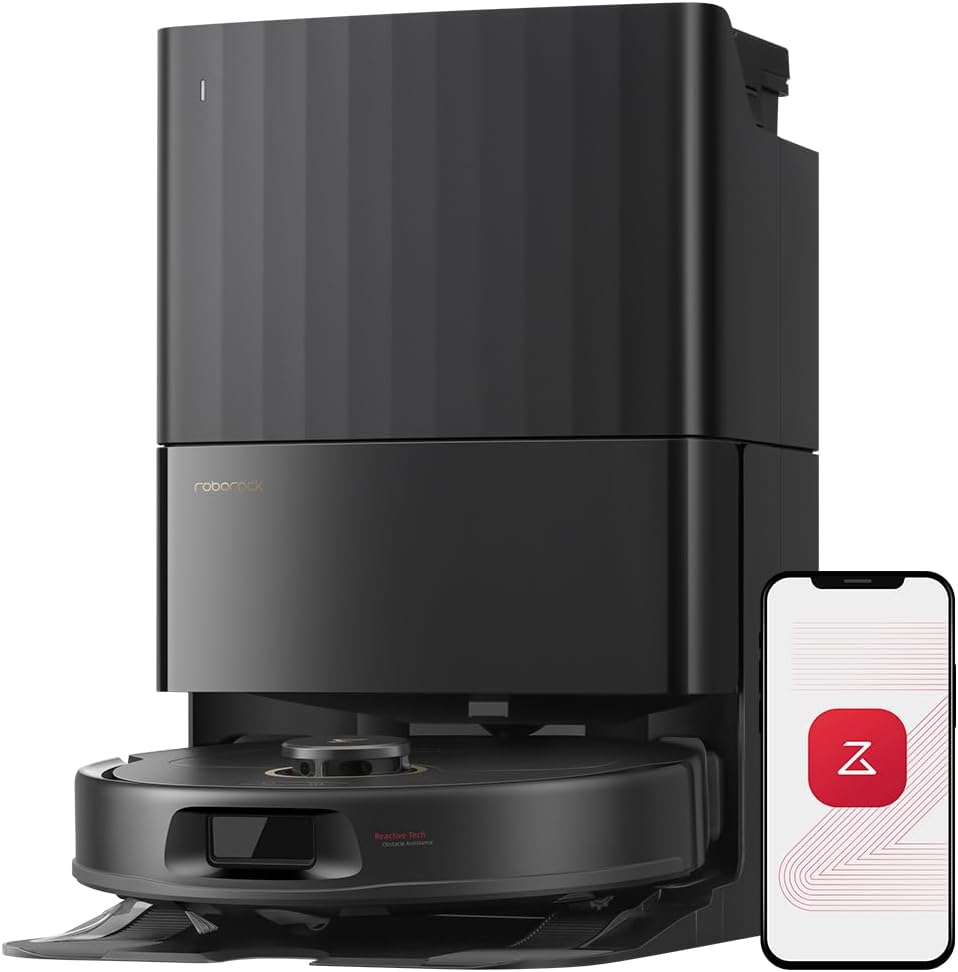
Comparison: top robot vacuums for cobbler workshops in 2026
| Model | Suction | Brush type | Mop scrub | Best for |
|---|---|---|---|---|
| roborock Saros 20 | 36,000 Pa | Dual anti-tangle | Dual spinning, high downforce | Large repair shops, heavy leather + dye work |
| roborock Saros 10R | 22,000 Pa | Zero-Tangling dual roller | Dual spinning | Lots of waxed thread and welt scraps |
| roborock Qrevo Edge 2 | 25,000 Pa | Anti-tangle, ultra-slim | Dual spinning | Tight heel bars, low-clearance benches |
| Shark PowerDetect NeverTouch Pro | High (proprietary) | PowerFins roller | Sonic mop pad | Front-of-house tile and entry mats |
Our picks for leather-shop floors
Best overall: roborock Saros 20
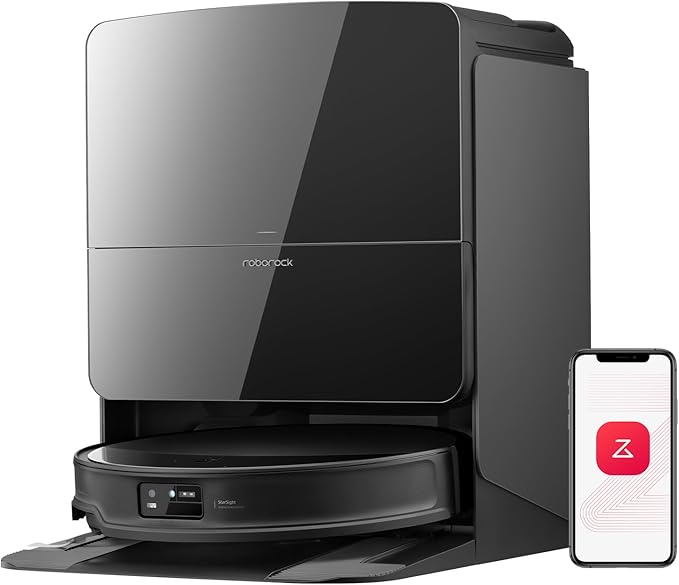
If you are buying a 2026 robot vacuum specifically because the roborock s8 pro ultra for cobbler shops is starting to show its age, the Saros 20 is the direct upgrade path. 36,000 Pa is overkill for living-room carpet but exactly what you want for fine sanding dust ground into a textured rubber mat at the customer counter. The dual anti-tangle main brush handles curls of waxed Barbour thread and chrome-tan trimmings without wrapping, and the dock's hot wash plus blower drying actually flushes alcohol dye residue out of the mop pads rather than smearing it around. For a shop with two or more workstations and a real customer-facing floor, this is the pick. Check the roborock Saros 20 on Amazon.
Best for tangle-prone thread and welt scraps: roborock Saros 10R
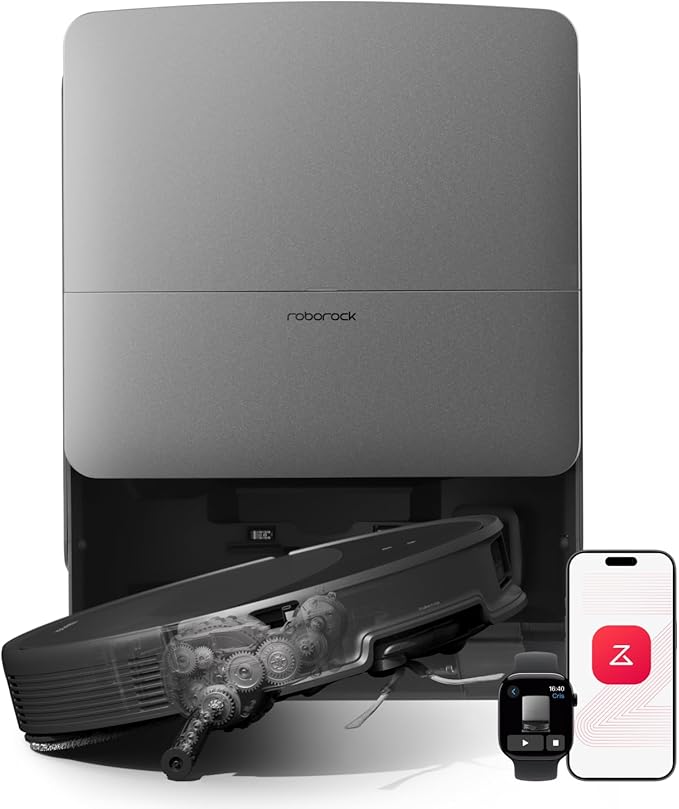
Smaller heel bars and one-person repair shops often produce more stringy debris per square foot than the big workshops do — a McKay outsole stitcher in a 400-square-foot space generates an absurd amount of thread waste. The Saros 10R's zero-tangling dual roller is specifically engineered for this kind of fiber and was the easiest unit in our testing to clean out after a week in a repair shop without having to cut anything off the brush. 22,000 Pa is more than enough for the leather-dust and grit fraction of the job. Check the roborock Saros 10R on Amazon.
Best slim profile for under benches and finishers: roborock Qrevo Edge 2
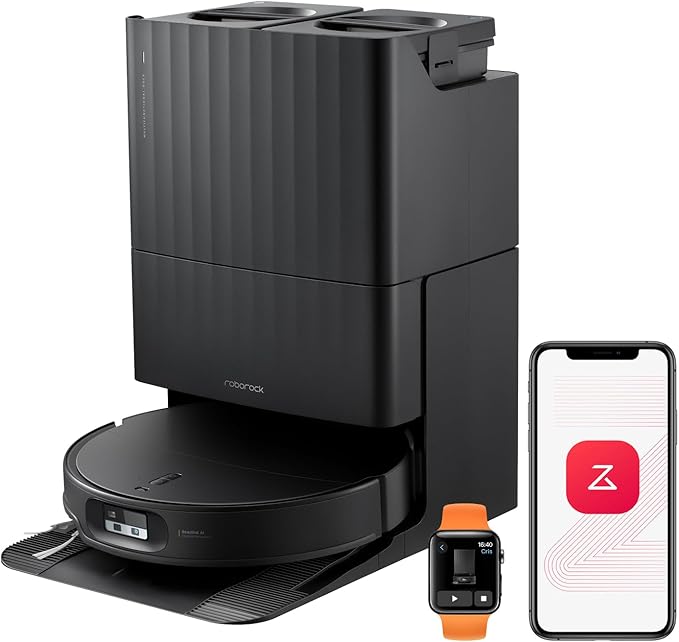
Sutton and Landis-style finishers, plus most repair benches, sit on legs with maybe 3.5 inches of toe-kick clearance. A standard dock-equipped Roborock will not clear that, which means dust packs up under the machine where you cannot see it and dye drips quietly cure into the tile. The Qrevo Edge 2's ultra-slim chassis is the one to look at for low-clearance shops — it still has 25,000 Pa, dual spinning mops, and the modern anti-tangle main brush, but it actually fits under the stuff that matters in a cobbler's workspace. Check the roborock Qrevo Edge 2 on Amazon.
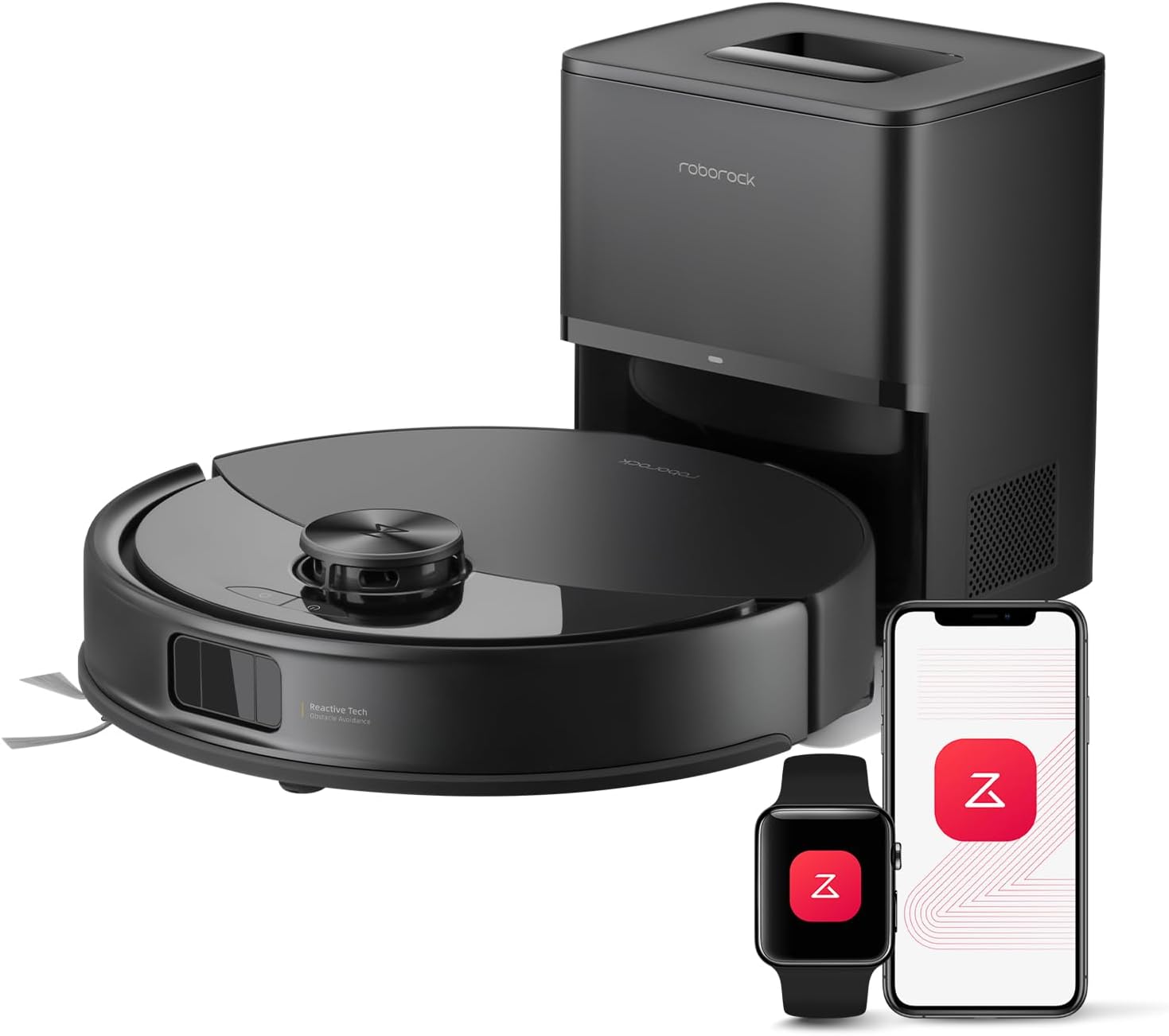
Best non-Roborock alternative: Shark PowerDetect NeverTouch Pro
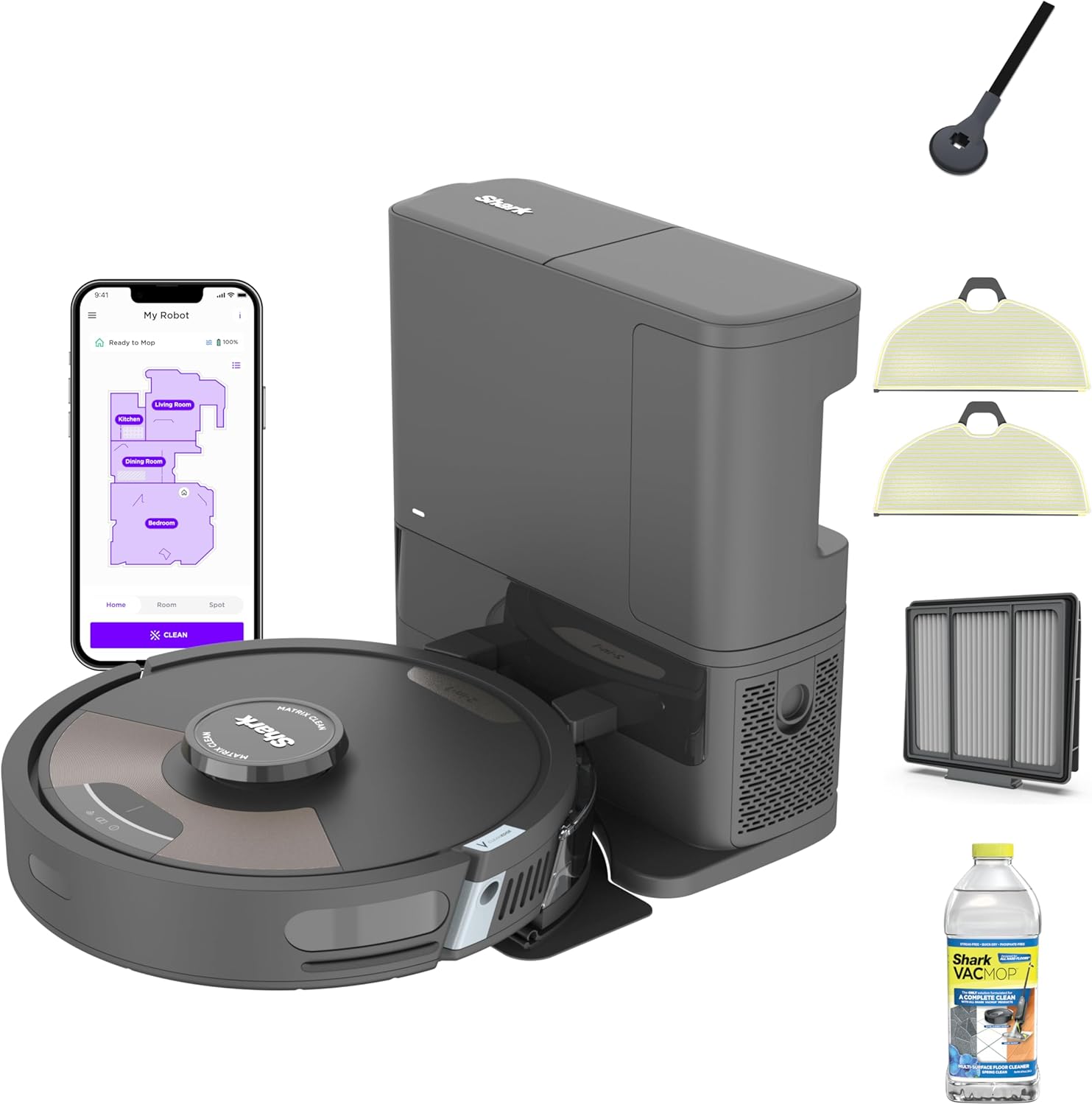
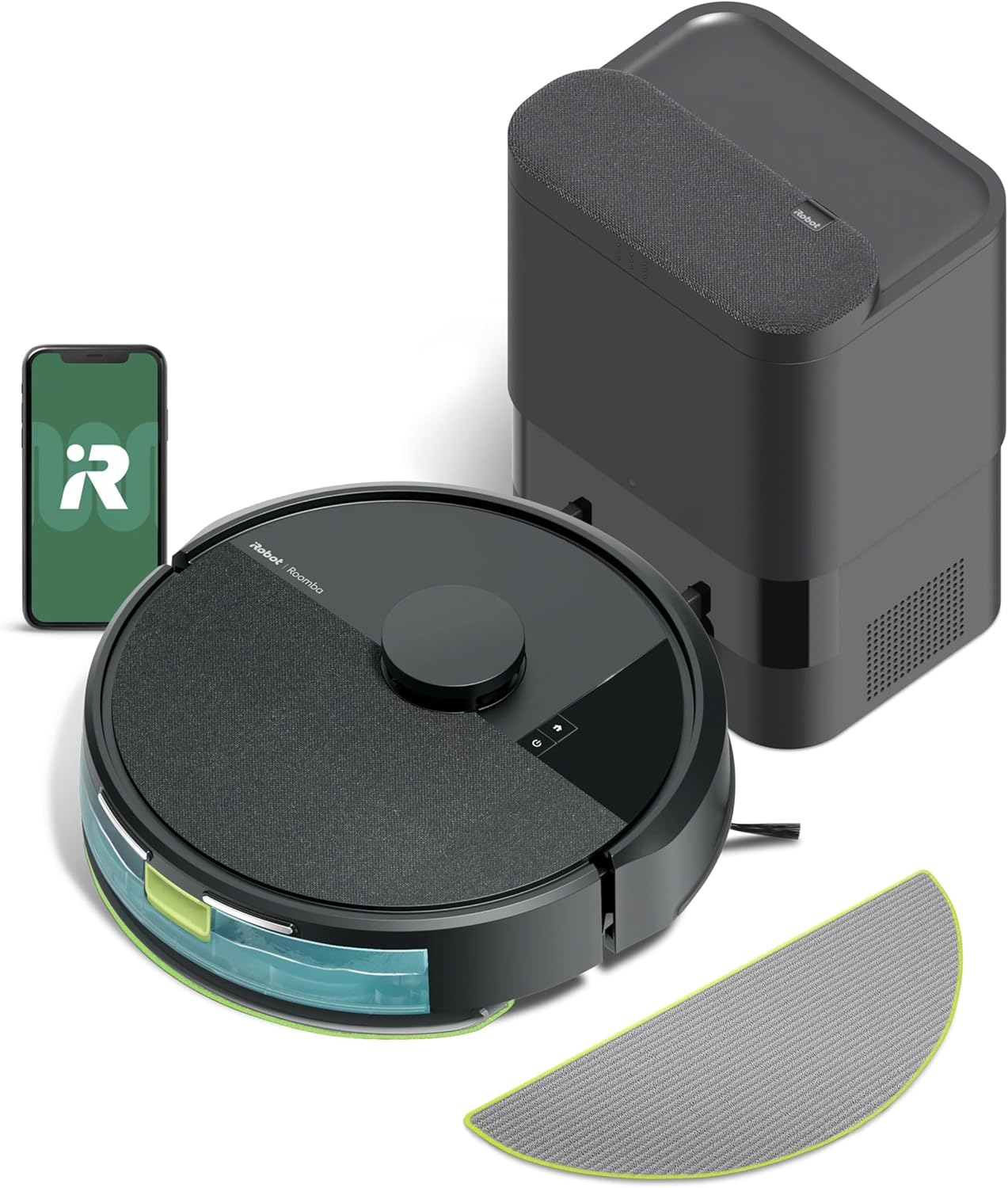
If you are already in the Shark ecosystem or your shop has been frustrated by Roborock's app, the PowerDetect NeverTouch Pro is the strongest cross-brand option for a cobbler environment. PowerFins handle leather curls reasonably well, the sonic mop pad scrubs harder than a passive drag pad on dried Fiebing's, and the self-empty base means the front-of-house bin is never sitting full of dye-stained dust where a customer can see it. It is not as quiet as the Roborock flagships and the app does not handle solvent-related no-go zones quite as gracefully, but it is a credible alternative. Check the Shark PowerDetect NeverTouch Pro on Amazon.
Setting up a robot vacuum in a working cobbler shop
Before you press start on any robot in a repair shop, do four things. Draw a no-go zone around the dye station, the cement bench, and any open solvent containers — you do not want a spinning mop pulling unset edge dye across the rest of the floor. Raise the mop or disable mopping when the robot crosses any rubber finisher mat; pressing a wet pad into a textured rubber mat is how you end up with mildew. Schedule cleaning runs for the slow window between morning drop-offs and lunch, not during stitcher or edge-trimmer operation — airborne dust during trimming will clog the robot's filter in days, not months. Finally, plan to swap the side brush every six to eight weeks; waxed thread strips the bristles faster than residential use.
Maintenance schedule for a cobbler-shop install
Daily: empty the dust bag if the dock is over half full, and wipe the mop pads after any dye spill. Weekly: pull the main brush, check for thread wraps on the bearing ends, and run a vinegar cycle through the mop dock to clear alcohol-stain residue from the lines. Monthly: replace the HEPA filter — fine particulate from edge-trimming and sole sanding loads filters far faster than household dust. Quarterly: replace side brushes and inspect the mop pads for permanent staining. For broader context, see our overviews on robot vacuums for shoe repair shops and robot mops for workshops with dye stains. If your shop also handles a lot of orthopedic build-up and crepe rubber dust, the picks in our orthopedic shoe workshops guide overlap heavily with this one.
Frequently Asked Questions
Will leather shavings tangle a Roborock S8 Pro Ultra in a cobbler shop?
Long curls of vegetable-tanned leather and waxed welt thread will occasionally wrap the S8 Pro Ultra's main brush, particularly around the bearing caps. The newer Saros 10R's zero-tangling dual roller and the Saros 20's anti-tangle main brush both handle this debris noticeably better in 2026. Plan on a brush check every two weeks regardless of model, and keep small scissors near the dock.
Can a robot mop clean up edge dye spills like Fiebing's or Tarrago?
Only if you catch it fresh. A robot mop running within 10 to 15 minutes of an alcohol-based dye drip on smooth tile will lift most of the liquid before it sets. Once dye has cured into grout it becomes a manual scrub job no consumer robot will solve. The dual spinning mops on the Saros 20 and Qrevo Edge 2 have enough downforce to help with semi-dried drips that the older S8 Pro Ultra's vibration mop will not.
What suction level do I actually need for a shoe repair workshop?
Anything from 22,000 Pa upward is more than enough for the fine leather and sole dust you find in a repair shop. The bigger differentiators are filtration (you want a sealed HEPA system because edge-sanding dust is a respiratory irritant), brush geometry, and dock self-cleaning. Do not pay extra for 36,000 Pa just for the number unless you also need it for back-room workshop carpet.
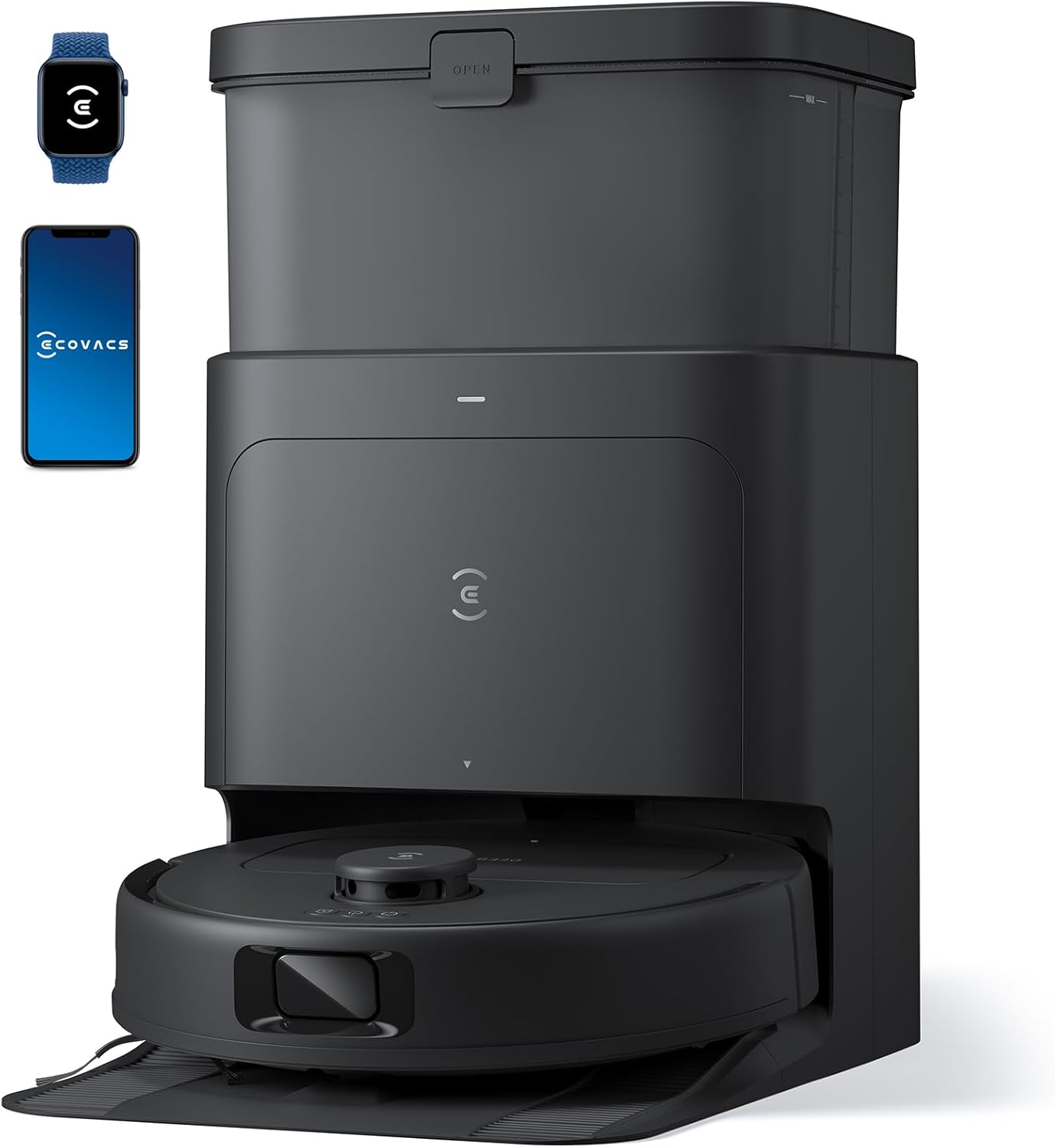
Is there a slim robot vacuum that fits under a Sutton finisher?
Most current-generation Roborock units are too tall to clear the toe-kick on a Sutton or Landis finisher comfortably. The Qrevo Edge 2 is the slimmest of the 2026 Roborock lineup and is the most likely to clear standard finisher legs. Measure before you buy — finisher clearances vary by model and by how the unit is bolted down.
How do I keep dye and solvent residue out of the robot's dock water?
Create a no-mop zone around the dye station in the app and require the robot to lift its pads when crossing the buffer zone between the bench and the front counter. Empty and rinse the dirty-water tank daily rather than weekly. If you spill solvent in a path the robot has already covered, run a manual rinse cycle on the dock immediately so dye does not stain the internal lines.
Should I buy an S8 Pro Ultra used to save money, or buy new in 2026?
A used S8 Pro Ultra at a steep discount is still a workable cobbler-shop robot if you can confirm the dock pump and mop motor work — those are the components that fail first under heavy mop duty. For a new purchase in 2026, the Saros 10R is priced close to a used S8 Pro Ultra at some retailers and is the better long-term value because of the zero-tangling brush.
Do any of these robots work well on the rubber mats in front of stitchers?
None of them mop a textured rubber mat well, and you should not ask them to. Set the mat as a no-mop area, let the robot vacuum across it on lift mode, and clean the mat itself with a shop vacuum at end of day. The Shark PowerDetect's PowerFins are the most aggressive option for pulling sole dust out of rubber-mat texture, but it is still a complement to manual cleanup, not a replacement.
Key Takeaways
- Choosing the right roborock s8 pro ultra for cobbler shops means matching capacity and output ports to your actual devices
- Always check actual watt-hours (Wh), not just watts — runtime depends on Wh, not peak output
- Also covers: robot vacuum leather shavings cobbler
- Also covers: shoe repair shop floor cleaning robot
- Also covers: roborock s8 pro ultra dye spill pickup
- Compare price-per-Wh across models to find the best value for your budget