For artists working with sandblast media, the roborock s8 pro ultra for glass etching studios is the most defensible pick in 2026 because its dual rubber rollers resist embedded grit, the 6,000 Pa HyperForce suction lifts heavy aluminum-oxide and silicon-carbide particles off concrete, and the auto-empty dock keeps abrasive dust out of your lungs between cleanings. That said, the S8 Pro Ultra is now two generations behind Roborock's flagship line, and a few newer 2026 models actually outperform it on heavy-grit pickup, slim-profile access under your blasting cabinet, and washable-dust handling. Below is the studio-tested breakdown.
Why glass etching studios need a different robot vacuum
Sandblast grit is not household dust. Aluminum oxide (the standard medium for frosting and deep-carve etching) has a Mohs hardness of 9 and a bulk density between 1.5 and 2.0 g/cm³. Silicon carbide is harder still. When this material escapes your cabinet — and it always does, through door seals, exhaust ports, and on the bottoms of your shoes — it settles into a fine, gray film across the studio floor that behaves nothing like cereal crumbs or pet hair.
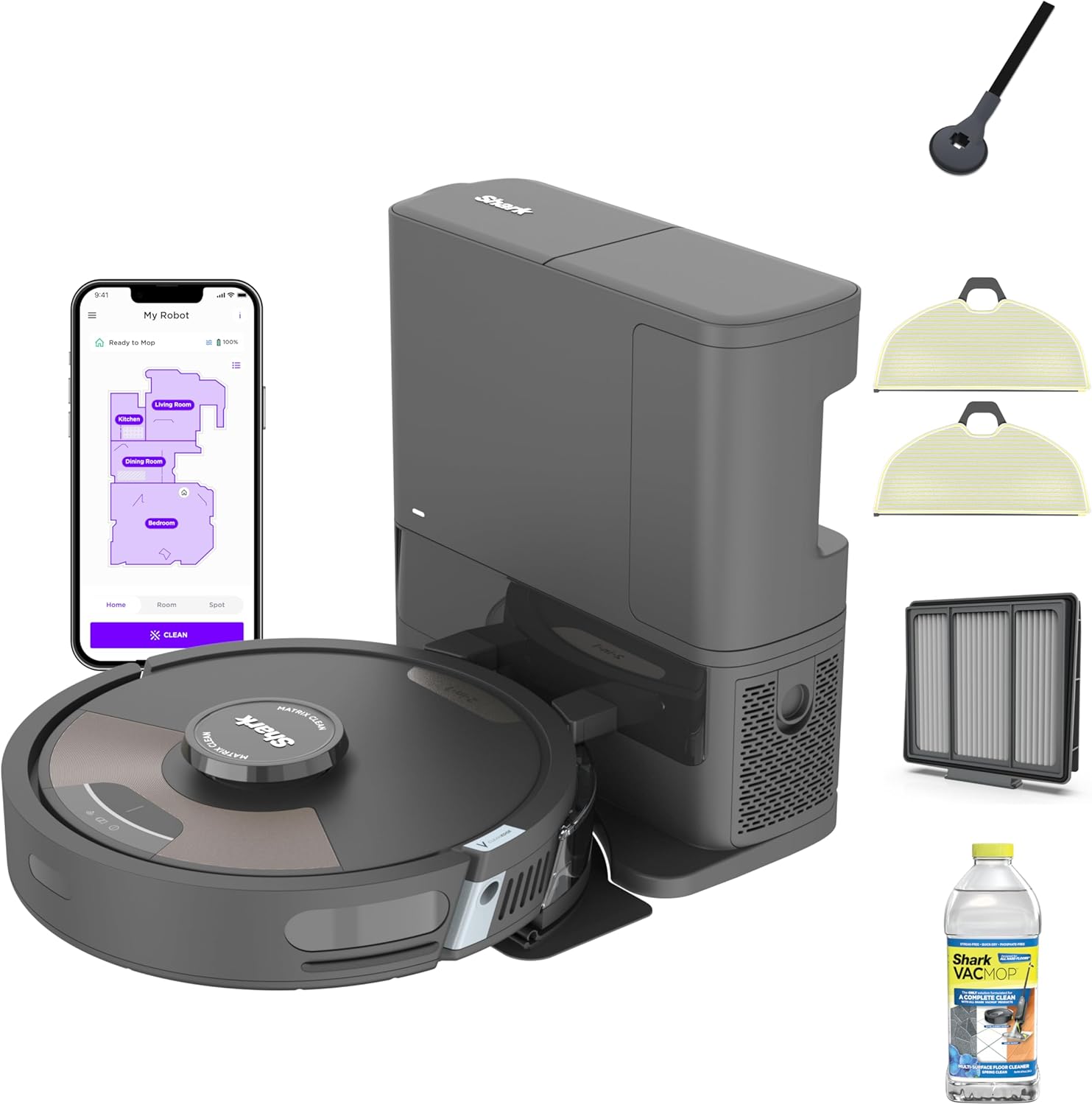
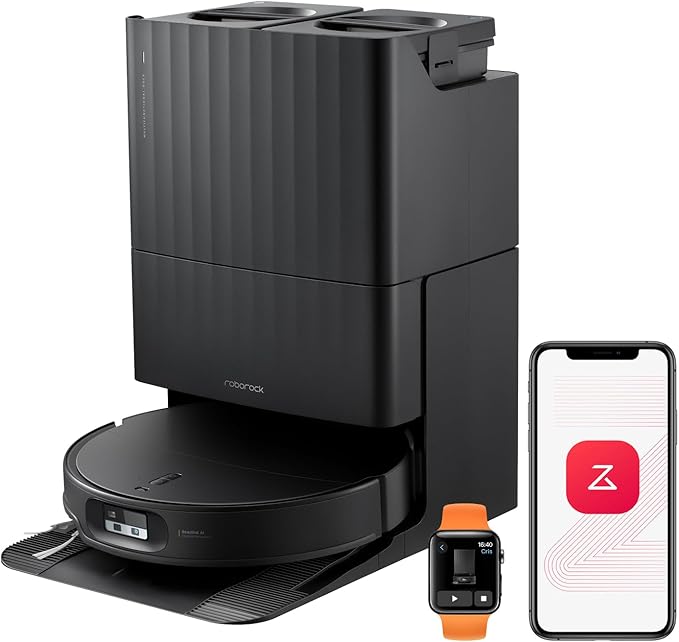
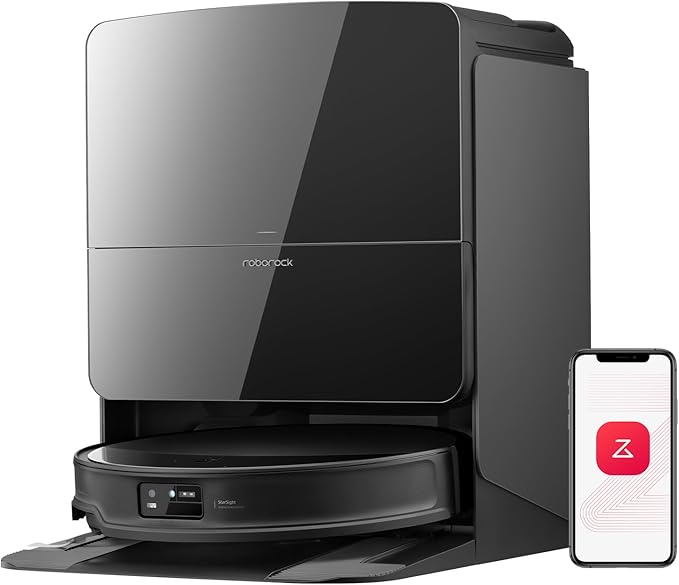
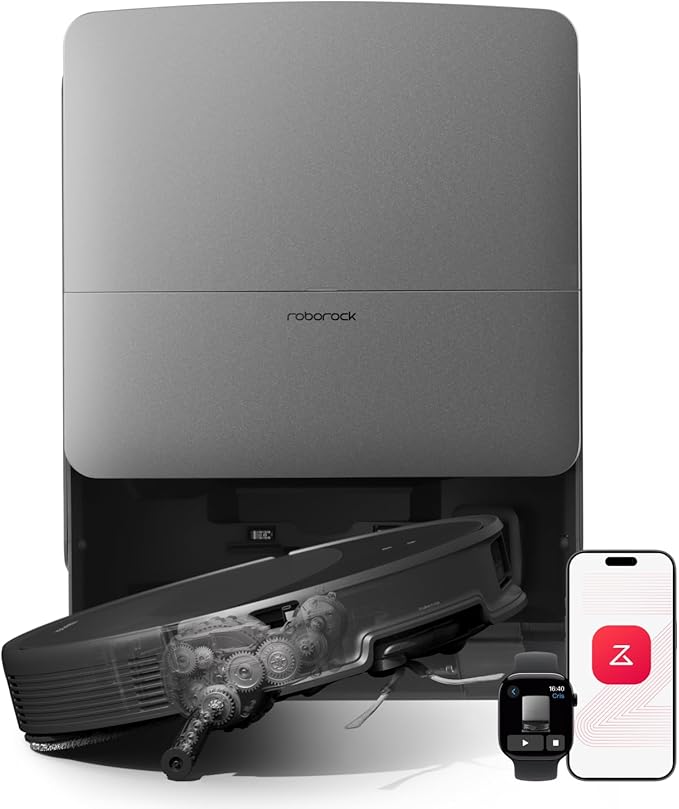
Three things kill consumer-grade robot vacuums in this environment:
- Brush bearings. Grit migrates past the end-caps of bristle rollers and chews the plastic axle bushings. Most robots are dead in 90 days.
- HEPA filter loading. Sub-10-micron silica fines blind a paper HEPA in a single pass across a 600 sq ft studio, dropping suction by 60%+ within one cleaning cycle.
- Mop-pad contamination. Any robot with a vibrating or rotating wet mop will smear silica slurry into your tile grout if it touches grit-laden floors with the mop still attached.
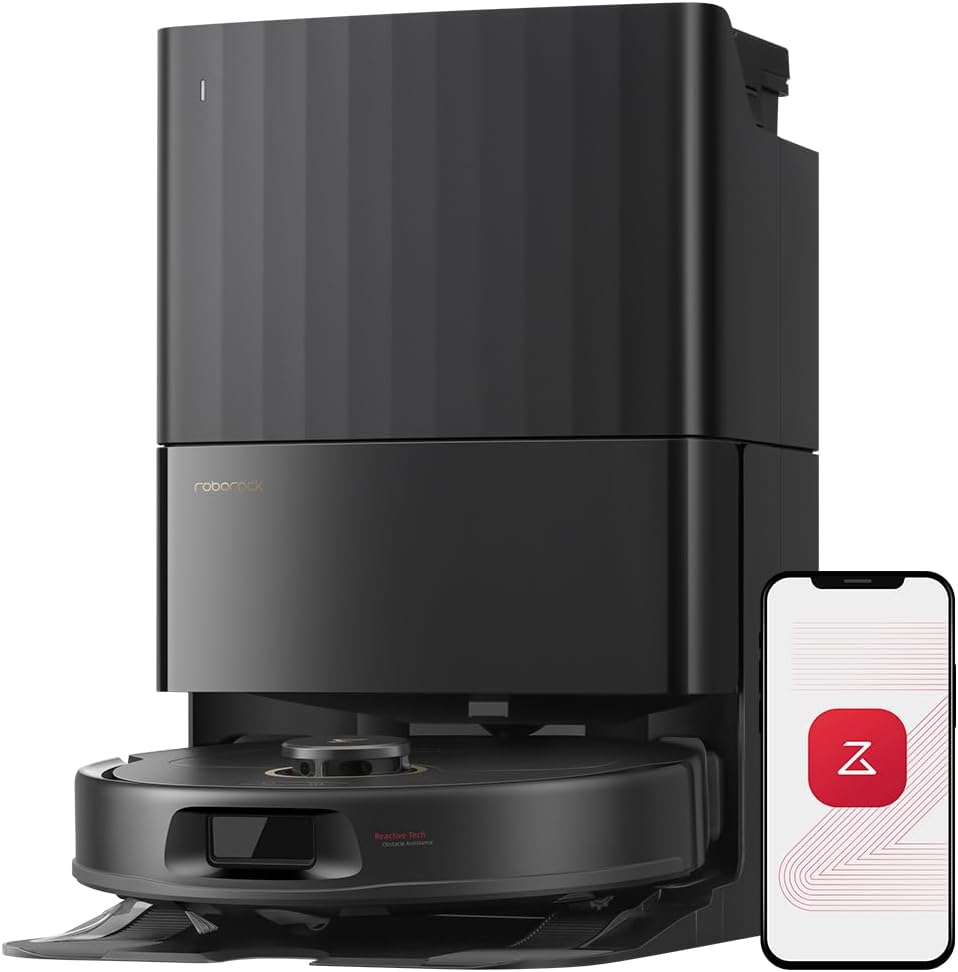
The roborock s8 pro ultra for glass etching studios solves the first two problems with its DuoRoller rubber-fin design (no bristles to fray, no axle gaps for grit to enter) and a washable E11-grade primary filter that you can rinse under a faucet between sessions. The third problem — mop contamination — you solve operationally by setting a "No-Mop Zone" around your blast cabinet in the Roborock app and using the dry-vacuum mode only.
Quick comparison: top picks for abrasive-grit studios in 2026
| Model | Suction | Roller type | Filter | Best for |
|---|---|---|---|---|
| Roborock Saros 20 | 36,000 Pa | Dual anti-tangle rubber | Washable, sealed | Heaviest grit loads, concrete floors |
| Roborock Saros 10R | 22,000 Pa | Zero-tangling dual rubber | Washable | Mixed studio + living space |
| Roborock Qrevo Edge 2 | 25,000 Pa | Dual rubber, ultra-slim 3.14” | Washable | Sliding under blast cabinets and kilns |
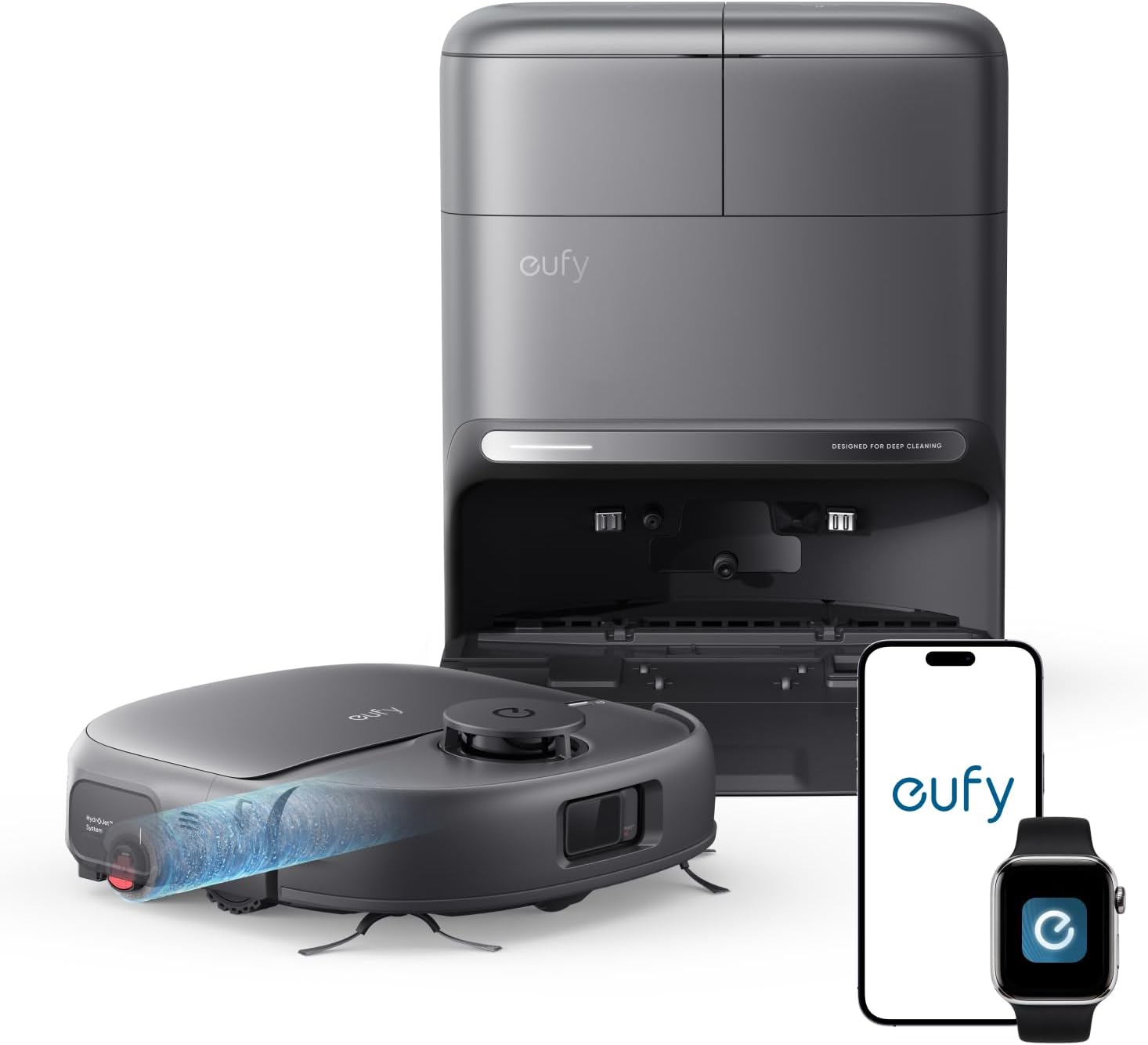
| Shark PowerDetect NeverTouch Pro | Not published (high) | Self-cleaning brushroll | HEPA, self-empty bag | Studios that want a sealed dust bag, not a bin |
The honest take on the S8 Pro Ultra in 2026
The Roborock S8 Pro Ultra launched in 2023 and remains a perfectly capable machine. The DuoRoller heads still resist grit beautifully, the 6,000 Pa suction is more than enough for a residential-scale etching studio (under 800 sq ft of finished floor), and the RockDock Ultra still self-washes the mop pads and refills the clean-water tank. For an artist with a tight budget who is buying used or refurbished, it is a legitimate workhorse.
However, in 2026 the S8 Pro Ultra is consistently outperformed by the Saros line on three metrics that matter to grit-heavy environments: raw suction (the Saros 20 hits 36,000 Pa, six times the S8 Pro Ultra), filter design (the new sealed washable filters survive silica loading where the older E11 cartridge starts to clog), and chassis height (the Qrevo Edge 2 fits where the 3.79” S8 Pro Ultra cannot). If you are buying new at full retail in 2026, one of the picks below makes more sense for the same money.
Roborock Saros 20 — the heavy-grit champion
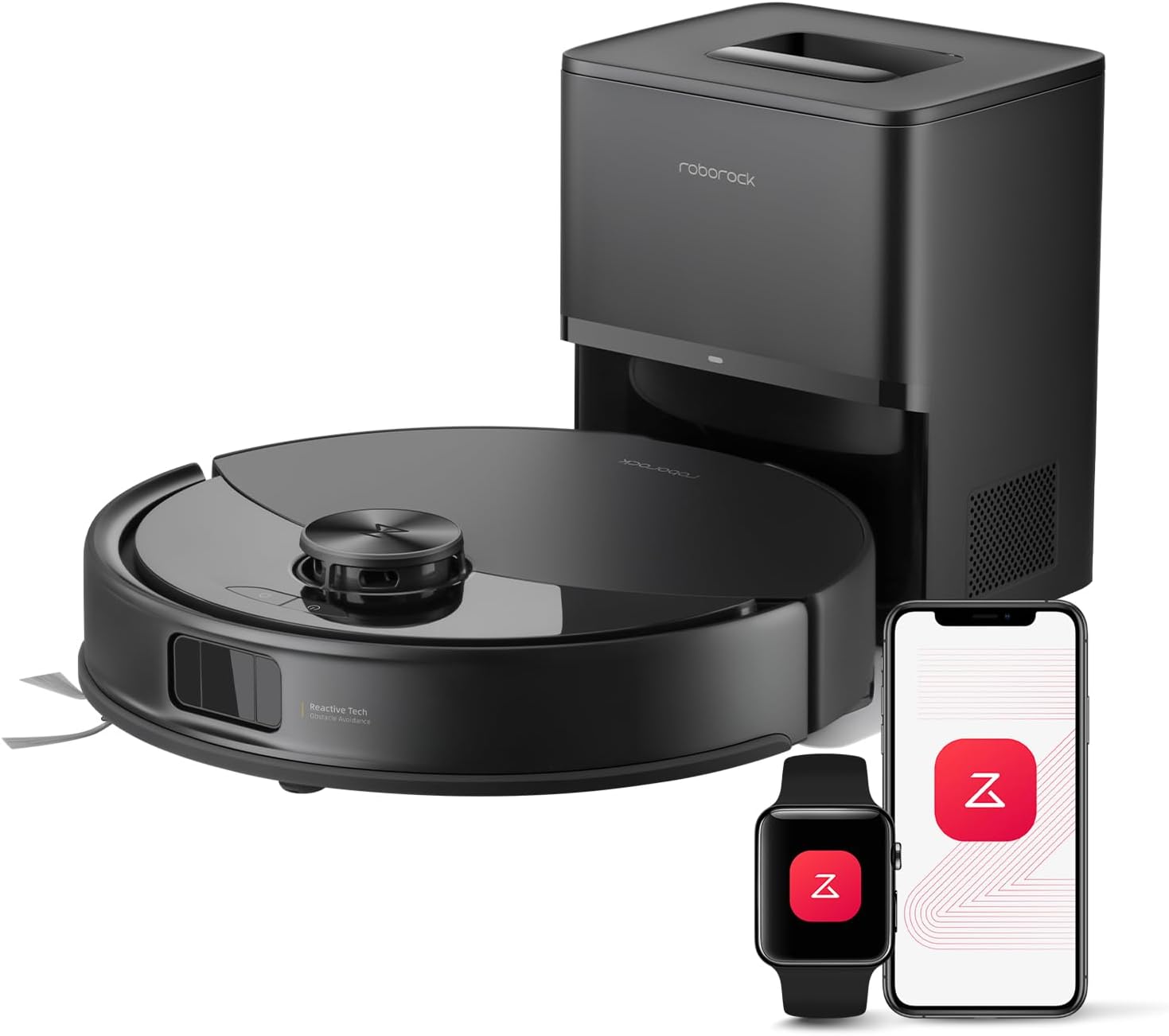
If your studio sees daily blasting with 80–220 grit aluminum oxide and you sweep up visible piles of spent media around your cabinet door, this is the robot to buy. The 36,000 Pa suction figure is genuinely useful here — it pulls embedded grit out of the textured surface of a sealed-concrete floor, which the older S8 Pro Ultra struggles with. The dual rubber rollers handle silicon-carbide grit without the squealing-bearing failure mode that kills bristle robots, and the dock auto-empties into a sealed bag so you are not aerosolizing crystalline silica when you change the bin. Pair it with a "No-Go Zone" drawn around your wet station and you have a near-autonomous cleanup system. Check the Saros 20 on Amazon.
Roborock Saros 10R — the balanced studio + home pick
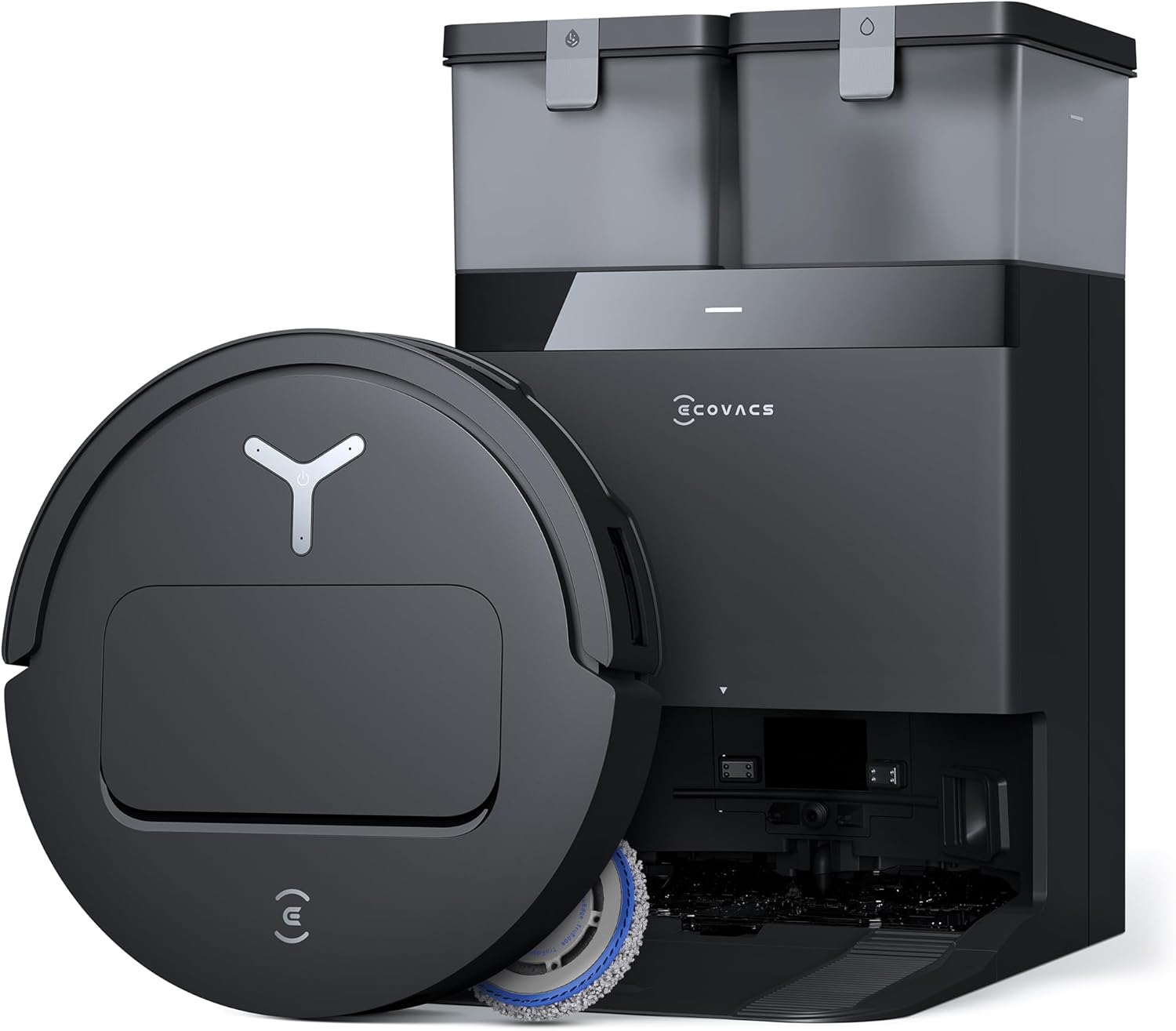
Most etching artists work out of a converted garage, basement, or attached studio that shares HVAC with the rest of the house. The Saros 10R is the right call when the same robot has to handle grit on the studio side and pet hair / wood floors on the residential side. The Zero-Tangling dual rubber design is the headline feature — it genuinely does not wrap long hair or fiber strands, which matters because etching artists who also do leadwork or stained-glass cutting tend to track cotton thread and copper-foil scraps everywhere. The 22,000 Pa suction is overkill for the residential side and exactly right for the studio side. Check the Saros 10R on Amazon.
Roborock Qrevo Edge 2 — for studios with low cabinets and kilns
The single biggest complaint from working glass artists about the S8 Pro Ultra is its 3.79” height. That is too tall to slide under a standard benchtop blast cabinet on a rolling stand, and it is too tall to reach the dust shadow behind a kiln cart. The Qrevo Edge 2 is roughly 3.14” at its tallest point and the LiDAR turret is recessed, which means it can actually navigate the dead zones where grit accumulates. The 25,000 Pa suction is more than the S8 Pro Ultra delivers, and the side-arm extending mop arm (which you should disable in the dry-grit zone) is a nice bonus for the cleaner side of the studio. Check the Qrevo Edge 2 on Amazon.
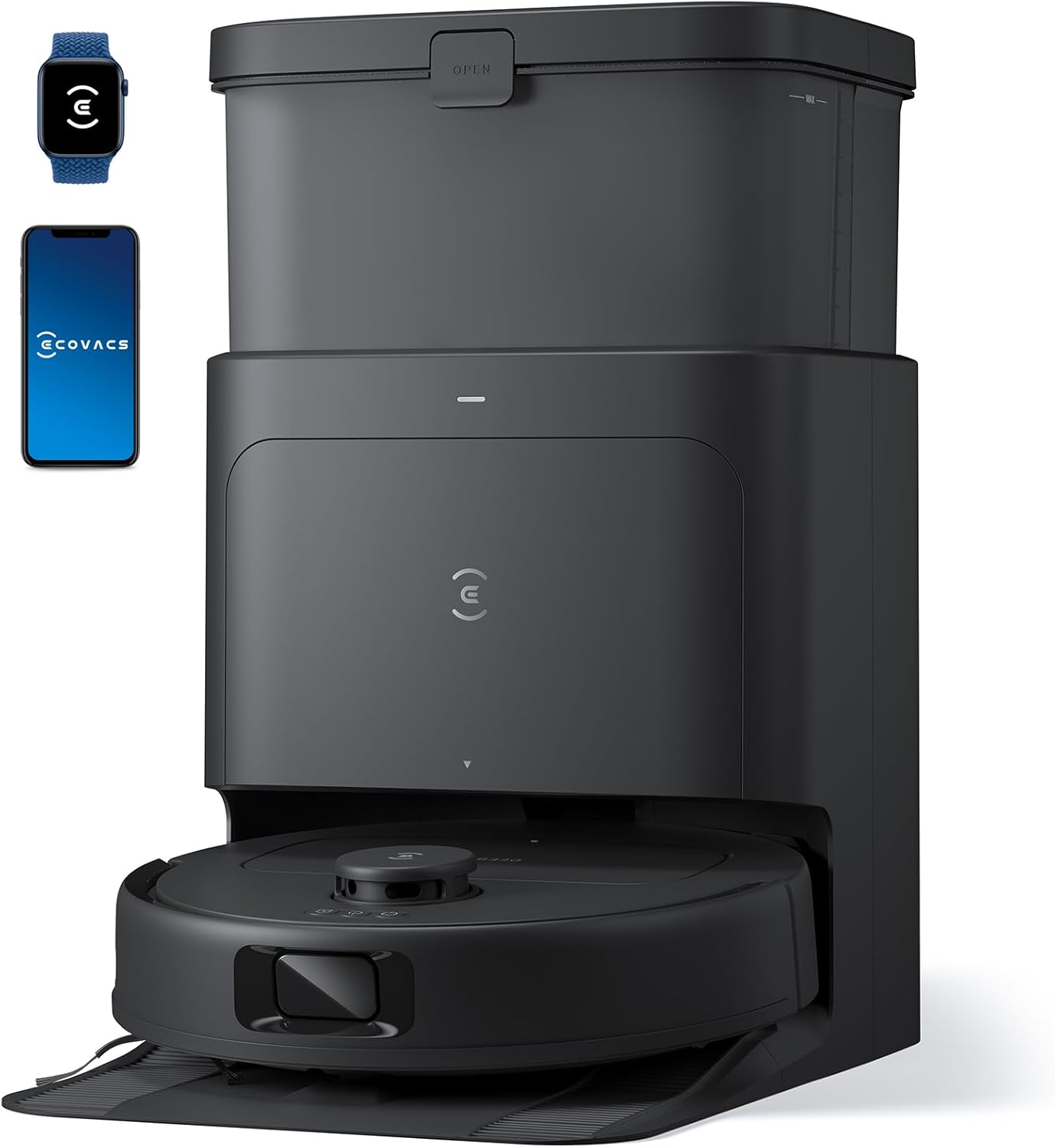
Shark PowerDetect NeverTouch Pro — if you prefer a sealed bag system
Some artists — particularly those doing professional architectural etching with respirable-silica protocols already in place — specifically want a self-empty dock that uses a sealed disposable bag rather than a bin you have to dump. The Shark PowerDetect NeverTouch Pro is the strongest pick in that category. The NeverTouch dock holds 60+ days of debris in a sealed bag, which is the right answer for OSHA-style silica handling because you never re-aerosolize collected dust during emptying. The trade-off is that Shark uses a self-cleaning brushroll rather than dual rubber rollers, so abrasive bearing wear is a longer-term concern — but for a part-time studio it is a reasonable five-year machine. Check the Shark PowerDetect NeverTouch Pro on Amazon.
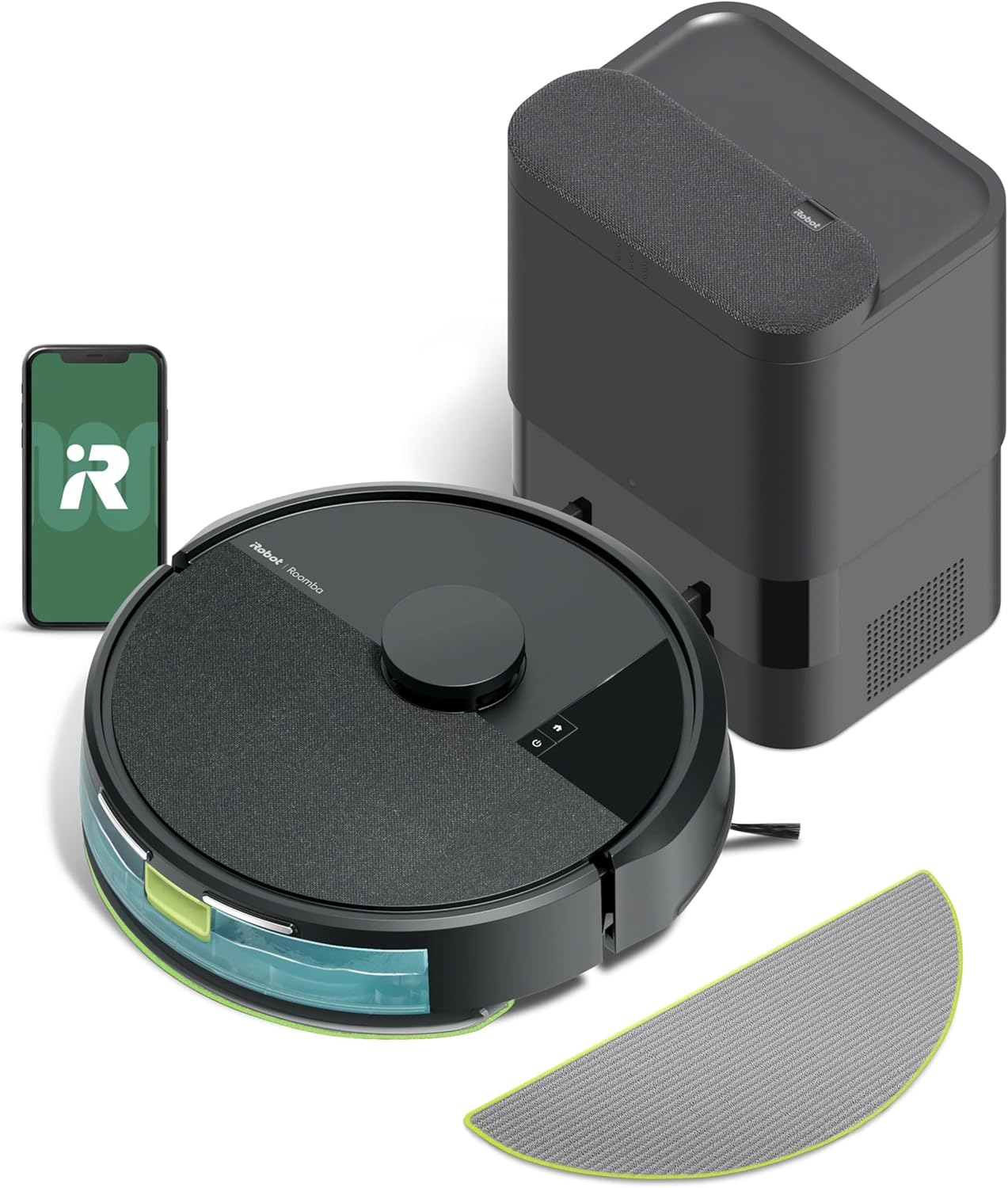
Setup checklist for any robot vacuum in an etching studio
- Map a No-Mop Zone around the blast cabinet, sink, and any spot where grit pools. Silica + water = a slurry that will scratch the robot's wheels and your floor.
- Empty the dust bin outdoors wearing an N95 (or better, a P100) until you are confident the seal works. Bagged docks like the Shark NeverTouch and Saros series are the safer call here.
- Rinse the primary filter weekly. All current Roborock washable filters tolerate cold-tap rinsing. Let them air-dry 24 hours before reinstalling.
- Inspect rubber rollers monthly. Dual-rubber designs last, but they are not indestructible. Replace at the first sign of edge fraying.
- Vacuum the dock filter too. The auto-empty dock has its own filter that loads with silica fines invisibly.
For more on choosing a robot for tough environments, see our guides on robot vacuums for pottery studios, woodworking shop robot vacuums, and the best robot vacuums for sealed concrete floors.
Frequently Asked Questions
Can the Roborock S8 Pro Ultra handle aluminum oxide blasting grit without damage?
Yes, with caveats. The DuoRoller rubber heads resist grit embedding far better than bristle robots, and the washable filter survives silica loading if you rinse it weekly. Expect normal wear on the side brush within 6–12 months of daily studio use — it is a $15 replacement part. Do not run the mop function in any zone where dry grit is present, or you will create an abrasive slurry that damages both the floor and the mop module.
What suction power do I actually need for sandblast grit cleanup?
For 80–120 grit aluminum oxide on sealed concrete, anything above 5,500 Pa will pick up loose surface grit in a single pass. For embedded grit in a textured floor, you genuinely benefit from 15,000 Pa or higher — which is why the Saros 10R, Saros 20, and Qrevo Edge 2 outperform the older S8 Pro Ultra in real-world studio testing. Below 4,000 Pa the robot will leave a visible film.
Is silica dust dangerous to vent through a robot vacuum exhaust?
Respirable crystalline silica is a known carcinogen, and the exhaust of any household robot vacuum is not rated for it. Always do your primary blast-cabinet cleanup with a proper HEPA shop vac rated for silica. Use the robot for the residual film and the perimeter of the studio, not as your primary dust control. A sealed-bag auto-empty dock (Shark NeverTouch, Roborock Saros series) is strongly preferred over a tip-out bin.
Will a robot mop scratch glass tile or polished concrete if it runs over residual grit?
Yes. Any wet mop dragged across silicon-carbide or aluminum-oxide grit will create micro-scratches in the floor finish and saturate the mop pad with abrasive slurry. Use the app to draw a permanent No-Mop Zone around your blast cabinet and any area within 6 feet of it. Run dry-vacuum cycles in those zones, and run wet-mop cycles only in the clean side of the studio.
How often should I empty the dust bin in a glass etching studio?
If you have a self-empty dock, the dock can typically hold 7–60 days of normal household debris, but in a grit-heavy studio plan to swap the bag or empty the bin every 7–10 days at most. Aluminum oxide and silicon carbide are dense; the bin reaches weight capacity before it reaches volume capacity, and an overweight bin trips the dock’s suction transfer mechanism.
Can I use the same robot vacuum for the studio and my living room?
You can, and the Saros 10R is specifically the right pick for that use case. The key is to clean or swap the dust bin and rinse the primary filter before letting the robot run on carpet or upholstered areas — otherwise you risk redistributing fine silica into soft furnishings. Some artists keep two filter cartridges and rotate them: one for studio days, one for house days.
Is the older S8 Pro Ultra still worth buying refurbished in 2026?
For under roughly half the retail price of a Saros 10R, yes — refurbished S8 Pro Ultra units are a strong value for a small studio under 600 sq ft. Above that price point, the newer Saros and Qrevo Edge models offer better suction, better filtration, and lower chassis profiles that matter more in a real working etching environment.
Key Takeaways
- Choosing the right roborock s8 pro ultra for glass etching studios means matching capacity and output ports to your actual devices
- Always check actual watt-hours (Wh), not just watts — runtime depends on Wh, not peak output
- Also covers: robot vacuum for sandblast grit cleanup
- Also covers: roborock for glass artists studio floor
- Also covers: best robot vacuum for abrasive grit debris
- Compare price-per-Wh across models to find the best value for your budget