If you searched shark ai ultra for glassblowers hoping the popular AI Ultra would handle the fine frit, murrini chips, and powdered cullet that accumulates on a polished or rough concrete studio floor, the short answer is: the AI Ultra can survive light frit cleanup, but it is not the best 2026 pick for a working glass shop. Sharp silica shards chew through soft rubber rollers, jam in side-brush axles, and bind self-empty bags faster than the AI Ultra's bagged base is designed for. For glassblowers with frit shards on studio concrete, you want stronger suction, a sealed dust path, a rubber-blade or anti-tangle main brush, and a base station that handles abrasive grit without a daily service call.
Below are the four robots we currently recommend over the standard Shark AI Ultra for hot-shop and cold-shop floors, plus a quick comparison table and a FAQ that answers the specific questions glassblowers keep asking. If you also clean a mixed-material studio, see our guides to robot vacuums for raw concrete floors and workshop robots that handle metal and glass debris.
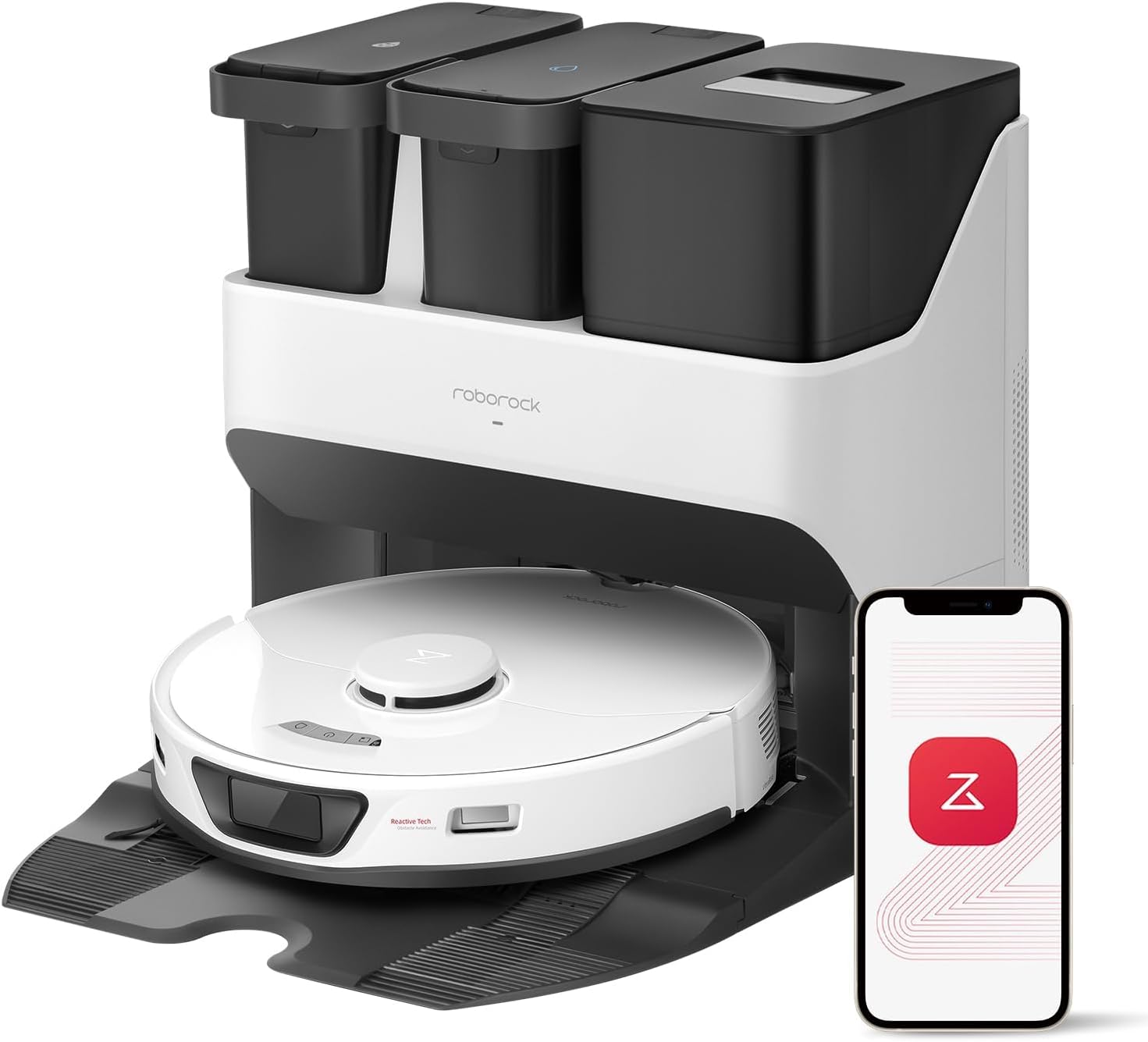
Why the Shark AI Ultra Alone Is Not Enough for a Glass Studio
Frit—crushed glass sized from 1F powder up to coarse #3—behaves more like silica sand than household dust. On sealed or unsealed studio concrete it bounces, embeds in micro-pores, and shears the bristles off traditional brush rolls. The original Shark AI Ultra uses a self-cleaning brushroll and a bagged self-empty base, which is fine for pet hair but undersized for shop dust. Three problems show up within a month of glassblowing use:
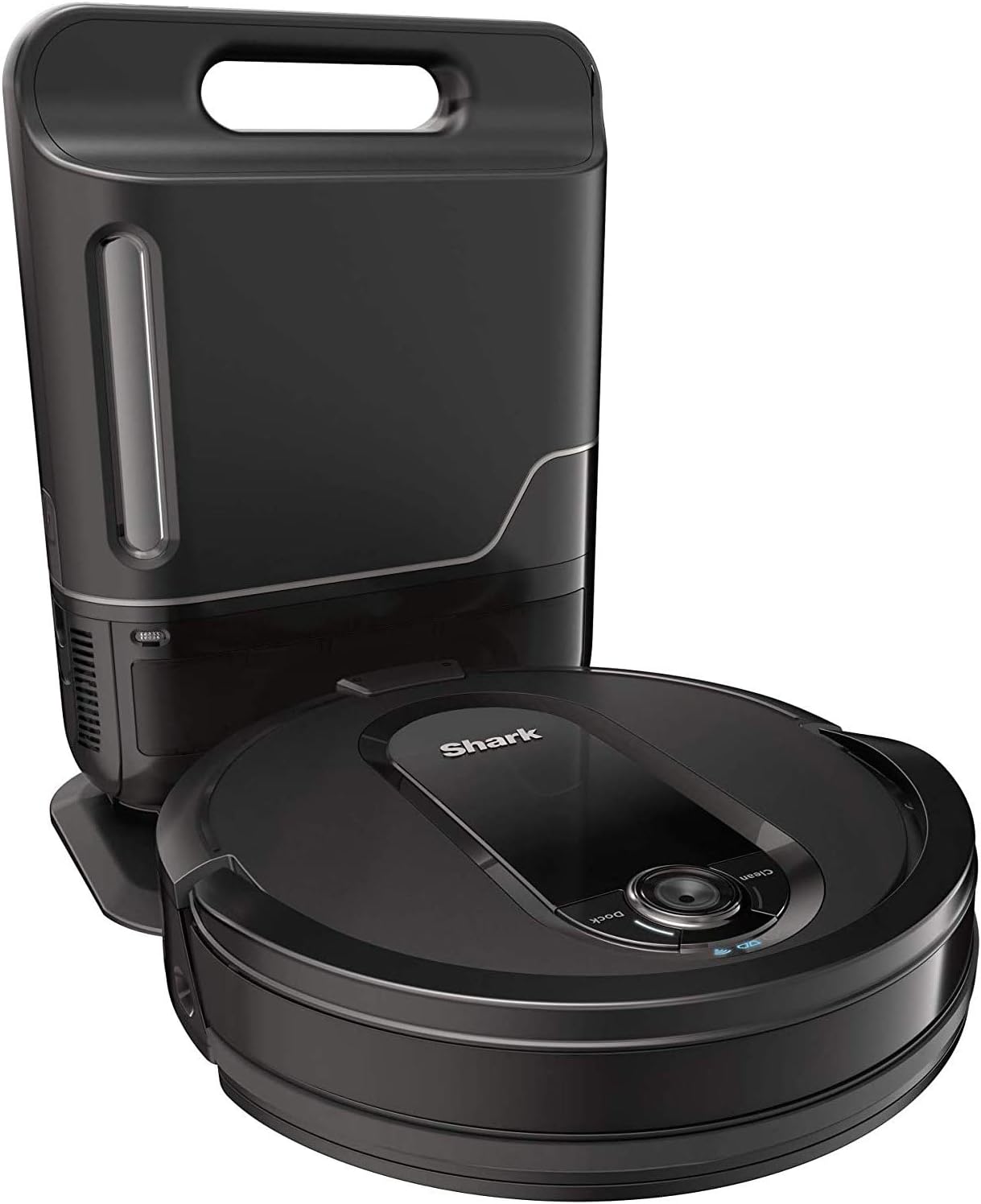
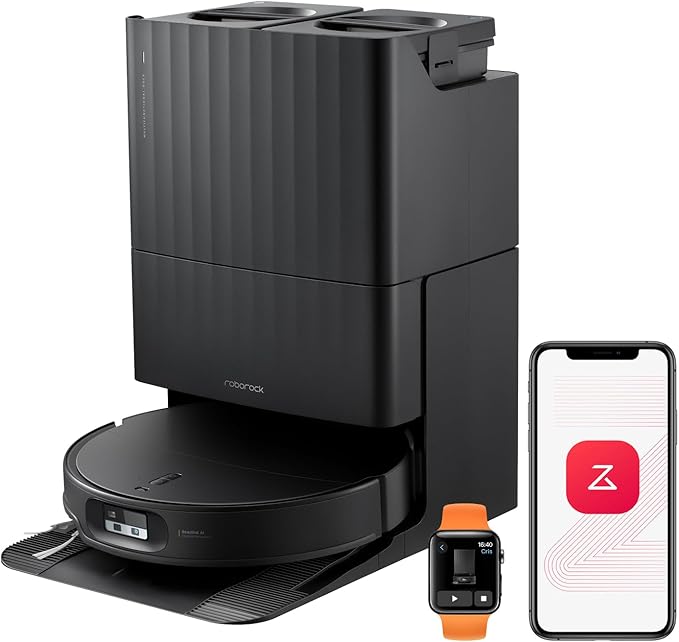
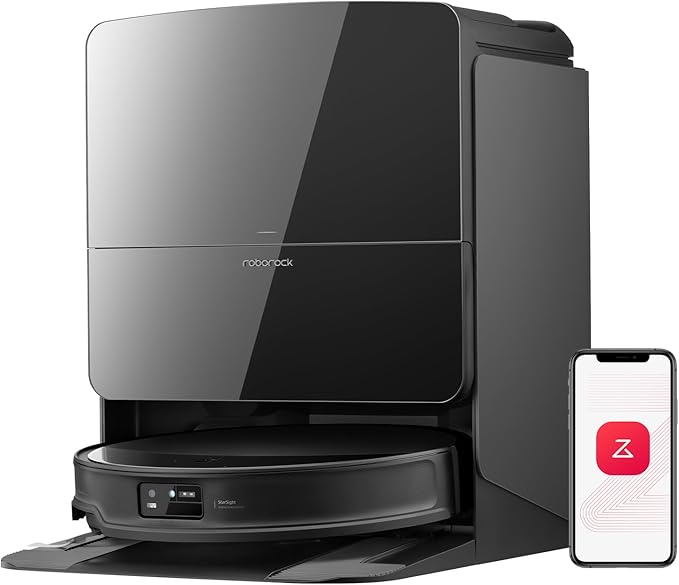
- Bag saturation. Glass dust is dense; a 60-day bag fills in 7-10 days in an active studio.
- Brush wear. Soft-bristle rollers fray on shards larger than 2mm.
- Wheel cuts. Stray murrini slices the rubber drive tires, especially on textured concrete.
That doesn't mean you should write off the Shark ecosystem—you just want the heavier-duty Shark, or a roborock built around hard-floor grit. The shark ai ultra for glassblowers question really becomes: which 2026 robot has the suction, brush material, and base station to survive a hot shop?
2026 Comparison: Best Robot Vacuums for Glassblowing Studios
| Model | Suction | Brush Type | Best For | Self-Empty |
|---|---|---|---|---|
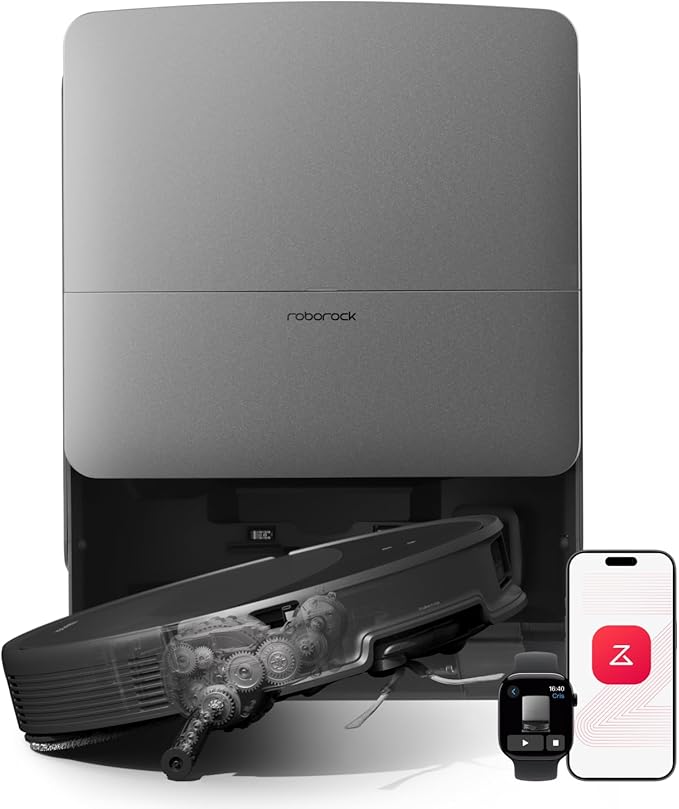
| roborock Saros 20 | 36,000 Pa | Dual anti-tangle rubber | Coarse frit, cullet, heavy grit | Yes, sealed bin + bag option |
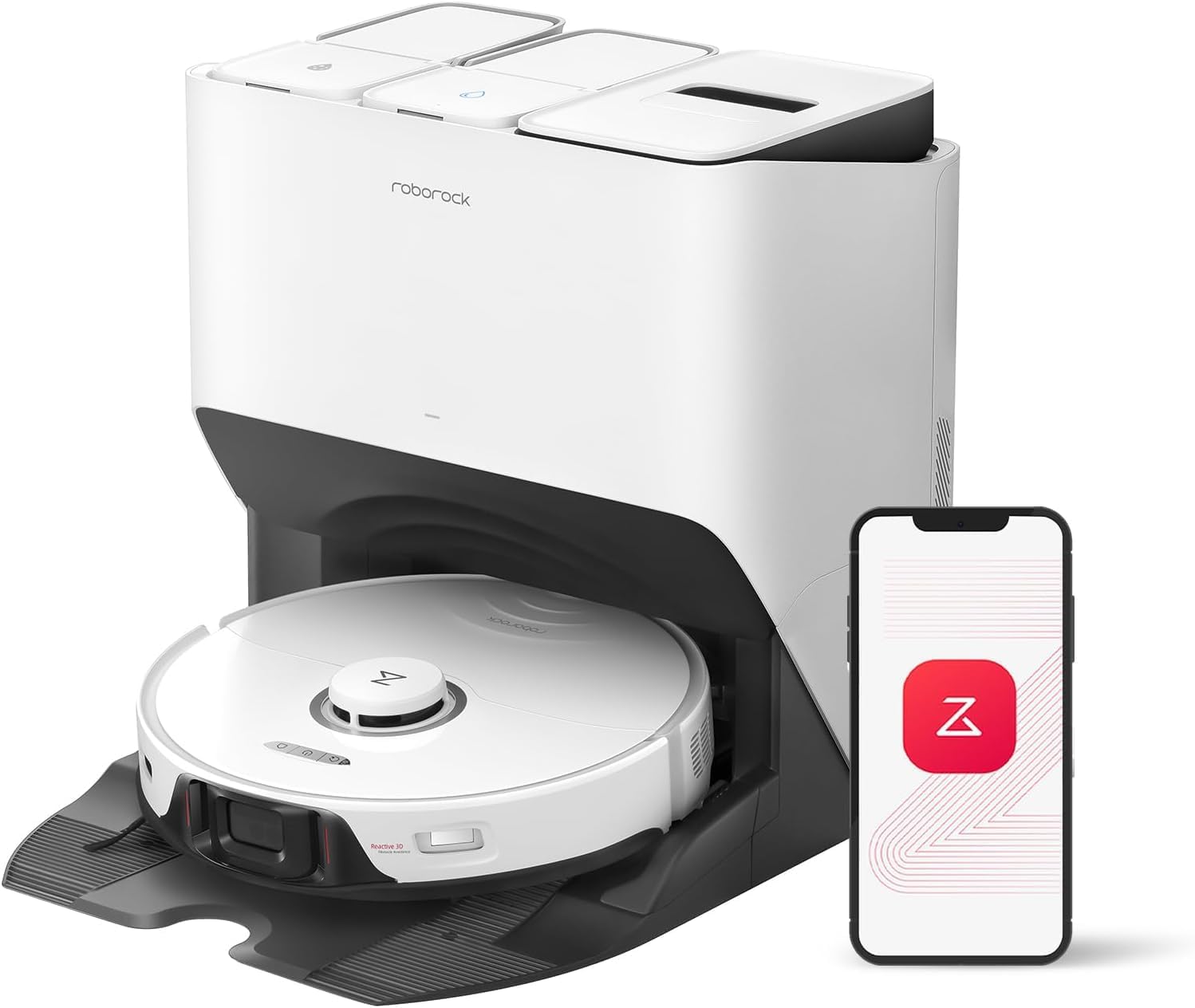
| roborock Saros 10R | 22,000 Pa | Zero-tangling rubber roller | Powder frit, fiberglass strands | Yes |
| Shark PowerDetect NeverTouch Pro | ~8,500 Pa (Shark rating) | Self-cleaning brushroll | Mixed studio + living space | Yes, NeverTouch base |
| roborock Qrevo Edge 2 | 25,000 Pa | Ultra-slim dual brush | Under kilns, benches, and marvers | Yes |
The Best Picks for Glassblowers in 2026
1. roborock Saros 20 — Best Overall for Frit and Cullet
If your studio floor sees coarse #2 and #3 frit, bits of broken punty, or dropped marvered chips, the Saros 20's 36,000 Pa peak suction is the single biggest reason to choose it. The dual anti-tangle rubber brushes lift sharp particles cleanly off rough concrete instead of grinding them into the pores, and the sealed dust path keeps fine silica out of the motor bearings—a real failure mode on cheaper bots in dusty shops. We also like that the base station can be run bagless for shops that want to dump shards directly into a sharps container. Check the Saros 20 on Amazon.
2. roborock Saros 10R — Best for Powder Frit and Fiberglass Insulation Dust
The Saros 10R's Zero-Tangling system is what you want if your studio also has stray kiln-blanket fibers, cut-off threads from glass weaving, or 1F powder frit that loves to wrap a traditional brushroll. Suction is lower than the Saros 20 at 22,000 Pa, but it is still well above any current Shark, and the slimmer puck height fits under most welding-style studio benches and annealer carts. It maps quickly, which matters when you rearrange a hot shop weekly. See the Saros 10R on Amazon.
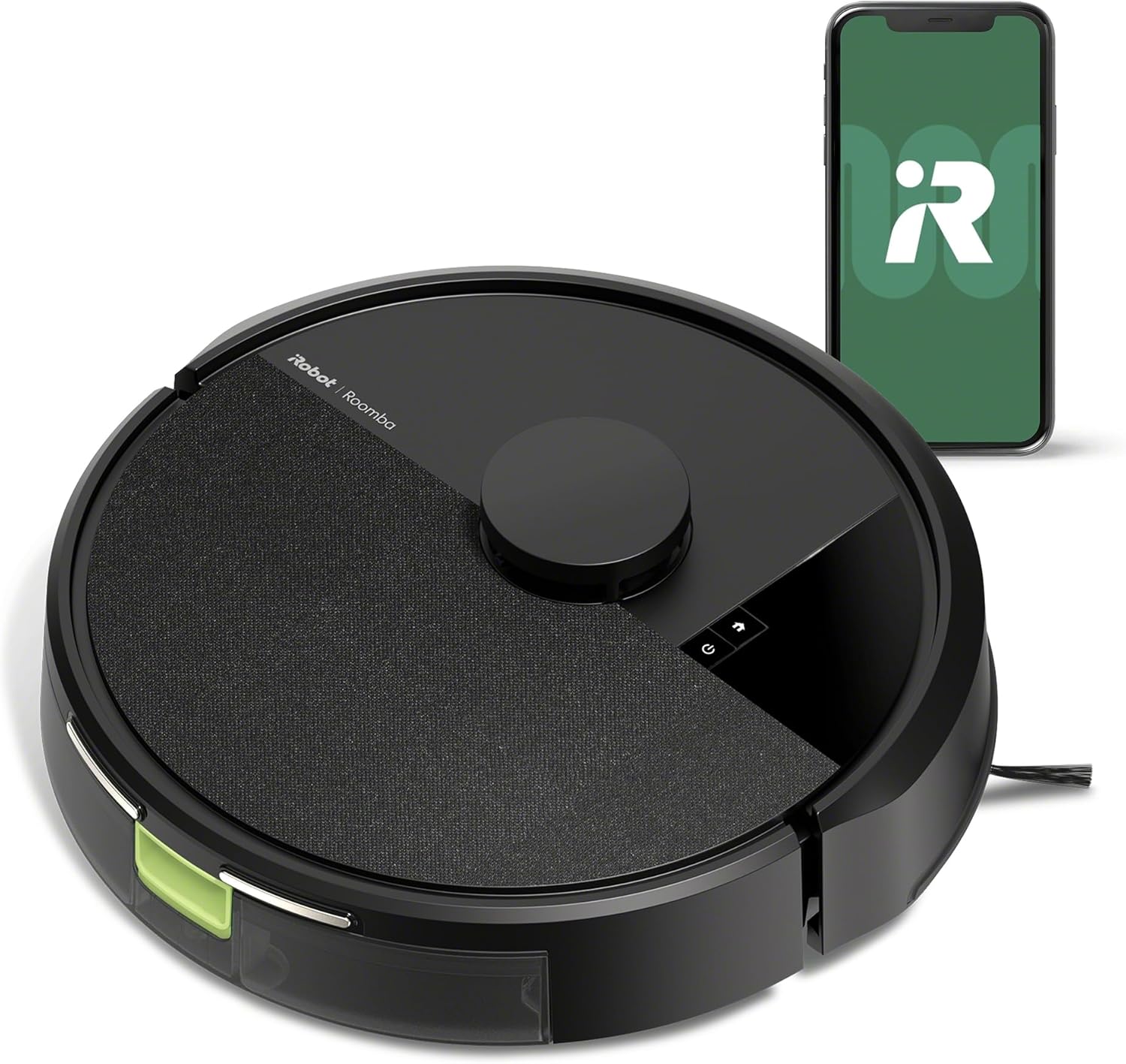
3. Shark PowerDetect NeverTouch Pro — Best Shark Upgrade Over the AI Ultra
If you specifically wanted a Shark—because you already own Shark accessories or just trust the brand—the PowerDetect NeverTouch Pro is the right step up from the AI Ultra. PowerDetect bumps suction on detected debris piles (a sweet spot for the random frit drift near a glory hole), the brushroll is more aggressive on hard floors, and the NeverTouch base station seals up dust so you aren't inhaling silica when emptying. This is the realistic answer to "shark ai ultra for glassblowers" if you want to stay in the Shark family. View the Shark PowerDetect NeverTouch Pro.
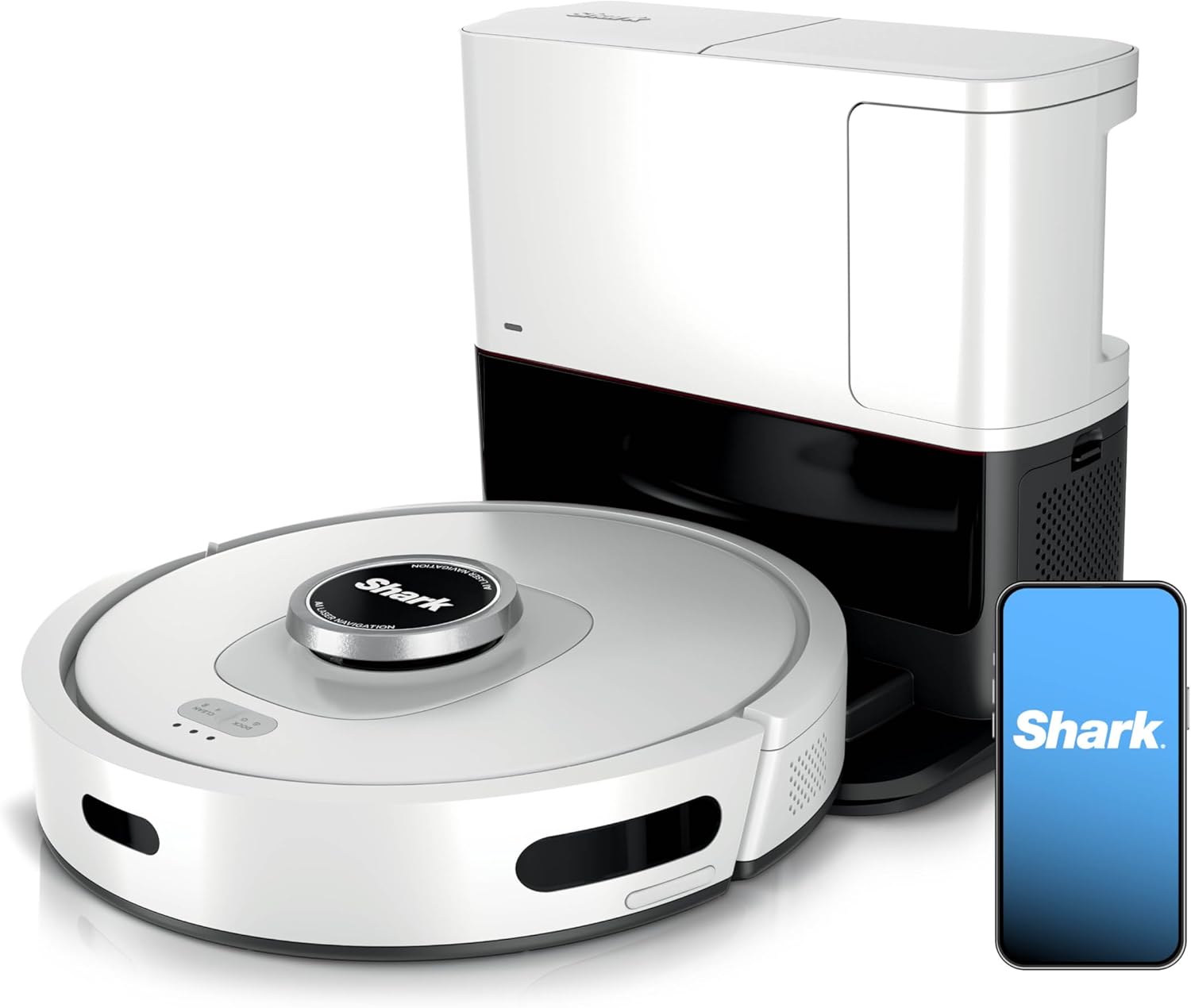
4. roborock Qrevo Edge 2 — Best Ultra-Slim for Under-Bench Cleanup
A glassblowing studio's worst dust traps are the dark zones under marvers, the gap behind the annealer, and the strip under the bench rail where you rest blowpipes. The Qrevo Edge 2 is one of the only 2026 robots low enough to fit under most studio benches while still pulling 25,000 Pa. Its dual side brushes are angled to reach edges, which is where shards collect after a session. Check the Qrevo Edge 2 on Amazon.
Setup Tips for Running Any Robot in a Glass Studio
Whatever you choose—Saros, Qrevo, or the upgraded Shark—run the robot only after the floor has cooled and any large cullet is swept up with a magnetic-bristle push broom. Robots are for the fine residual layer, not for chunks. Empty the bin or base bag into a sealed container (not your kitchen trash) because silica dust is a respiratory hazard. Schedule cleans at the end of the day after the studio HVAC has settled the airborne particulates, and replace the rubber rollers every 3-4 months on heavy-use floors. For more on respiratory-safe cleaning workflows, see our silica dust safety guide.
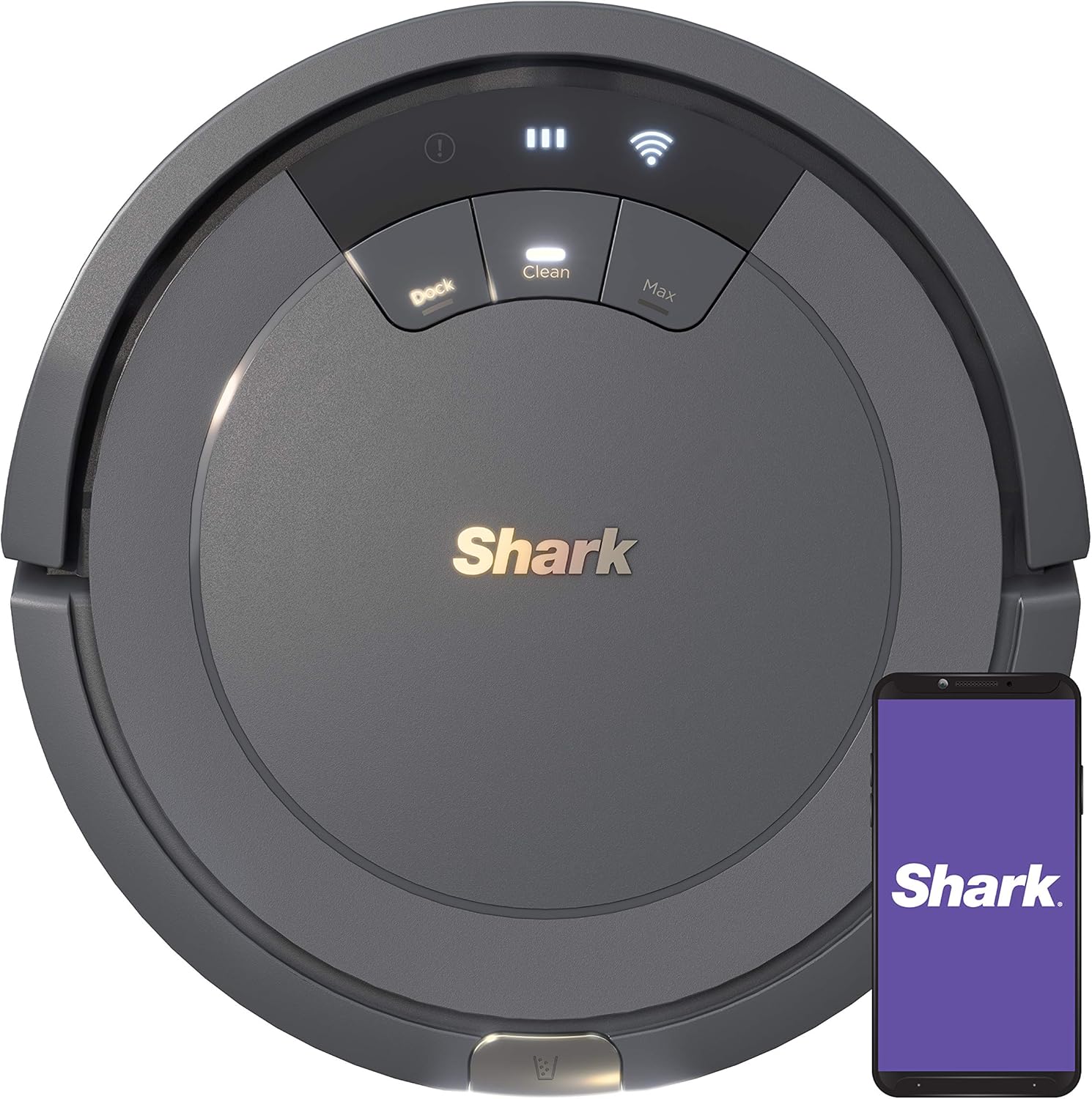
One last note on the original Shark AI Ultra: it is still a fine robot for the living-area side of your house, and a lot of glassblowers run two robots—a heavy-duty Saros 20 in the shop and an AI Ultra or PowerDetect upstairs. If that is your setup, just keep the brushrolls and bags separate so you aren't moving silica into your bedroom.
Frequently Asked Questions
Can the Shark AI Ultra actually pick up glass frit from concrete?
It can pick up powder frit and 1F dust on sealed concrete, but it struggles with anything coarser than #2 frit and will show brushroll wear within weeks. On unsealed or broom-finished concrete, the AI Ultra's brush bristles flatten and the bagged base fills too quickly. For a working studio, a higher-suction roborock or the Shark PowerDetect NeverTouch Pro is a better long-term call.
Will glass shards damage a robot vacuum's brushroll?
Yes, especially soft-bristle brushrolls. Glass at the frit-to-cullet size acts like coarse sandpaper. Choose a robot with all-rubber or anti-tangle blade brushes (Saros 20, Saros 10R, Qrevo Edge 2) and inspect the roller weekly. Even rubber rollers wear, but they survive 4-6x longer than bristle rolls in a glass studio.
Is it safe to vacuum silica dust with a robot vacuum?
Only if the robot has a sealed dust path and a HEPA-grade filter, and only if you wear a respirator while emptying the bin. The Saros 20 and Qrevo Edge 2 both seal the dust path; the Shark PowerDetect NeverTouch Pro empties into a sealed bag at the base, which is the lowest-exposure option. Never empty any robot bin indoors without PPE.
What suction Pa do I actually need for a glassblowing studio?
For sealed concrete with powder frit, 18,000 Pa is the practical floor. For broom-finished concrete with coarse frit or cullet, target 25,000 Pa or more. The Saros 20's 36,000 Pa is overkill for daily dust but valuable on session cleanup after a heavy pour or fuming day.
Should I get a robot mop combo for a glassblowing studio?
Generally no—do not run the mop function until you're certain all shards are vacuumed up, because mop pads will grind glass into the floor and into the pad itself. If you want mopping for the cold shop or office area, use a model where the mop can be physically removed (Saros 10R) and reserve mopping for non-studio rooms.
Is the Shark PowerDetect NeverTouch Pro better than the AI Ultra for shop use?
Yes. PowerDetect adapts suction when it sees debris piles, which is exactly the pattern you get around a glassblower's bench. The NeverTouch base also seals dust better than the AI Ultra's older bag system. If you want to stay in the Shark family, this is the upgrade to make.
How often should I run the robot in an active glass studio?
Run it after every session, with a deeper scheduled clean at the end of the workweek. Daily short runs prevent frit from being tracked into living areas on shoes, and they keep brushroll wear distributed. Always sweep up large cullet by hand first—robots are finishers, not primary cleanup tools in a hot shop.
Key Takeaways
- Choosing the right shark ai ultra for glassblowers means matching capacity and output ports to your actual devices
- Always check actual watt-hours (Wh), not just watts — runtime depends on Wh, not peak output
- Also covers: robot vacuum glass frit shards
- Also covers: glassblowing studio floor cleaner
- Also covers: concrete studio robot vacuum
- Compare price-per-Wh across models to find the best value for your budget