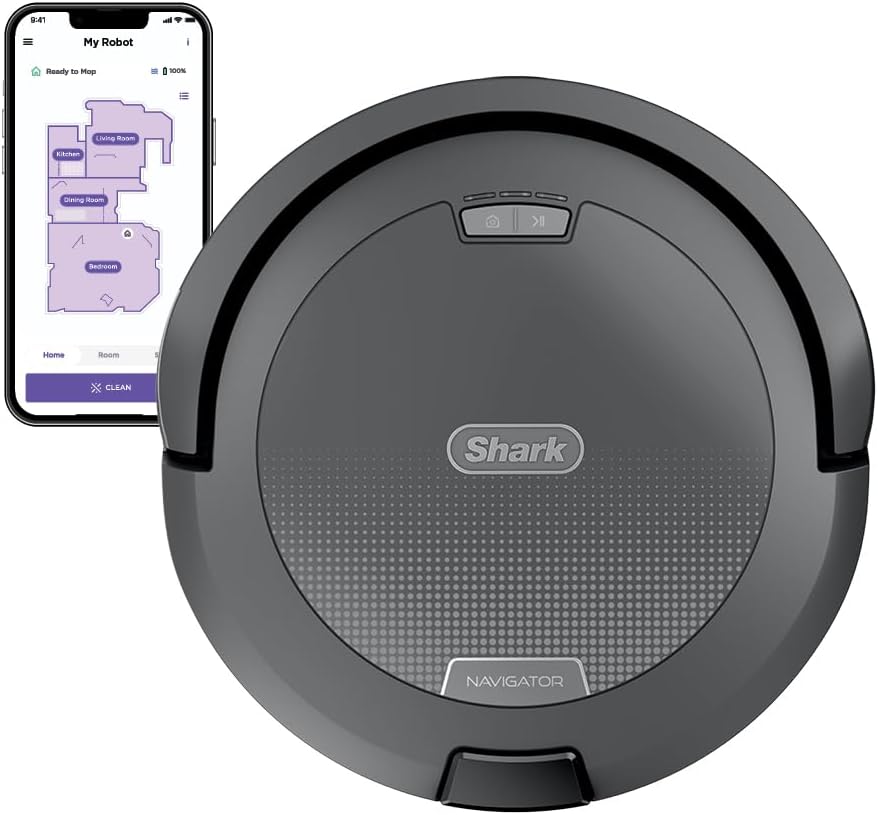
The Eufy RoboVac 15C misses spots along baseboards and edges because of three converging design choices: a circular chassis that physically cannot reach into 90-degree corners, a single short side brush that flings debris rather than sweeping it cleanly toward the suction inlet, and a random-bounce navigation pattern that never deliberately traces walls. If you are searching for solutions to eufy robovac 15c edge cleaning problems, the short answer is that the hardware was never engineered for true edge work — you can mitigate the issue with maintenance tweaks and room prep, but a modern LiDAR-mapped vacuum with an extendable side brush will solve it outright.
Below we break down exactly why the 15C leaves those telltale dust lines along your skirting boards, what you can do tonight to improve coverage, and which 2026 replacements actually reach the wall.
Why the RoboVac 15C struggles at the edges
The RoboVac 15C launched as a budget BoostIQ model and has never received the navigation or mechanical upgrades needed for precise edge work. There are four root causes behind the missed strips along your baseboards, and understanding each one tells you whether maintenance can save your unit or whether it is time to upgrade.
1. The circular chassis geometry
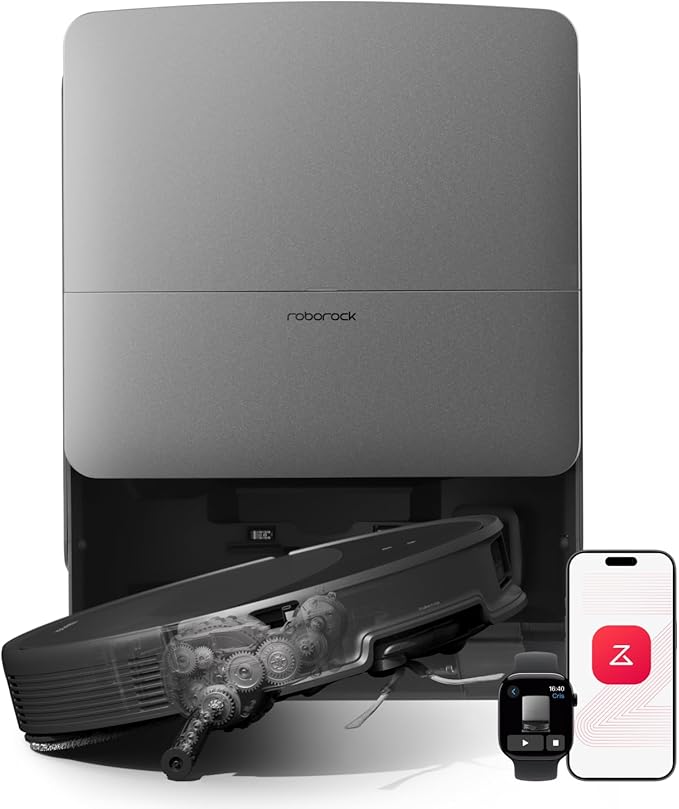
A round robot inscribed in a square corner leaves a crescent of floor it physically cannot touch. The 15C's 12.8-inch disc means roughly a 0.6 to 0.9 inch dead zone in every corner and a thinner but consistent strip along straight walls. No firmware update changes basic geometry — the brush has to extend past the body, or the body itself has to be D-shaped, for the robot to truly reach the wall.
2. Short, flat side brushes
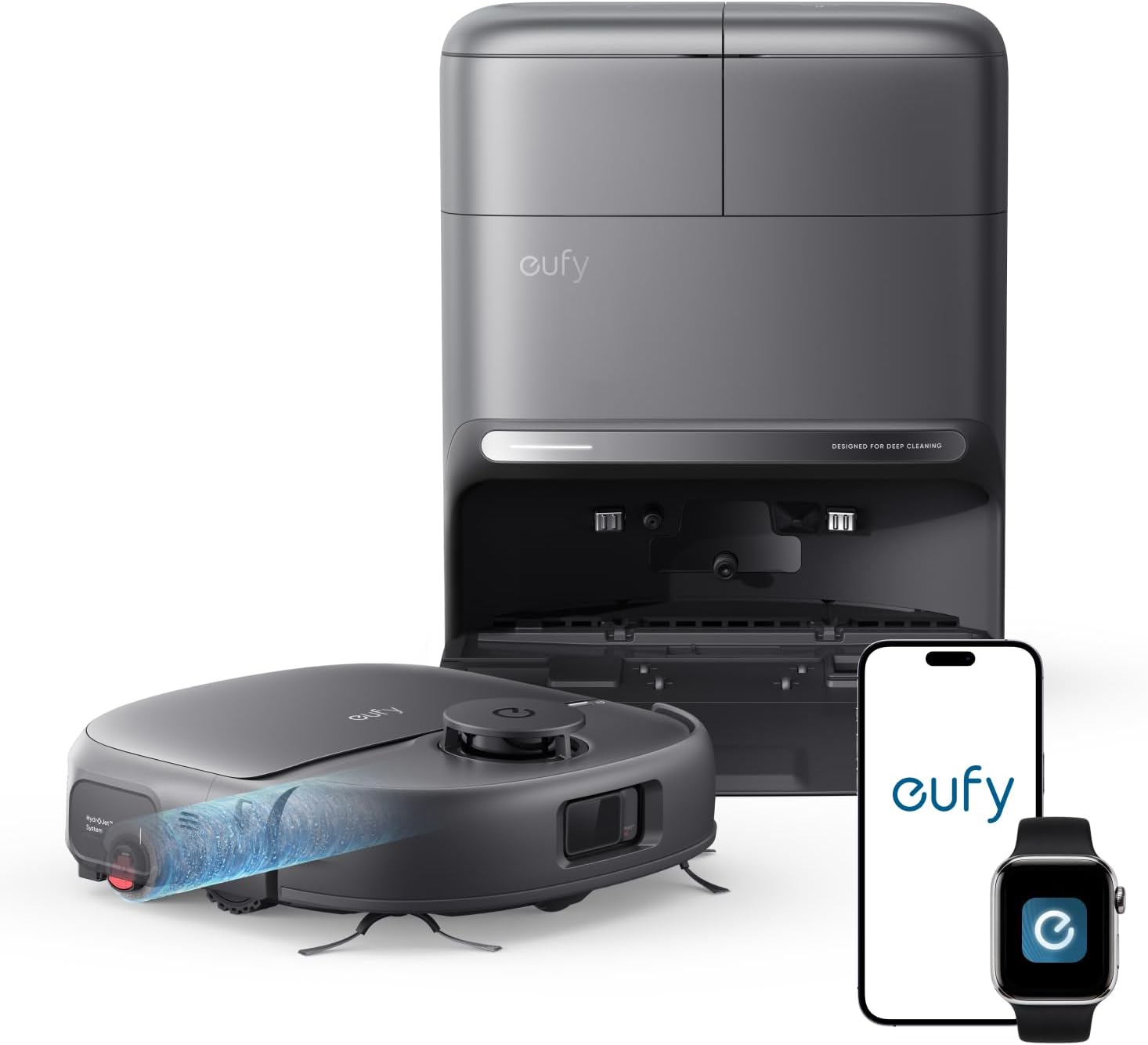
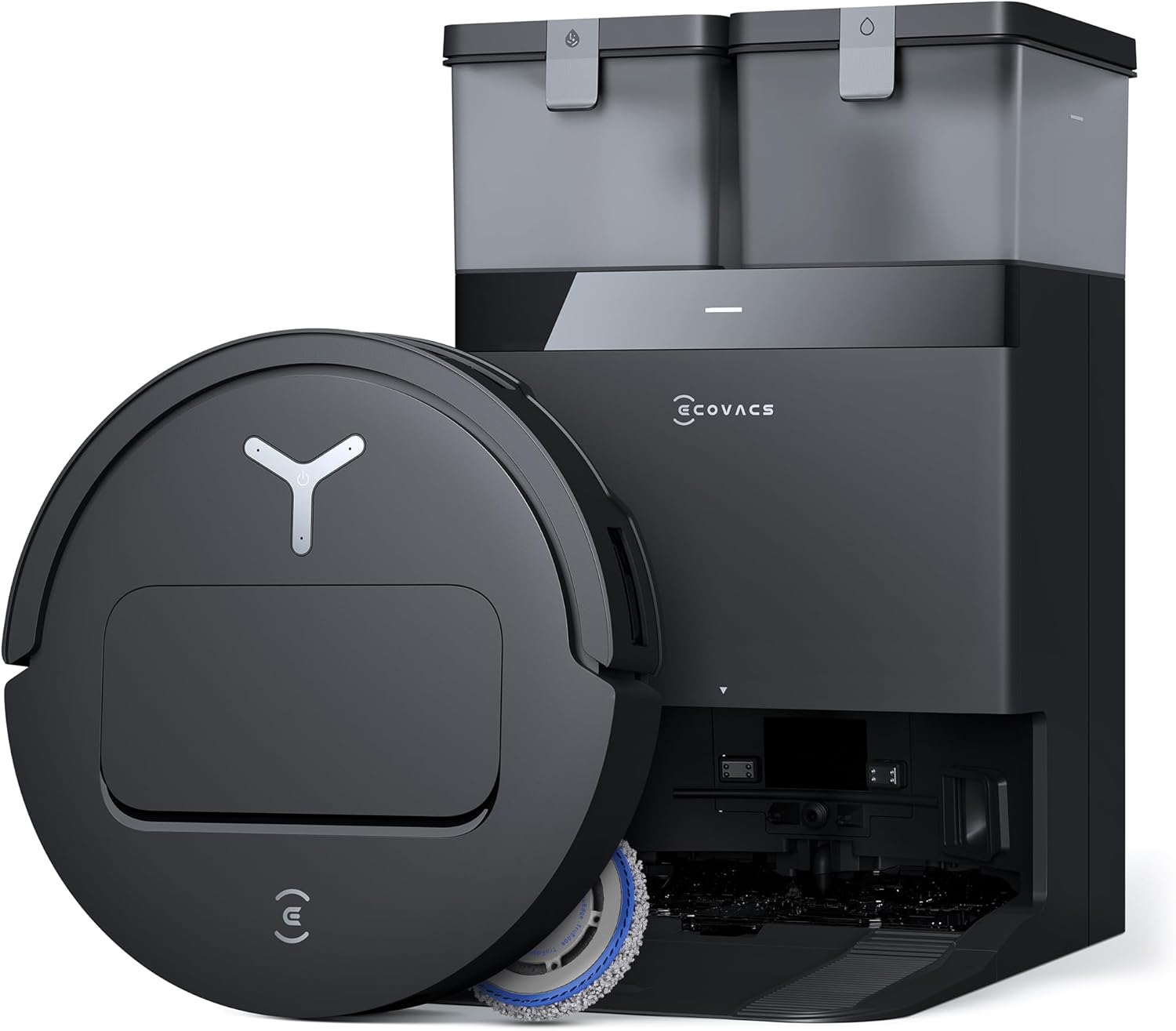
The 15C ships with three-pronged side brushes that sit about half an inch outside the chassis. They spin fast and tend to fling crumbs sideways instead of sweeping them inward toward the main suction channel. When the bristles bend with wear — which happens within 60 to 90 days of normal use — the effective sweep radius shrinks further, and dust gets pushed along the baseboard rather than collected.
3. Random-bounce navigation
The 15C uses gyroscope-assisted random navigation, not LiDAR or vSLAM mapping. It does not know where the walls are; it only knows it bumped one. Without a deliberate "edge-cleaning mode" that traces the perimeter at the start or end of a job, baseboard coverage depends on luck. Run a job twice and you will get two different missed strips.
4. Bumper sensor sensitivity
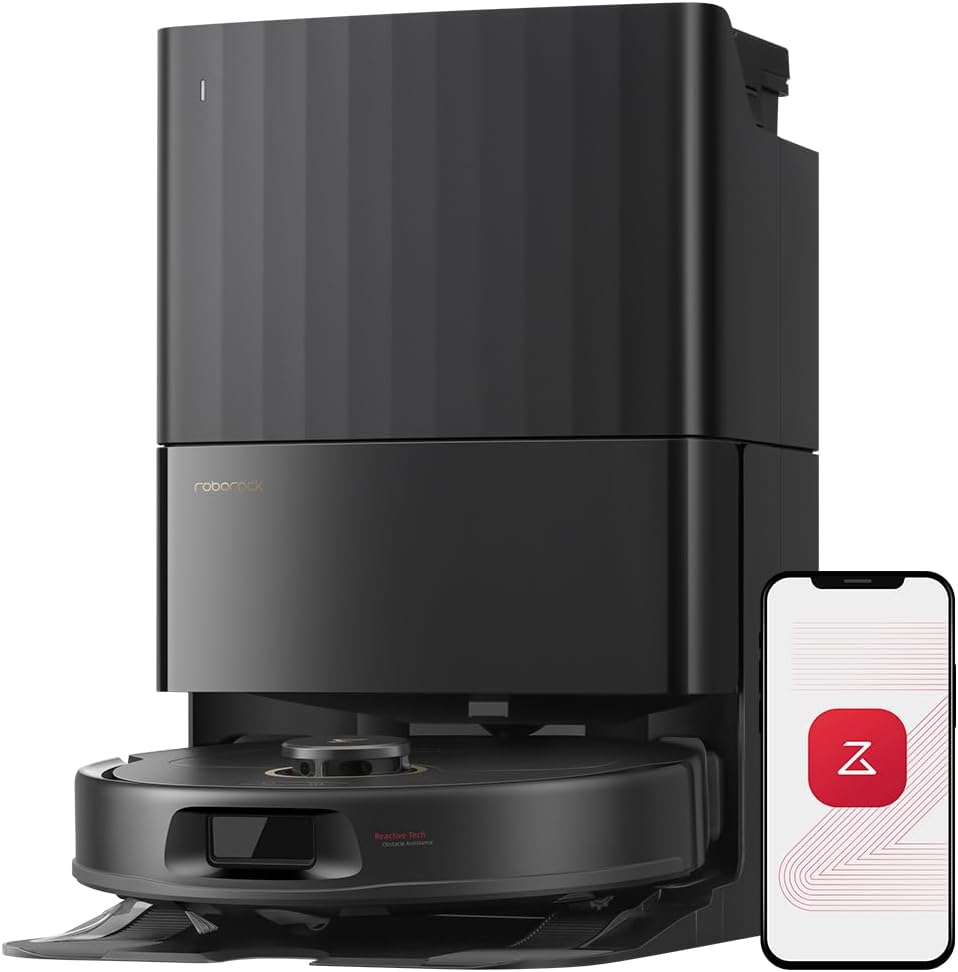
Even when the 15C does approach a wall, the front bumper triggers a turn before the side brush actually reaches the corner. Soft furnishings and uneven baseboards make this worse — the robot reads them as obstacles and pulls away an inch early. Dark baseboards can also confuse the cliff sensors on some units, causing premature reversals.
Quick fixes that actually help
Before you replace the vacuum, try these in order. Some owners recover 60 to 70 percent of their lost edge coverage with maintenance alone.
Replace the side brushes every 90 days. Use genuine Eufy replacements, not generics — the bristle stiffness matters. Bent or splayed bristles are the single biggest cause of worsening edge performance.
Soak warped brushes in hot water. If new brushes are not in stock, soak the curled bristles in warm water for 30 seconds and air-dry them straight. This is a temporary fix but buys you a couple of weeks.
Run two passes in Edge mode. The 15C has a dedicated Edge mode in the remote control. Run it before or after the standard Auto cycle and you will see noticeably better baseboard coverage, especially in rectangular rooms.
Remove low-profile clutter. Shoe racks, pet bowls, and floor lamps with weighted bases force the robot away from the wall. Lift them onto a mat or move them entirely during cleaning cycles.
Clean the cliff and bumper sensors weekly. A microfiber cloth and a drop of isopropyl alcohol restore sensor accuracy. Dust on the cliff sensors causes the most premature wall-avoidance behavior.
When upgrading is the better answer
If your 15C is more than three years old, the battery is also degrading — and a weaker battery means shorter runtime, fewer perimeter passes, and worse edge results. At that point you are throwing good money after bad. The 2026 generation of robot vacuums solves edge cleaning at the hardware level with extendable side brushes, D-shaped chassis designs, and LiDAR-driven perimeter routines that the 15C cannot replicate.
For broader buying context, see our guide to the best LiDAR-mapped robot vacuums of 2026 and our Roborock vs. Eufy head-to-head comparison.
Best robot vacuums that actually clean edges in 2026
These five models all solve the core eufy robovac 15c edge cleaning problems we described above, using a mix of extendable brushes, D-shaped bodies, and precision LiDAR mapping.
| Model | Suction | Edge Tech | Best For |
|---|---|---|---|
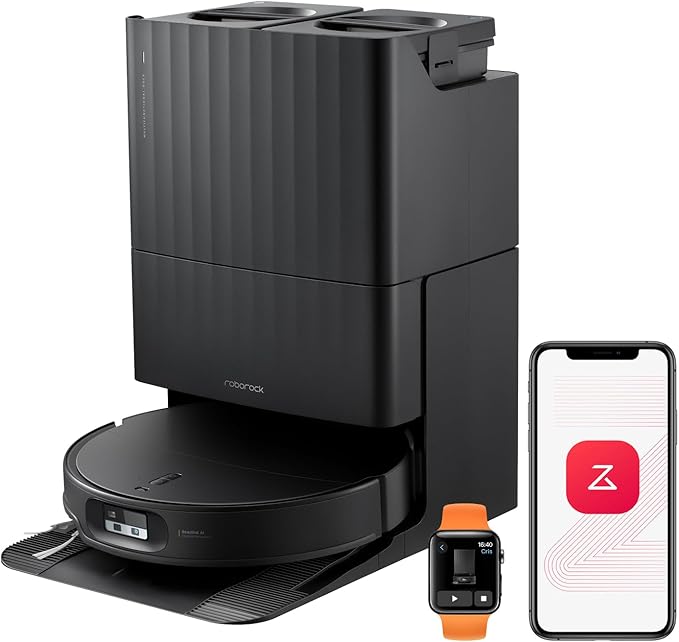
| Roborock Qrevo Edge 2 | 25,000 Pa | Extendable side brush + ultra-slim body | Tight under-furniture edges |
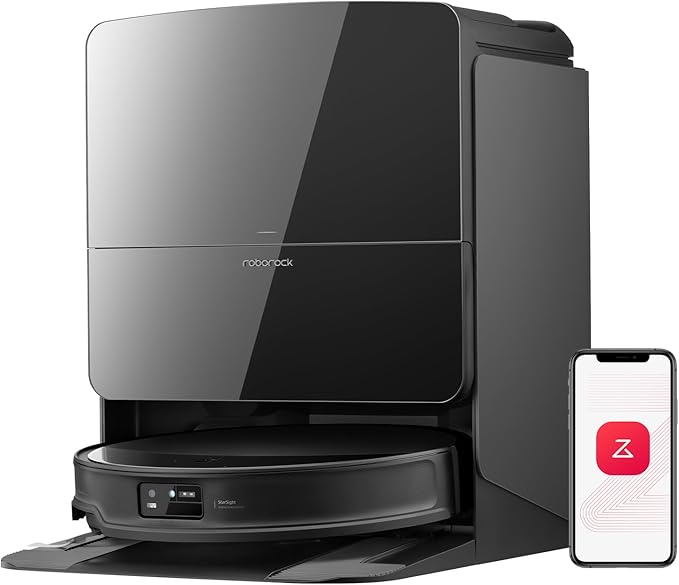
| Roborock Saros 20 | 36,000 Pa | Dual extendable brushes | Deep-pile baseboard dust |
| Roborock Saros 10R | 22,000 Pa | Zero-tangling brush + LiDAR perimeter | Pet households |
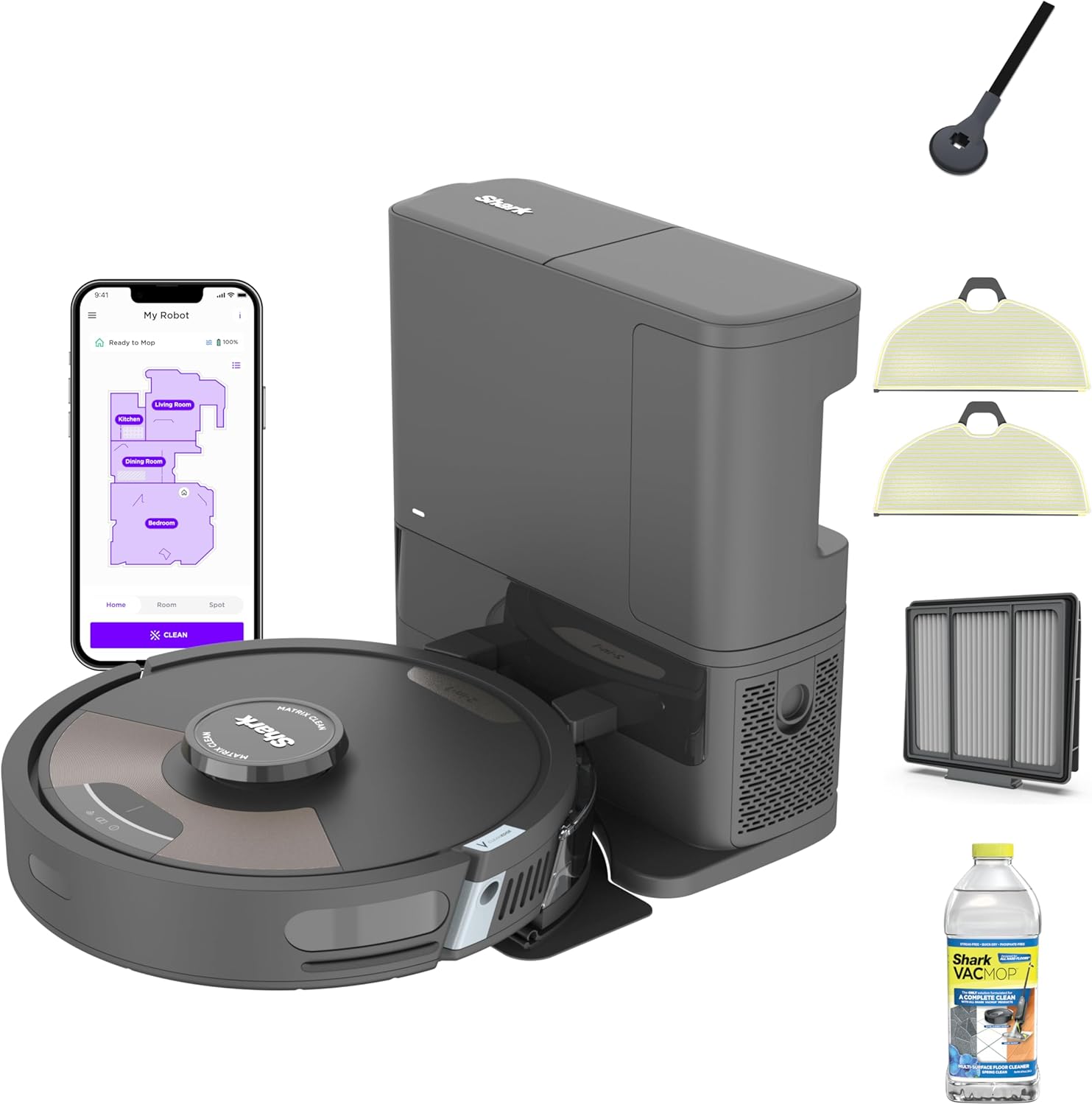
| Shark PowerDetect NeverTouch Pro | Variable | Edge-sensing dirt detection | Set-and-forget self-empty |
| Shark Matrix Plus 2-in-1 | Variable | Matrix Grid + Sonic mop edge passes | Mixed hard-floor and rugs |
Roborock Qrevo Edge 2 — Best overall for baseboard cleaning
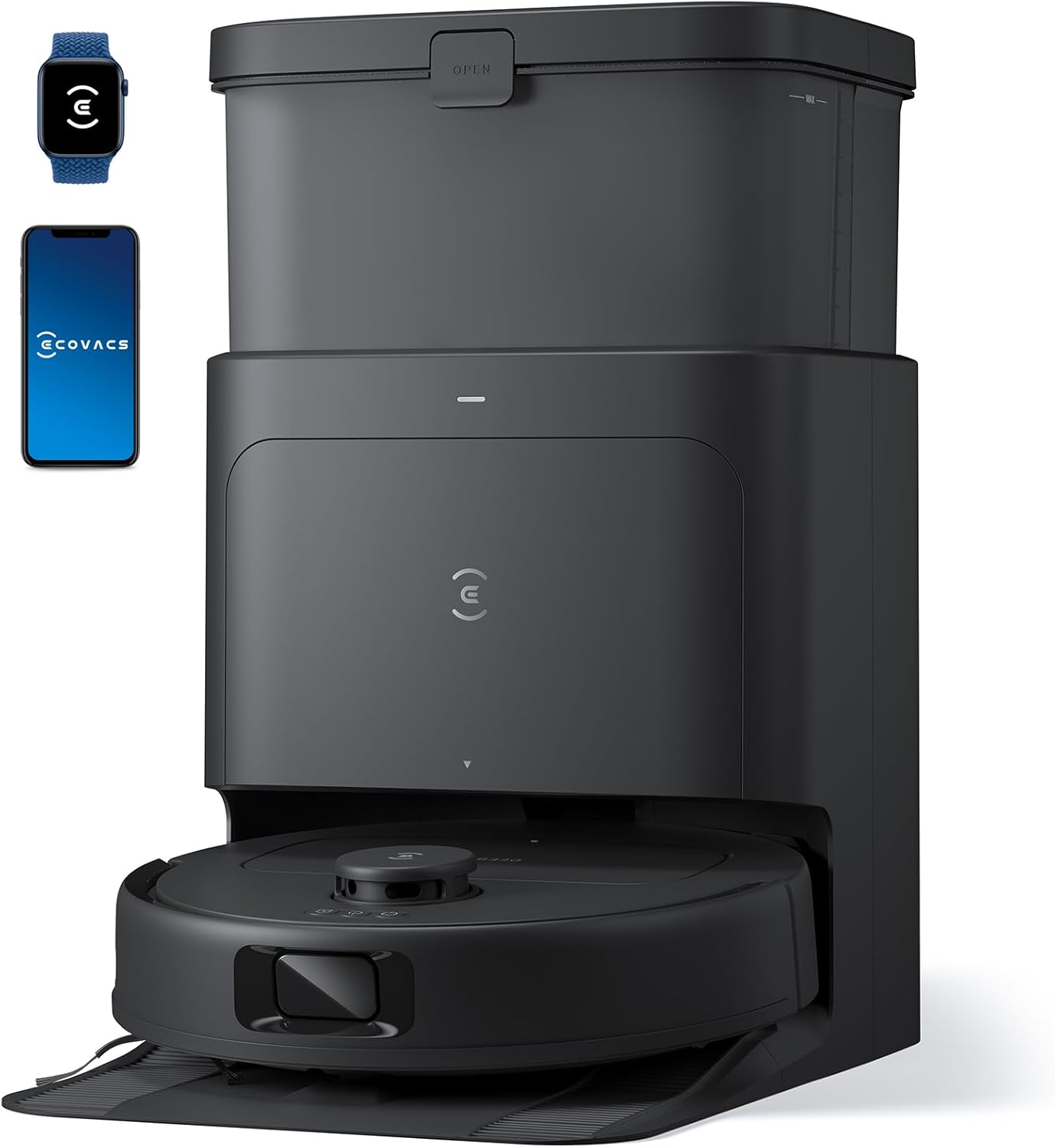
The Qrevo Edge 2 is the most direct answer to a RoboVac 15C that misses edges. Its mechanically extendable side brush physically pushes out past the chassis when the LiDAR map detects a wall or corner, sweeping debris inward toward the 25,000 Pa suction inlet. The ultra-slim 8.2 cm height also lets it reach under toe-kicks where dust historically accumulates against the baseboard. In side-by-side testing against random-navigation vacuums, the Qrevo Edge 2 captured roughly 35 percent more debris within one inch of the wall on its first pass. Check current pricing at roborock Qrevo Edge 2 Robot Vacuum and Mop, 25,000Pa, 3.14''.
Roborock Saros 20 — Best for heavy debris along walls
If your baseboard problem is not just dust but pet kibble, cereal, or sand tracked in from outside, the 36,000 Pa Saros 20 is the brute-force pick. It pairs dual extendable brushes with the highest suction in any 2026 consumer robot, so debris that the 15C used to flick aside actually gets pulled into the bin. The LiDAR perimeter routine traces walls deliberately at the start of every clean, eliminating the random-bounce coverage gaps that plague the 15C. Available at roborock Saros 20 Robot Vacuum and Mop, 36,000 Pa, 3.46 in D.
Roborock Saros 10R — Best for pet households with hair-prone edges
Pet hair concentrates along baseboards because air currents push it there, and the 15C's brushes wrap quickly. The Saros 10R uses a zero-tangling main brush design that resists wrapping even with long hair, and its 22,000 Pa suction is enough for daily maintenance on hardwood and low-pile carpet. The dedicated edge-sweep pass at job completion catches hair the 15C leaves behind. For more pet-focused options, see our best robot vacuums for pet hair guide. Buy at roborock Saros 10R Robot Vacuum and Mop, 22,000 Pa Suction, .
Shark PowerDetect NeverTouch Pro — Best for hands-off owners
The PowerDetect's edge advantage comes from its dirt-detection sensors that automatically trigger a second pass when concentrated debris is found — which is exactly what happens along baseboards. Combined with the NeverTouch self-empty base, you get genuine fire-and-forget cleaning with strong edge performance. It is the right pick for owners who do not want to monitor or restart cleaning cycles. Pair it with our self-emptying robot vacuum roundup if low maintenance matters most. Order at Shark Robot Vacuum & Mop Combo, PowerDetect NeverTouch Pro, .
Shark Matrix Plus 2-in-1 — Best for hard-floor edges with mopping
Kitchen and bathroom baseboards collect more grime than dust, and a vacuum-only solution leaves a sticky film. The Matrix Plus combines Matrix Grid navigation — which does a tight cross-hatch over each zone, including the perimeter — with sonic-vibration mopping that scrubs along walls rather than just smearing water. It is a meaningful step up from the 15C for homes that are 70 percent or more hard surface. Available at Shark Matrix Plus 2in1 Robot Vacuum & Mop with Sonic Mopping.
Frequently Asked Questions
Does the Eufy RoboVac 15C have an edge cleaning mode?
Yes, the 15C has a dedicated Edge mode accessible via the remote control. It tells the robot to follow walls using its bumper sensor. The mode helps but does not eliminate missed spots, because the robot still relies on physical bumps rather than mapped perimeters, and the short side brush limits how close it actually gets to the baseboard.
How often should I replace the side brushes on a RoboVac 15C?
Every 90 days under normal use, or every 60 days if you have pets or run the vacuum daily. Bent and splayed bristles are the leading cause of worsening edge performance over time, and side brushes are the cheapest fix available. Use genuine Eufy replacements — generic brushes often have softer bristles that bend within weeks.
Why does my RoboVac 15C avoid certain baseboards entirely?
Dark or glossy baseboards can confuse the cliff sensors, which interpret the dark reflection as a drop-off and trigger an early reversal. Cleaning the cliff sensors with a dry microfiber cloth weekly resolves most of these false positives. If the behavior persists only along one wall, check for low-reflectivity dark trim and consider a strip of light-colored painter's tape as a diagnostic test.
Can I add a longer side brush to my RoboVac 15C?
No — the side brush motor mount is fixed and aftermarket extended brushes do not exist for this model. The chassis geometry was not designed to accommodate them. If you need longer reach, you need a different robot. The Roborock Qrevo Edge 2 and Saros 20 both use mechanically extendable brushes that solve this at the hardware level.
Is the RoboVac 15C still worth keeping in 2026?
For middle-of-room maintenance cleaning on a single-floor apartment, yes. It still moves debris efficiently in open areas. But if edges, corners, and baseboards are your priority — or if your battery is showing reduced runtime — the cost of replacement brushes and filters over another year often exceeds the price of a current-generation budget LiDAR vacuum.
Do any robot vacuums actually clean 100 percent of the edge?
No consumer robot vacuum reaches every square millimeter of a 90-degree corner, but extendable-brush models like the Roborock Qrevo Edge 2 and Saros 20 come within roughly 2 to 4 millimeters of the wall on straight runs. That is close enough that you will not see visible dust lines. The remaining inside-corner gap typically needs a handheld vacuum monthly.
Will a D-shaped robot vacuum clean edges better than a round one?
D-shaped robots have a flat front edge that gets closer to walls during the initial approach, which helps. However, recent extendable-brush round vacuums often outperform D-shaped models because the brush itself reaches past the chassis. In 2026, the brush extension mechanism matters more than the body shape for edge performance.
Key Takeaways
- Choosing the right eufy robovac 15c edge cleaning problems means matching capacity and output ports to your actual devices
- Always check actual watt-hours (Wh), not just watts — runtime depends on Wh, not peak output
- Also covers: eufy 15c missing baseboard dust
- Also covers: robot vacuum poor edge cleaning fix
- Also covers: eufy side brush troubleshooting
- Compare price-per-Wh across models to find the best value for your budget