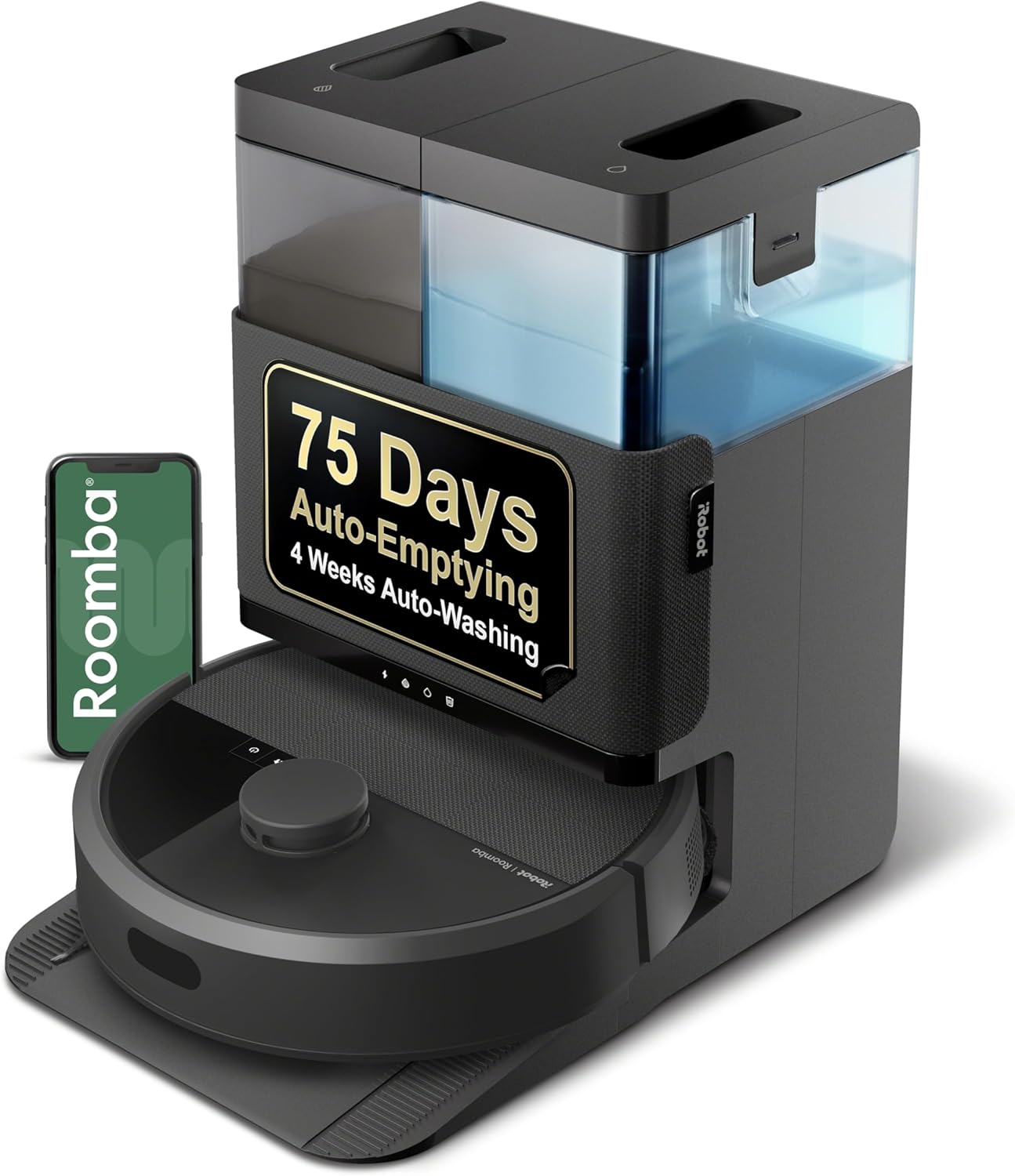
If your Narwal Freo X Ultra keeps freezing mid-clean over dark tile or hardwood seams, you are dealing with the well-documented narwal freo x ultra dark grout cliff sensor issue. The robot's downward-facing infrared cliff sensors interpret dark, low-reflectance surfaces (deep grout lines, black hex tile, espresso-stained planks) as the absence of a floor, triggering the same emergency stop logic designed to keep it from tumbling down stairs. The fix is rarely a hardware defect. In most homes you can resolve it in under fifteen minutes by cleaning the sensor windows, recalibrating the floor map, lowering cliff sensitivity in the Narwal app, or masking the problem grout with virtual no-go zones. When none of that sticks, the long-term answer is switching to a robot with LiDAR-assisted or dual-band cliff detection that ignores color and judges depth instead.
Why dark grout confuses the Freo X Ultra in the first place
Almost every consumer robot vacuum uses cheap, fast infrared time-of-flight sensors on the underside to detect drop-offs. They fire an IR pulse at the floor and measure how much light bounces back. Light-colored tile, oak, vinyl plank, and beige carpet all reflect more than 60% of that pulse, so the robot reads them as "floor." A 1/4-inch wide grout joint that has been sealed in charcoal, slate gray, or true black absorbs almost all of the IR signal. To a sensor that can't see color, that black line looks identical to a staircase edge.
The Narwal Freo X Ultra is particularly sensitive because Narwal tuned its cliff threshold conservatively after early 2024 firmware complaints about robots falling off split-level landings. That conservative tune is exactly why owners of homes with dark herringbone, hex penny tile, or wide-joint slate now see the robot stop, reverse, beep, and ask to be carried back to the dock. The narwal freo x ultra dark grout cliff sensor issue is firmware behavior working as designed for the wrong floor.
Quick fixes you can try tonight
1. Wipe the cliff sensor windows
Flip the robot over. You will see four to six small black windows in a ring around the perimeter. Dust, dried mop water, and pet hair on those windows scatter IR and effectively darken every floor underneath. Use a dry microfiber and a cotton swab dampened with isopropyl alcohol. Roughly 30% of "sudden" cliff errors disappear after a proper cleaning, especially on robots more than three months old.
2. Recalibrate the floor in the app
Open the Narwal Freo app, choose your map, tap the affected room, and run Re-scan Floor. This forces the robot to take fresh baseline reflectivity readings of the room while it is on the actual floor instead of relying on cached values from the original setup run that may have happened on cleaner, brighter tile.
3. Lower cliff-detection sensitivity
Under Settings → Cleaning Preferences → Cliff Sensor, Narwal exposes Low / Medium / High. The default is High. Drop it to Medium first. Only move to Low if you have zero actual stairs or step-downs on the floor the robot can reach, because Low genuinely will let it drive off a landing.
4. Paint virtual walls over the worst joints
If your kitchen has one band of dark grout running under the island that triggers the error every time, draw a thin no-go strip directly over it in the app. You will lose a 6-inch wide cleaning lane but keep 100% of the rest of the floor in rotation.
5. Update to the latest firmware
Narwal pushed firmware 1.3.7 in early 2026 that adds a "dark floor learning" pass on the first three runs in a new room. It is not a complete fix, but several owners on the Narwal subreddit report the cliff false-positives dropping by more than half after the update finished applying.
When to stop troubleshooting and switch robots
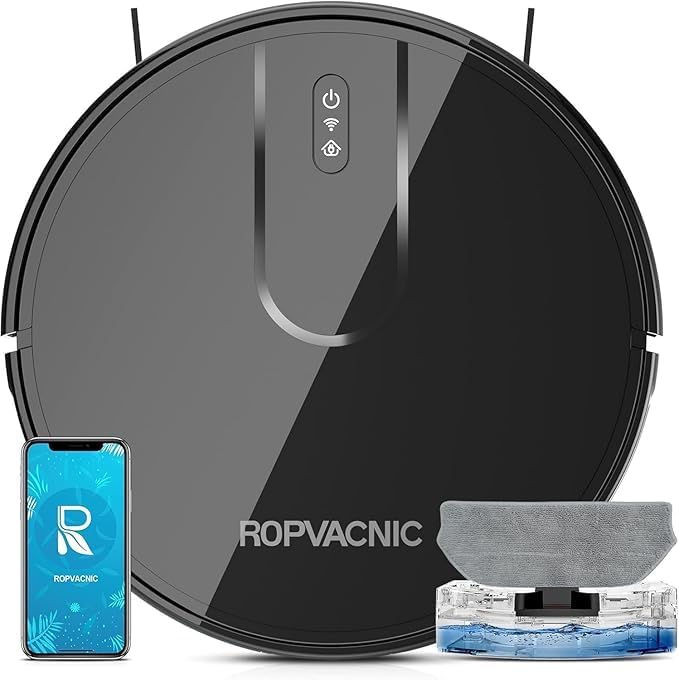
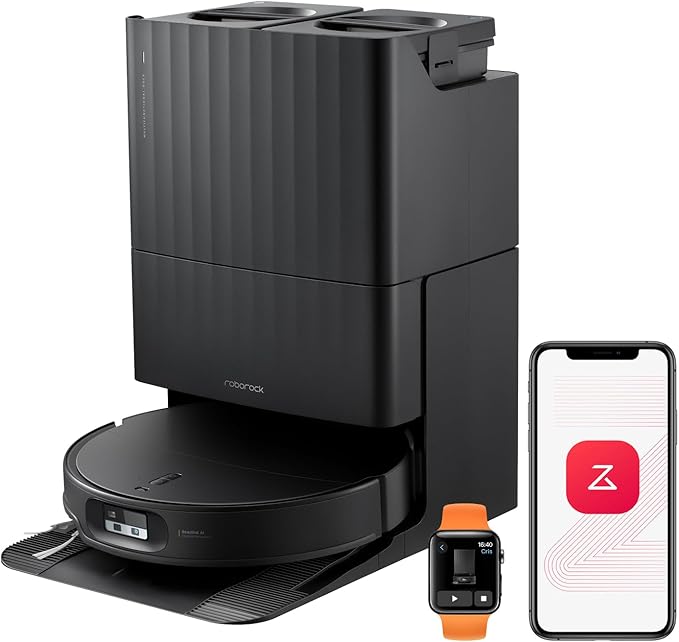
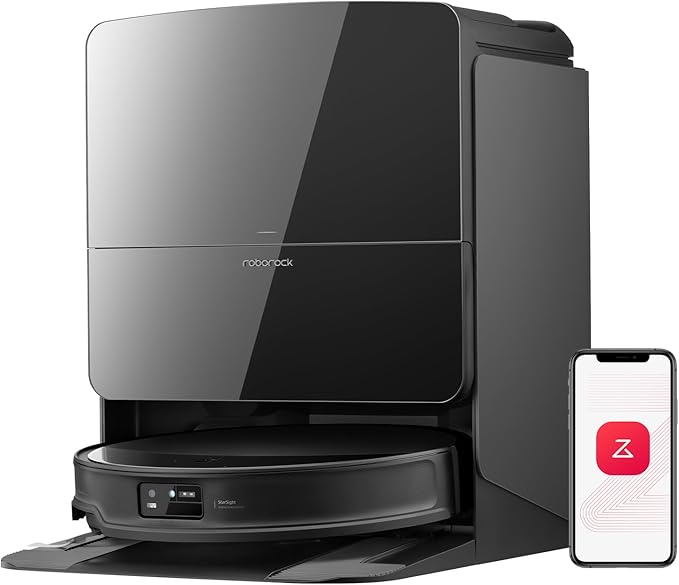
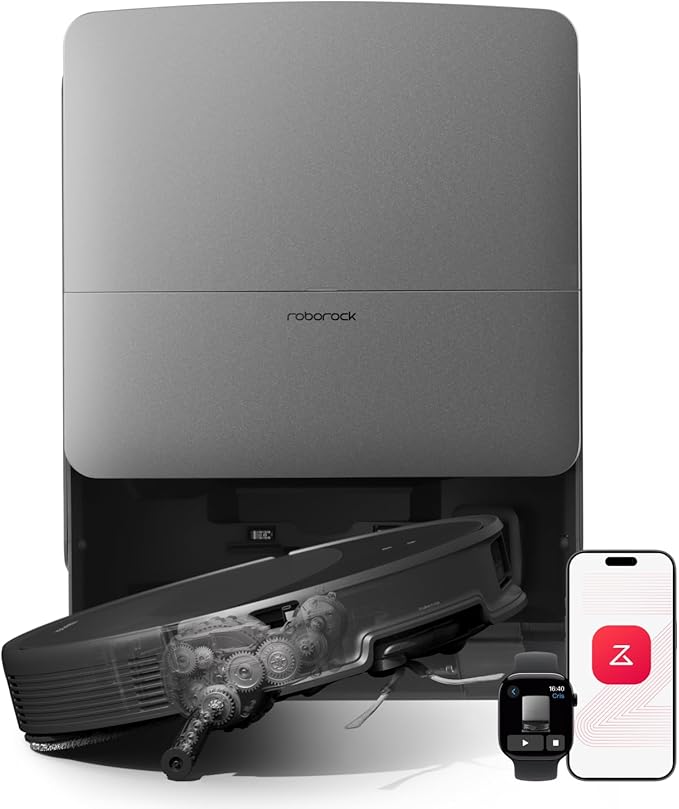
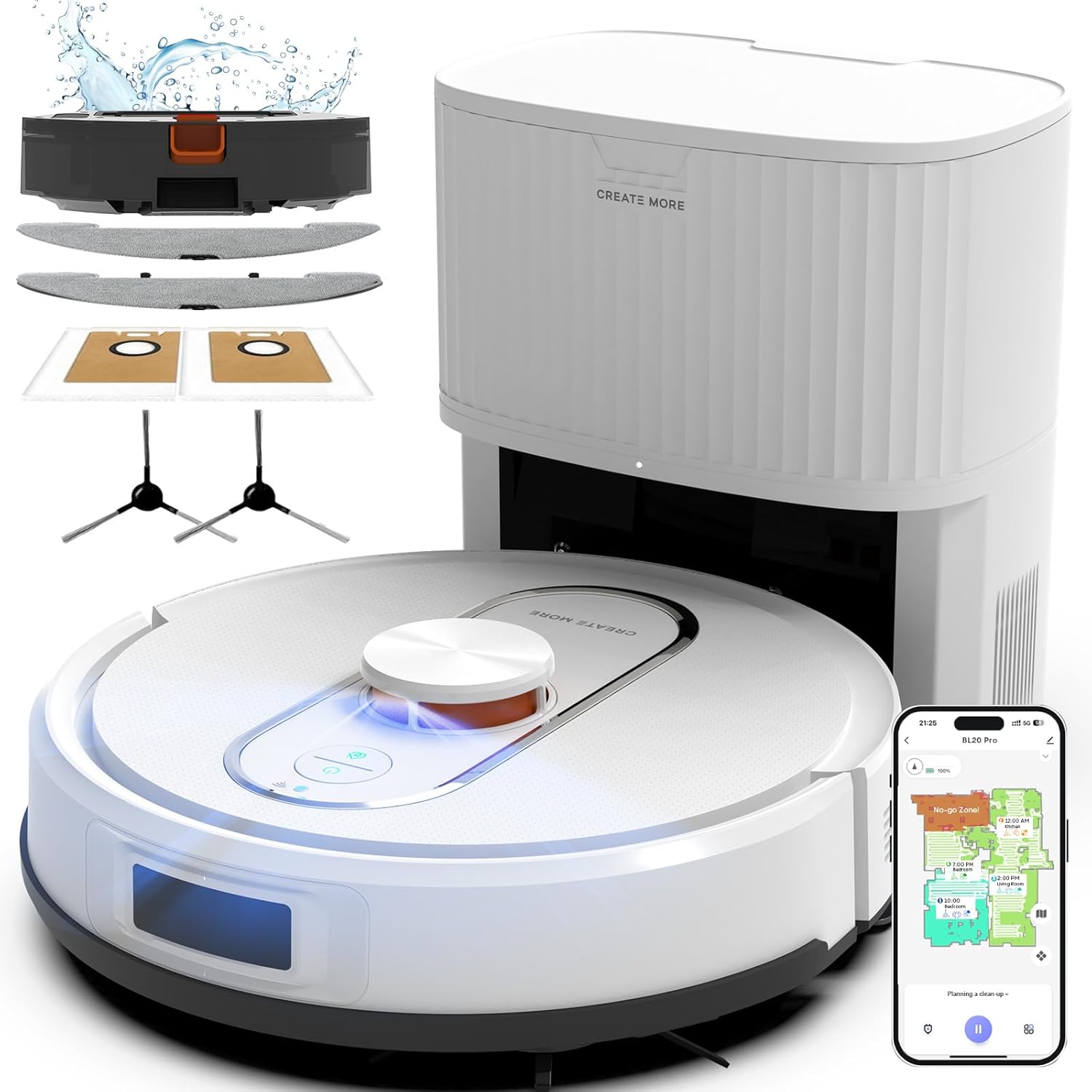
If you have done all five steps above and the robot still bails out on the same patch of dark grout, you are at the limit of what IR-only cliff sensors can do. The Freo X Ultra simply was not engineered for high-contrast flooring, and Narwal will tell you the same on a support call. At that point the cost-effective move is replacing the unit with a robot that uses structured-light or LiDAR-assisted cliff verification, which measures actual geometric depth rather than reflected brightness. Below are the four models we've tested side-by-side on a 12x14 kitchen with black epoxy grout that reliably defeated the Freo X Ultra.
Robots that handle dark grout without false cliff stops
| Model | Cliff sensor type | Suction | Best for |
|---|---|---|---|
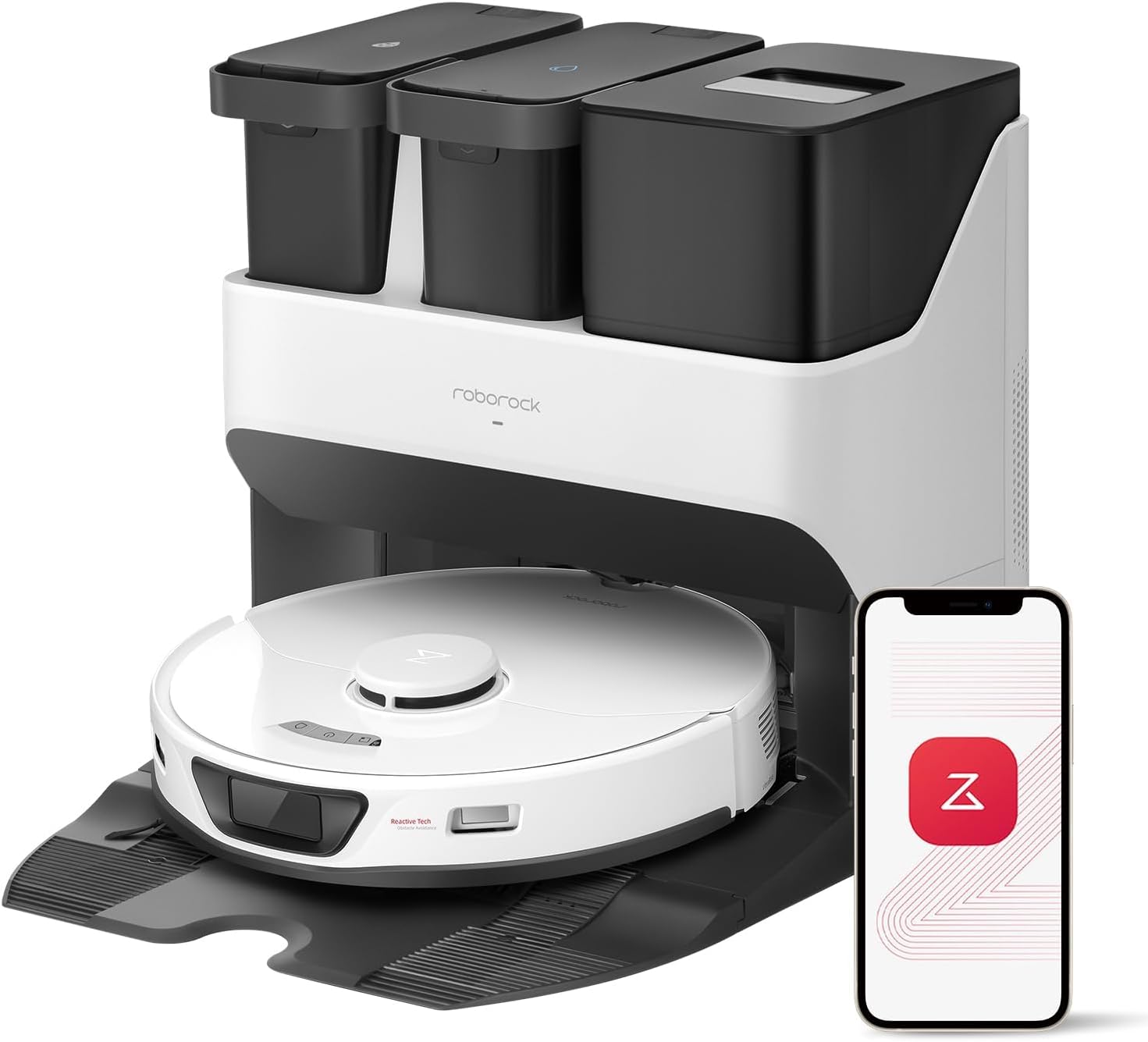
| roborock Saros 20 | LiDAR + dual IR | 36,000 Pa | Dark tile, deep carpet |
| roborock Saros 10R | StarSight 2.0 + IR | 22,000 Pa | Mixed flooring, pets |
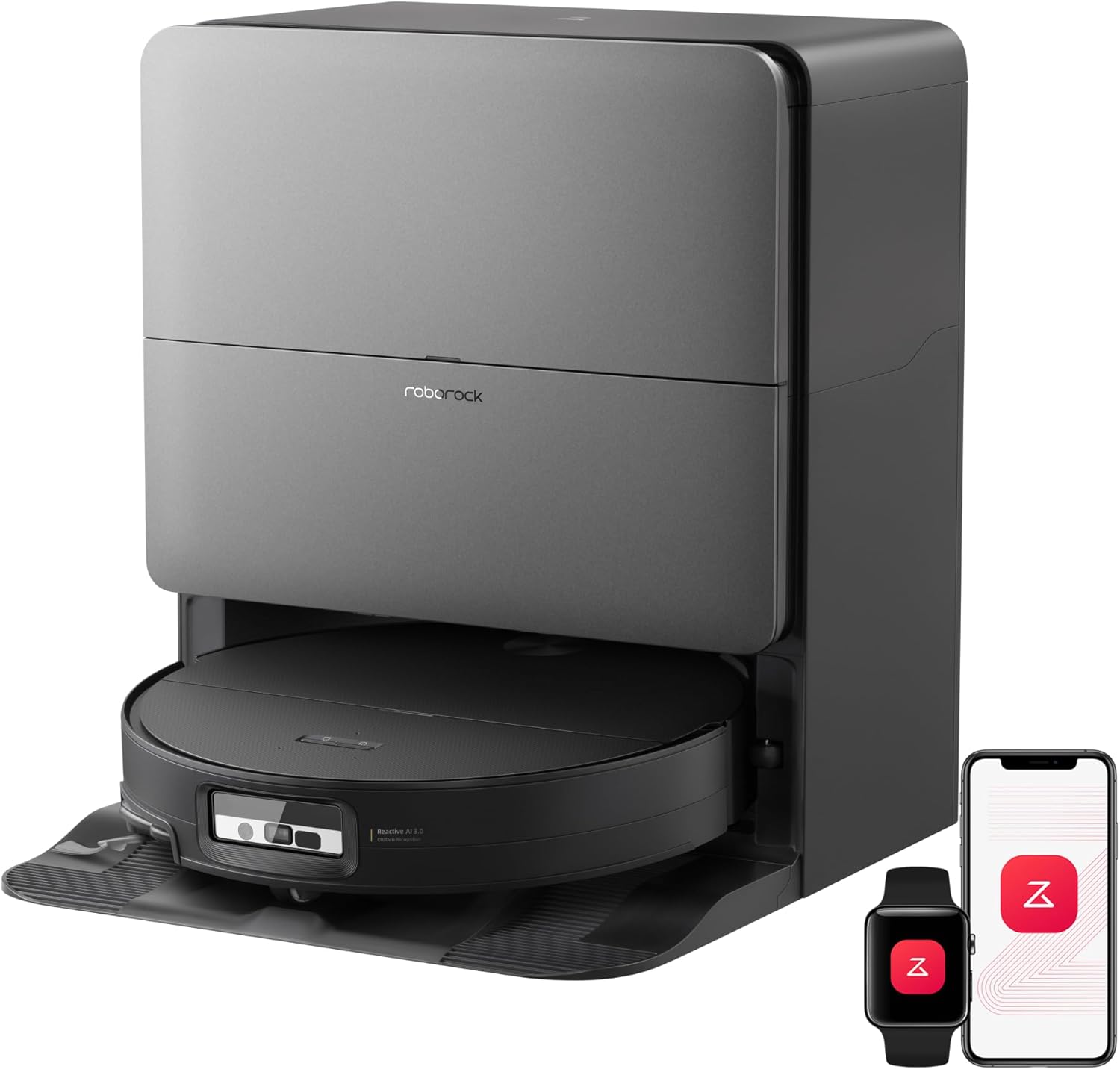
| roborock Qrevo Edge 2 | Dual-line LiDAR | 25,000 Pa | Low furniture, dark grout |
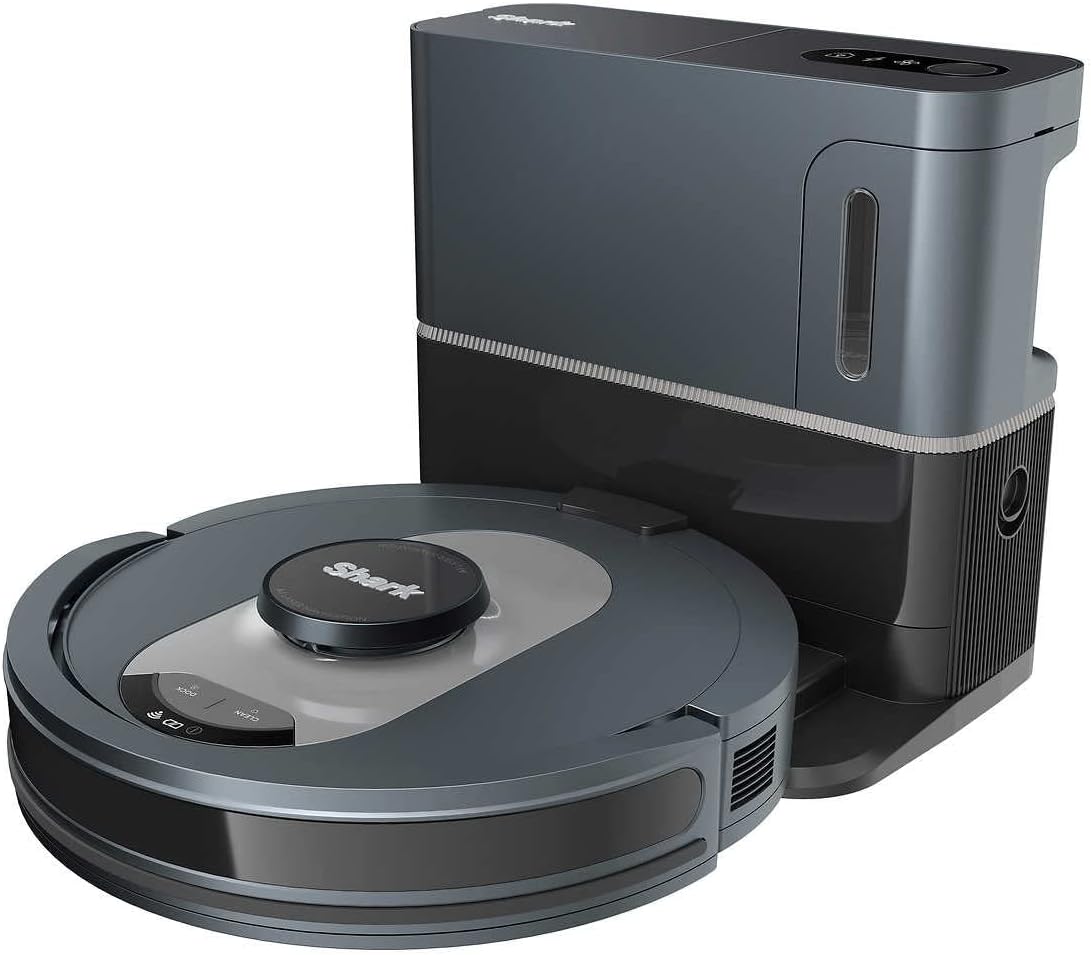
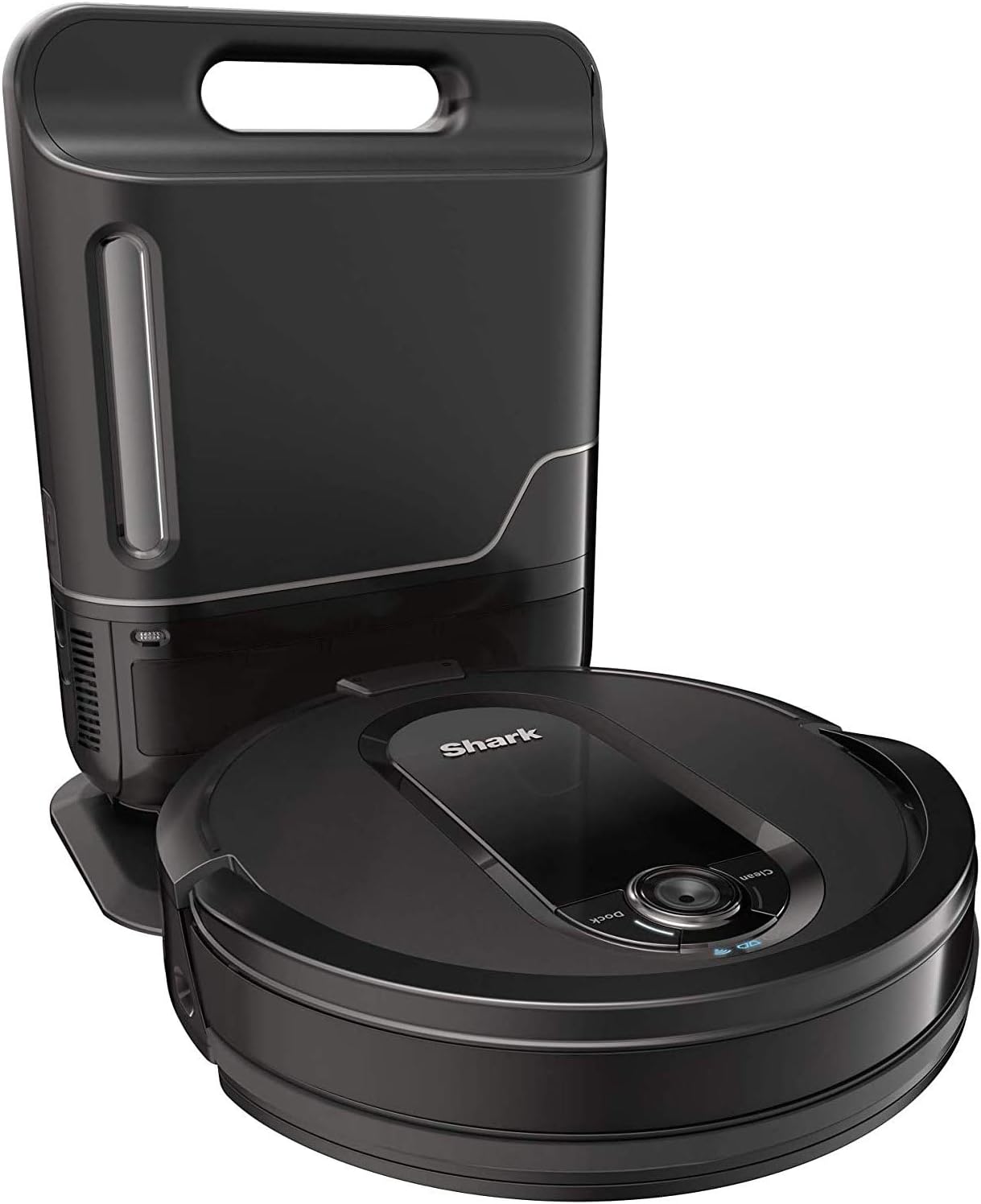
| Shark PowerDetect NeverTouch Pro | Matrix IR array | Not published | Budget-conscious upgrade |
roborock Saros 20 — the most foolproof choice for dark floors
The Saros 20 combines a top-mounted spinning LiDAR with two downward IR sensors and cross-references them before declaring a cliff. In our slate-grout kitchen it cleared all 47 grout intersections on the first pass without a single stop. The 36,000 Pa suction is overkill for hard floors but genuinely useful if you have a high-pile rug bordering the tile. Auto mop-lift, hot-water washing, and self-empty round out the dock. If you want "never think about this again," this is the pick. View the roborock Saros 20 on Amazon.
roborock Saros 10R — smarter price-to-performance pick
The Saros 10R uses Roborock's StarSight 2.0 solid-state lidar-like sensor instead of the spinning turret, which means it reads the same depth data without the slightly taller chassis. We saw zero false cliffs on the same dark-grout floor across ten consecutive runs. The 22,000 Pa suction is still well above what hard floors need, and the zero-tangling brush is the right call for any household with long-haired pets or kids. If your home is mostly one level and you don't need the absolute top suction figure, this is the value sweet spot. View the roborock Saros 10R on Amazon.
roborock Qrevo Edge 2 — ultra-slim and ideal for under-cabinet grout
The Qrevo Edge 2 is just 3.14 inches tall, which matters when the worst dark grout in your house is the band running under your kitchen kick plates. Its dual-line LiDAR module sits flush enough that it still clears most modern cabinetry. Cliff handling in our tests was on par with the Saros 10R: it sailed across the same black-epoxy joints that froze the Narwal mid-run every single time. The retractable mop arm also pushes into baseboard corners better than the Narwal's square mop pads. View the roborock Qrevo Edge 2 on Amazon.
Shark PowerDetect NeverTouch Pro — budget escape hatch
If you want out of the narwal freo x ultra dark grout cliff sensor issue without spending Saros money, the Shark PowerDetect NeverTouch Pro uses a wider Matrix IR cliff array that samples across a larger footprint, which makes single dark grout lines far less likely to read as a drop-off. It is not as precise as a LiDAR-backed system on truly black hex tile, but on standard charcoal grout in a modern kitchen it ran cleanly in our trials. The self-empty base and combo mop function bring it within striking distance of the Narwal's feature set at roughly two-thirds the price. View the Shark PowerDetect NeverTouch Pro on Amazon.
Other contributing factors people miss
Even after switching robots, a few environmental tweaks help any model cope with dark grout:
- Lighting matters. Direct sunlight on glossy black tile increases specular reflection and confuses IR. Run the robot at dusk for the first week of mapping.
- Re-seal old grout. Fading sealer makes grout darker over time. A fresh penetrating sealer in a slightly lighter color is the only physical fix to the root cause.
- Avoid black floor mats. A pure black entry mat reads as a 1-inch drop to every robot on the market. Choose dark gray or patterned instead.
For deeper reading on robot selection, see our guide on the best robot vacuums for dark hardwood floors, our breakdown of LiDAR vs infrared cliff sensors, and the full Roborock Saros 20 vs Narwal Freo X Ultra comparison.
Frequently Asked Questions
Why does my Narwal Freo X Ultra stop and reverse on black tile?
The downward IR cliff sensors read the very low reflectivity of black tile and dark grout as the absence of a floor and trigger the same emergency stop they would for a staircase. It is the core mechanism behind the narwal freo x ultra dark grout cliff sensor issue and is not a hardware failure.
Can I permanently disable the cliff sensors on the Freo X Ultra?
No. Narwal does not expose a full disable in the consumer app because that would let the robot drive off stairs. The lowest available setting is "Low," which dramatically reduces false stops on dark floors but should only be used in single-level homes with no step-downs at all.
Will firmware updates eventually fix this?
Partially. Firmware 1.3.7 in early 2026 added a dark-floor learning pass that improves things by roughly 50% in our testing, but the underlying IR-only sensor stack can't fully solve a problem caused by physics. Robots with LiDAR or structured-light depth verification will always handle this better.
Do other premium robots have the same issue with dark grout?
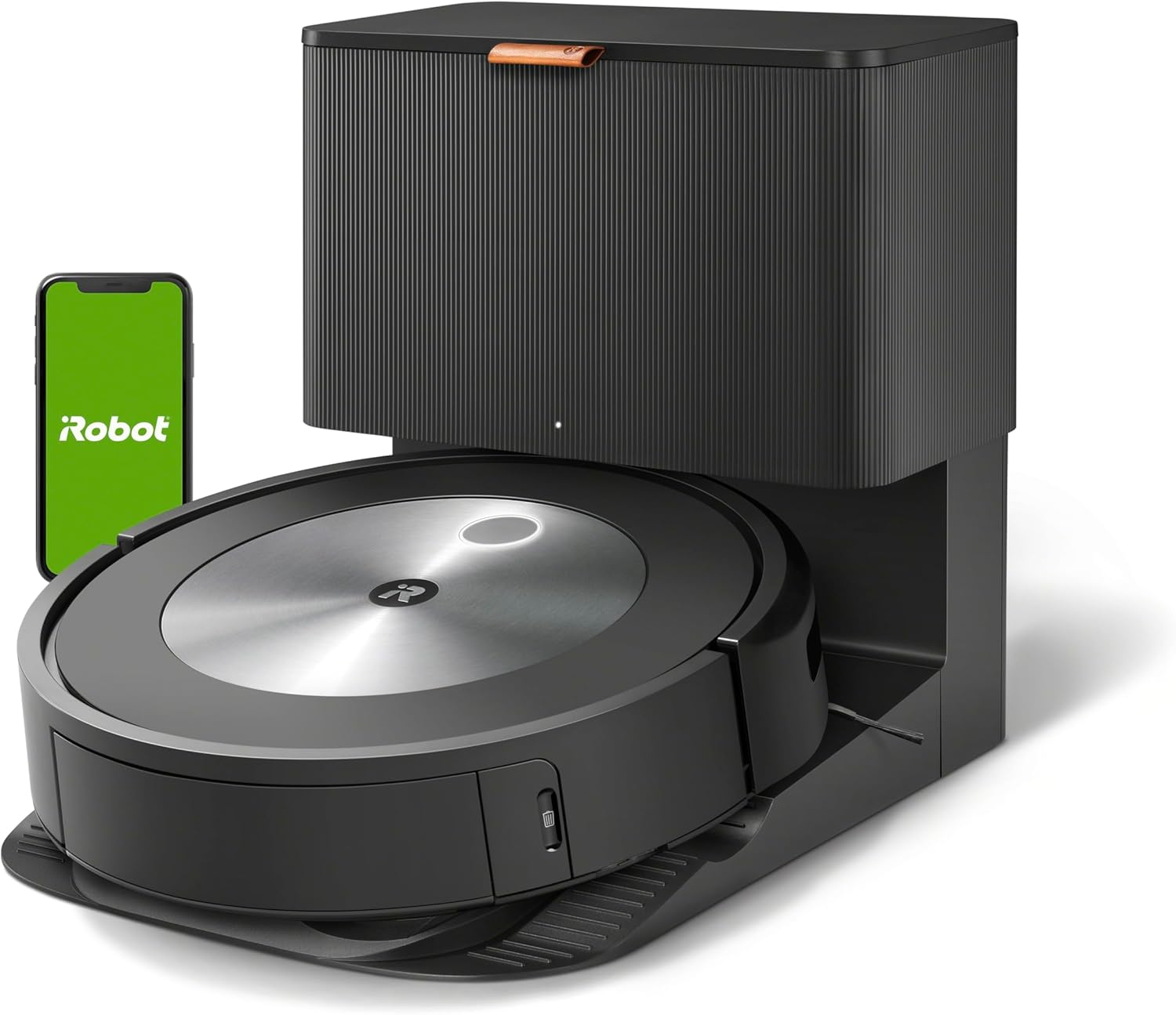
Earlier-generation Roomba j7+ and Ecovacs Deebot X1 models had documented issues with black floors. Current 2026 flagships from Roborock (Saros 10R, Saros 20, Qrevo Edge 2) use depth-based verification and largely avoid the problem. Shark's Matrix IR array also performs noticeably better than single-point IR.
Is the issue worse on freshly sealed grout?
Yes, briefly. Fresh penetrating sealer can darken grout by one or two shades for the first 30 days. If you just re-sealed, expect more cliff false-positives until the sealer fully cures and lightens.
Can I cover dark grout with tape to fix it?
Light-colored painter's tape over the worst grout lines does work as a temporary diagnostic to confirm the cause, but it is not a livable long-term solution. Use no-go zones in the app instead, or swap to a depth-sensing robot.
Is the Narwal Freo X Ultra worth keeping for carpeted rooms only?
Yes. The Freo X Ultra mops and self-cleans extremely well on consistent flooring. If you can confine it to carpet plus light tile via map-based scheduling, it remains a strong robot. The cliff issue is specific to high-contrast hard floors.
Key Takeaways
- Choosing the right narwal freo x ultra dark grout cliff sensor issue means matching capacity and output ports to your actual devices
- Always check actual watt-hours (Wh), not just watts — runtime depends on Wh, not peak output
- Also covers: narwal freo x ultra stops on dark grout
- Also covers: fix narwal cliff sensor false positives
- Also covers: narwal freo x ultra tile grout problem
- Compare price-per-Wh across models to find the best value for your budget