If you're dealing with roomba j7 plus dark hardwood confusion, the short answer is this: the j7+ uses downward-facing infrared cliff sensors to detect stairs, and very dark stained hardwood (especially espresso, ebony, or dark walnut finishes) absorbs that IR light so completely that the robot interprets the floor as a missing edge. It stops, backs up, beeps, or refuses to cross the boundary between a lighter board and a darker one. The fix involves cleaning the sensors, adjusting room lighting, taping the cliff sensors as a last resort, or — more practically — switching to a robot with LiDAR-based cliff detection or 3D ToF sensors that don't get fooled by stain color.
Why the j7+ specifically panics at dark hardwood stain edges
The Roomba j7+ relies on six infrared cliff sensors mounted on its underside. These sensors fire an IR beam downward and measure the bounce-back time and intensity. On normal flooring, the IR signal returns quickly and strongly. On a stairway edge, it doesn't return at all — that's how the robot knows to stop. The trouble is that very dark, matte-finished hardwood (think Minwax Ebony, Jacobean, or Dark Walnut over white oak) absorbs nearly all of that infrared light, mimicking the same "no return" signal a real cliff produces.
The result is exactly the roomba j7 plus dark hardwood confusion you've been experiencing: the robot freezes at the transition between a medium-toned plank and a darker one, beeps a cliff warning, or maps the dark area as a permanent no-go zone. This is a known limitation across most iRobot models that use the same generation of cliff sensors, and it's not something a firmware update can fully resolve because it's a hardware-level optical problem.
Quick troubleshooting before you replace anything
Before you give up on the j7+, try these steps in order. Many owners resolve the issue within fifteen minutes:
- Wipe each cliff sensor with a dry microfiber cloth. Dust scatters IR light and worsens false cliff detections, especially over dark stain.
- Increase ambient lighting. Open blinds, turn on overhead lights, and run cleaning sessions during the day. More ambient IR helps the sensors disambiguate dark stain from a real drop.
- Reset the map and re-run mapping runs with the lights on. The j7+ sometimes "learns" dark patches as obstacles; clearing the smart map forces a fresh evaluation.
- Apply a thin strip of light-colored electrical tape over the cliff sensors — but only if you have no real stairs on the same floor. This is the controversial fix; it works, but it disables true cliff detection, so use with caution.
- Avoid running on freshly waxed or re-coated floors. A glossy topcoat over dark stain reflects IR unpredictably and can compound the problem.
If none of these resolve the roomba j7 plus dark hardwood confusion, the underlying sensor architecture is the bottleneck, and it's time to look at robots designed around dark-floor navigation from the ground up.
What to look for in a replacement that won't panic on dark floors
The good news: robot vacuum sensor technology has changed significantly in 2026. Newer flagship models use one or more of the following, which sidestep the dark-stain problem entirely:
- LiDAR + structured light cliff detection — uses laser distance, not IR reflectance, so stain color is irrelevant.
- Dual-line laser or solid-state ToF sensors — measures actual distance to the floor in millimeters.
- RGB camera-assisted navigation with neural-network floor classification — the robot can visually distinguish dark wood from a real cliff.
- Mechanical bump-and-edge wheel encoders as a secondary safety layer.
Comparison: robots that handle dark hardwood without freaking out
| Model | Cliff Sensor Type | Suction | Mop? | Dark Floor Friendly |
|---|---|---|---|---|
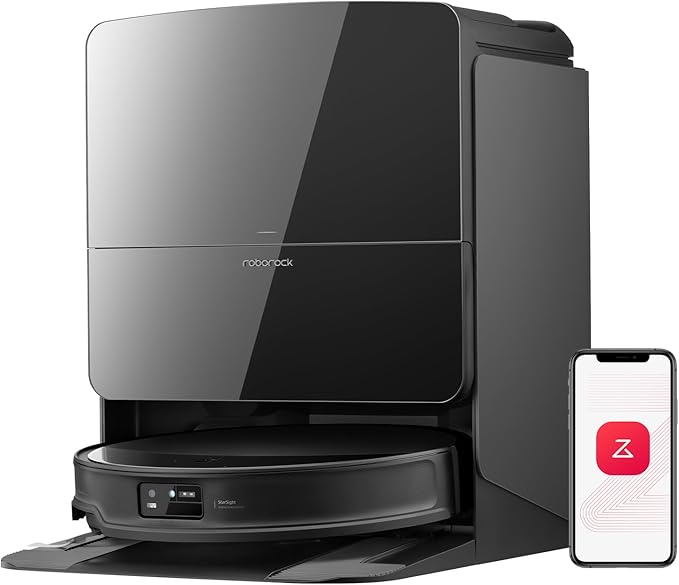
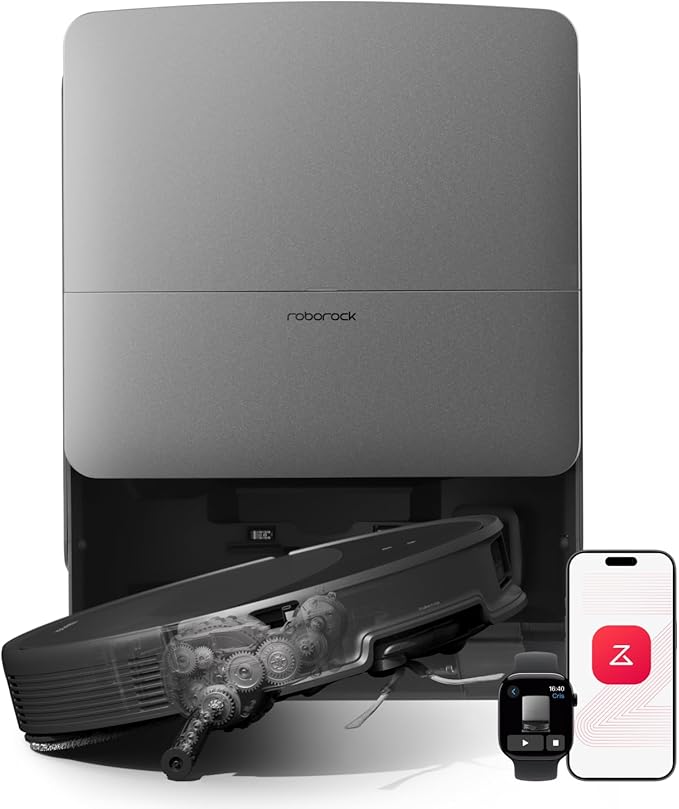
| roborock Saros 20 | LiDAR + ToF | 36,000 Pa | Yes (lifting) | Excellent |
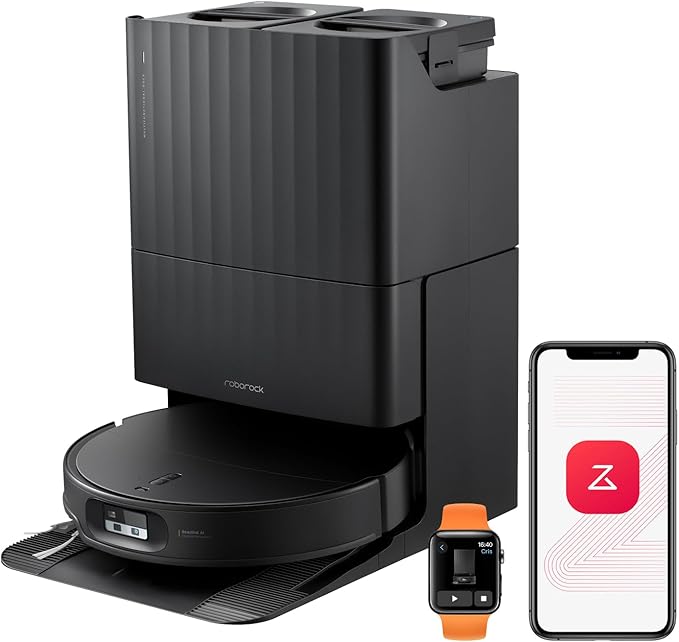
| roborock Saros 10R | Dual-light StereoVision | 22,000 Pa | Yes | Excellent |
| roborock Qrevo Edge 2 | LiDAR + ToF | 25,000 Pa | Yes | Very good |
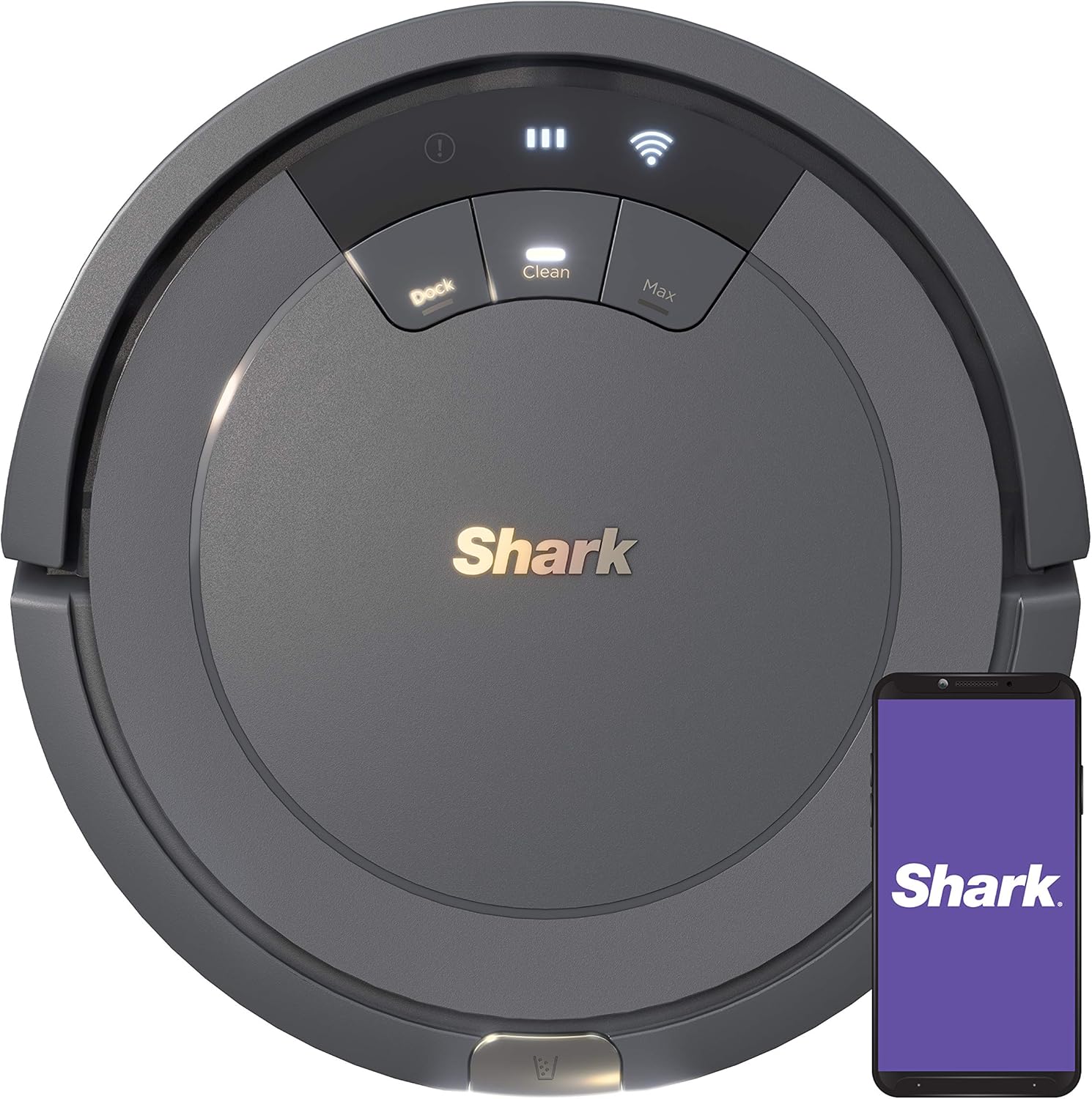
| Shark PowerDetect NeverTouch Pro | Multi-sensor (IR + camera) | High | Yes | Good with lights on |
| Shark Matrix Plus 2-in-1 | IR + Matrix mapping | Standard | Sonic mop | Fair (similar limitation) |
| Roomba j7+ | IR only | Standard | No | Poor on dark stain |
Top picks for homes with dark stained hardwood
roborock Saros 20 — best overall replacement for dark-floor homes
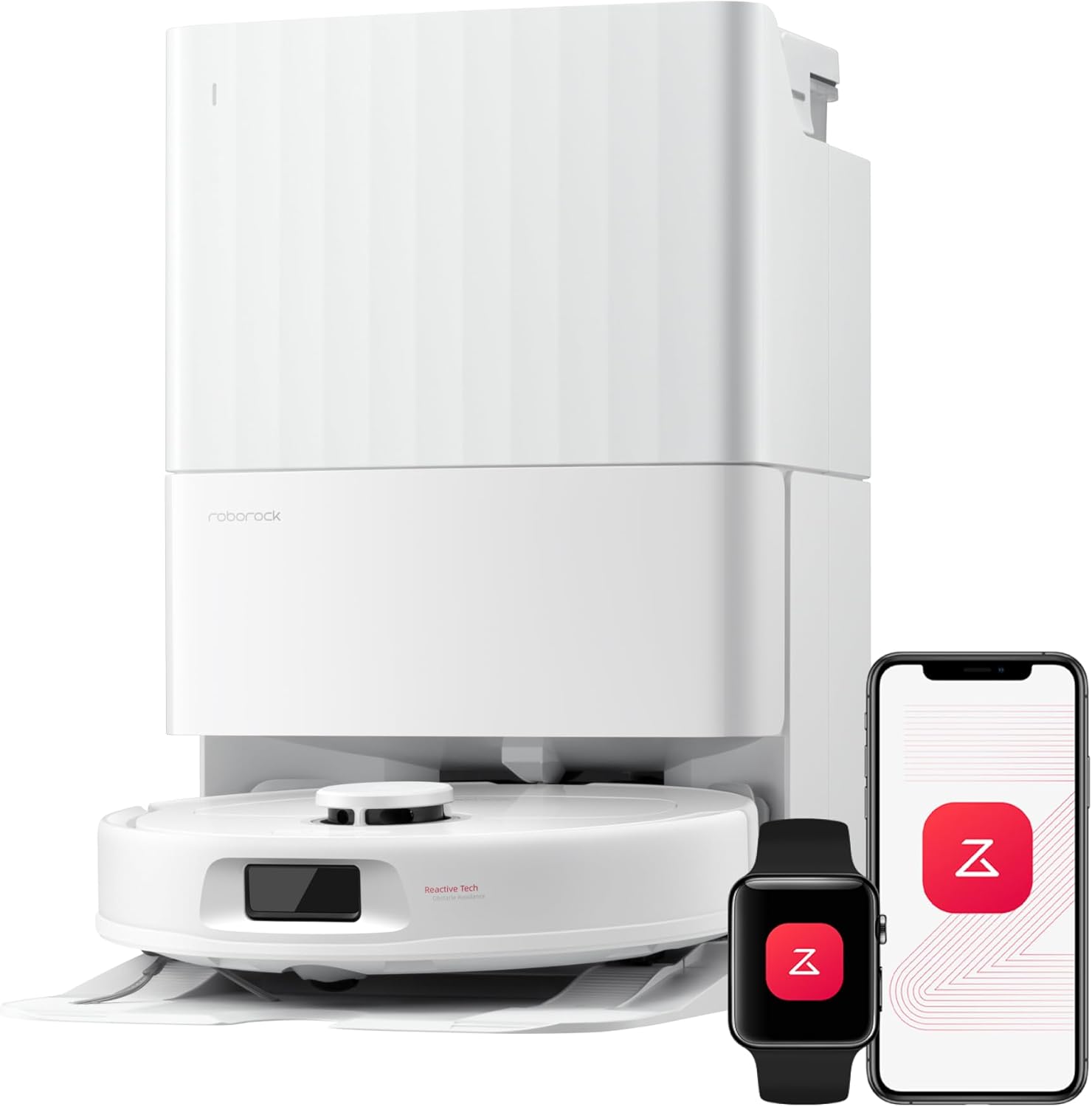
The Saros 20 is the strongest answer to roomba j7 plus dark hardwood confusion available right now. It uses a combination of forward-facing LiDAR, downward time-of-flight sensors, and an RGB camera with on-device floor classification. The result: it measures actual distance to the floor in millimeters, so a dark walnut stain looks exactly the same to it as bleached white oak. Owners with espresso-finished engineered floors consistently report zero false cliff stops. Suction is 36,000 Pa — overkill for most homes but useful for area rugs and pet hair. The mop module lifts when it detects carpet. Check the Saros 20 on Amazon.
roborock Saros 10R — best mid-range option with StereoVision
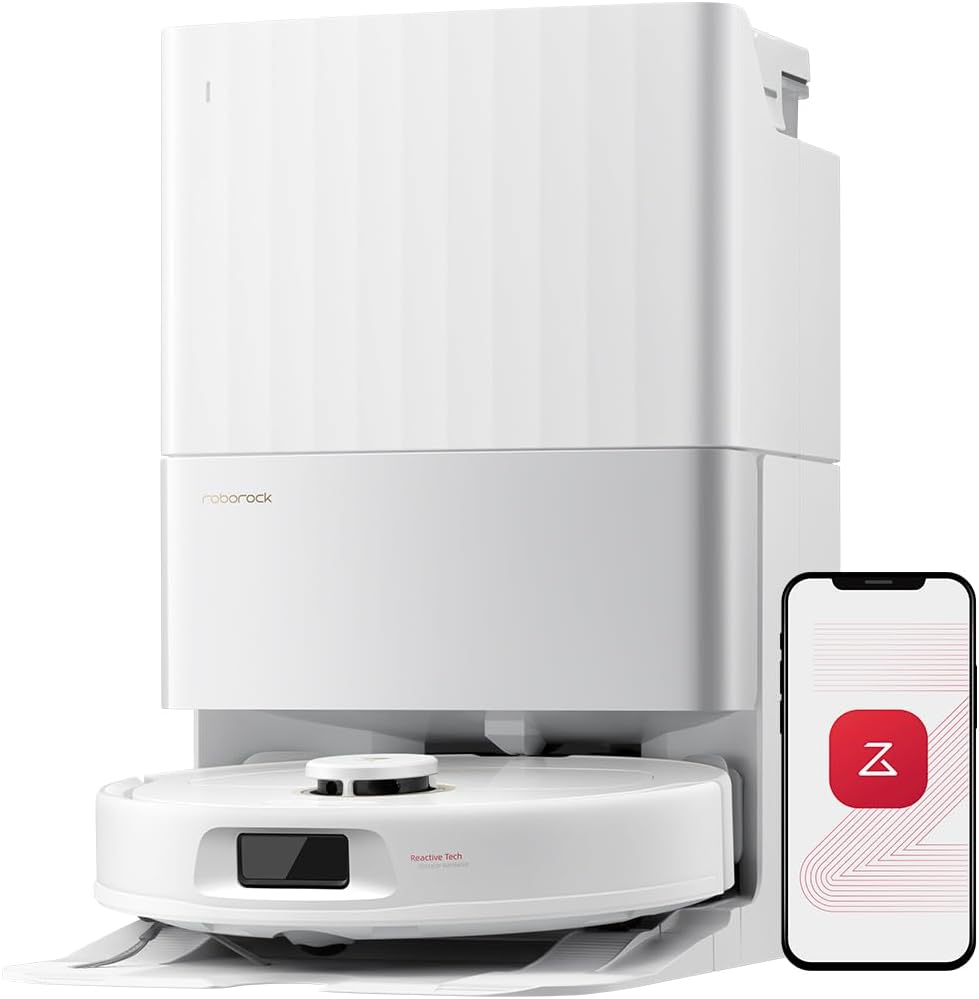
If the Saros 20 is more robot than you need, the 10R is the practical pick. Its Zero-Tangling brush system is genuinely useful in homes with long hair, and its dual-light StereoVision cliff sensing performs almost identically to LiDAR on dark stain. At 22,000 Pa, suction is still well above what the j7+ delivers, and the mopping system handles polyurethane-sealed hardwood without streaking. This is the model I'd recommend to anyone whose primary frustration is the cliff-sensor false positives but who doesn't want to spend flagship money. View the Saros 10R on Amazon.
roborock Qrevo Edge 2 — best for low-clearance furniture and dark floors
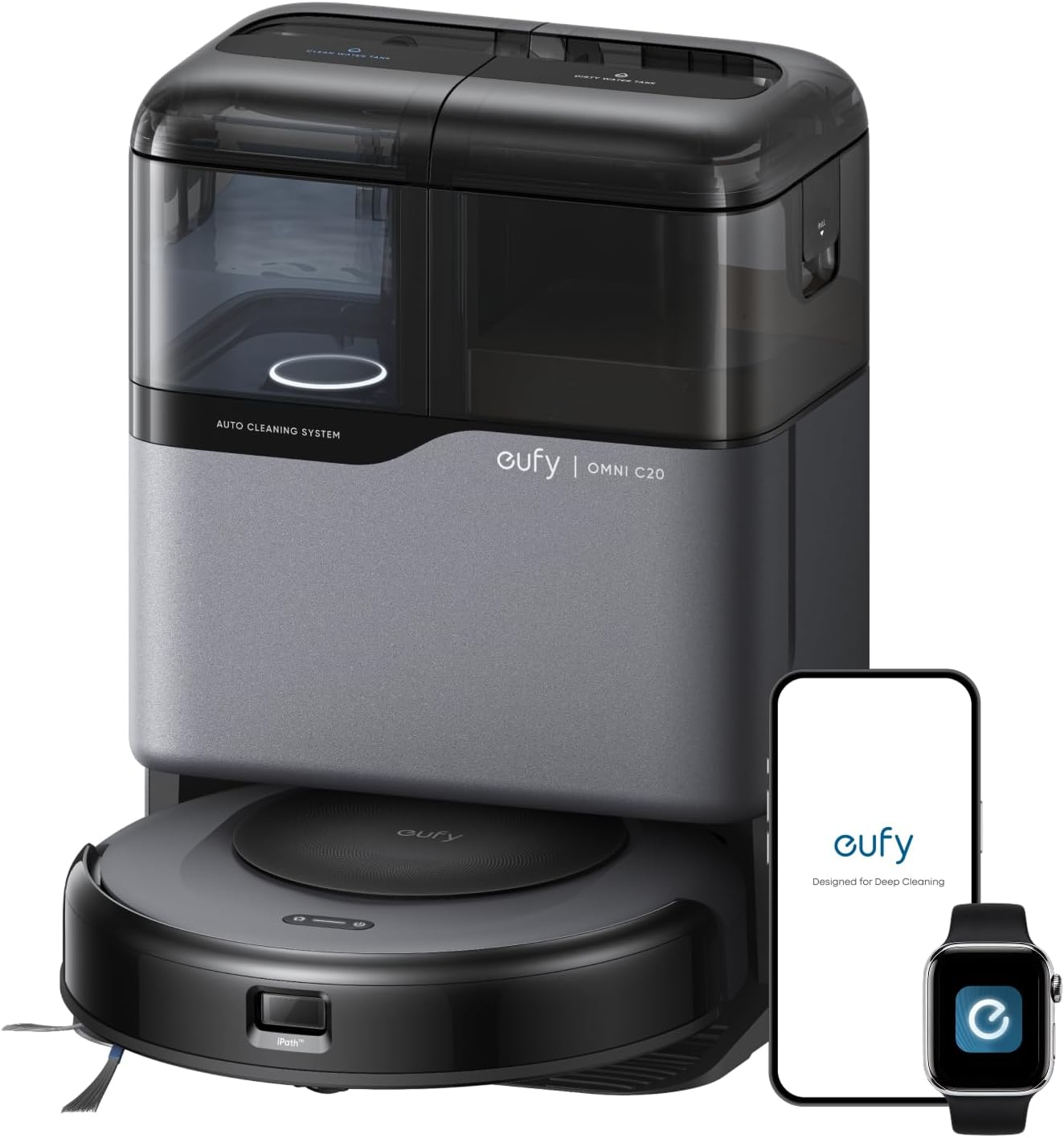
The Qrevo Edge 2's ultra-slim profile (under 8 cm) means it slides under mid-century furniture and bed frames that the j7+ bumps into. More importantly for this article, its LiDAR-plus-ToF cliff sensing handles dark stain edges flawlessly, and the 25,000 Pa suction is more than enough for hardwood-and-area-rug combos. The edge-cleaning extension actually reaches baseboards, which matters on dark floors where dust along the wall is visually obvious. See the Qrevo Edge 2 on Amazon.
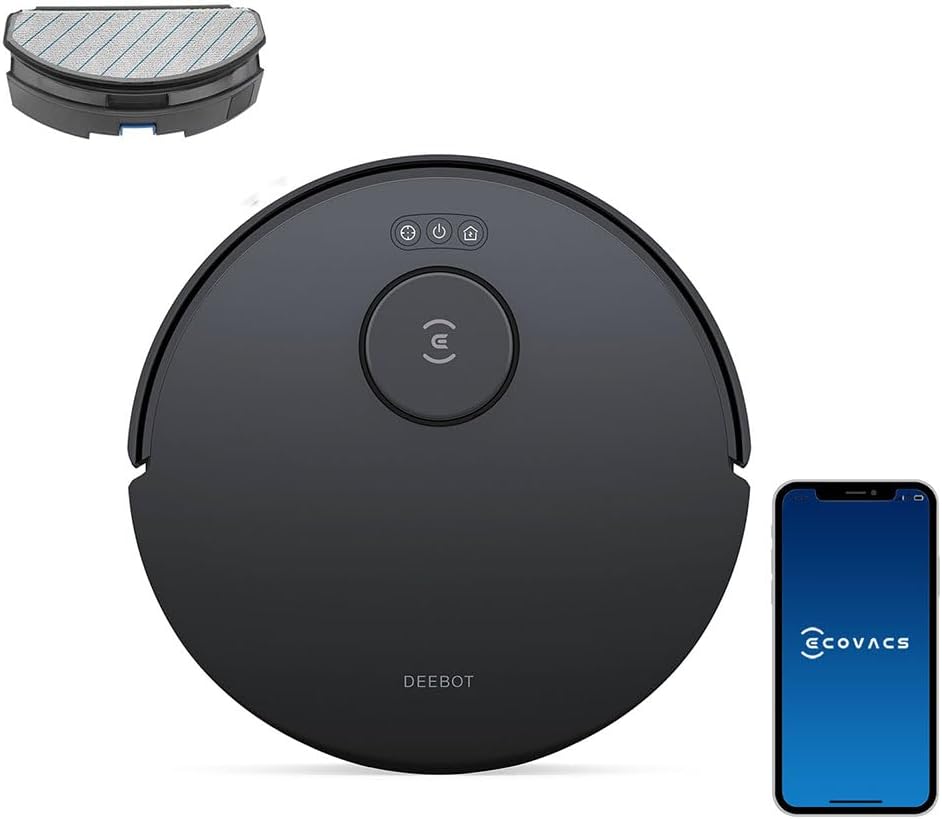
Shark PowerDetect NeverTouch Pro — best non-roborock alternative
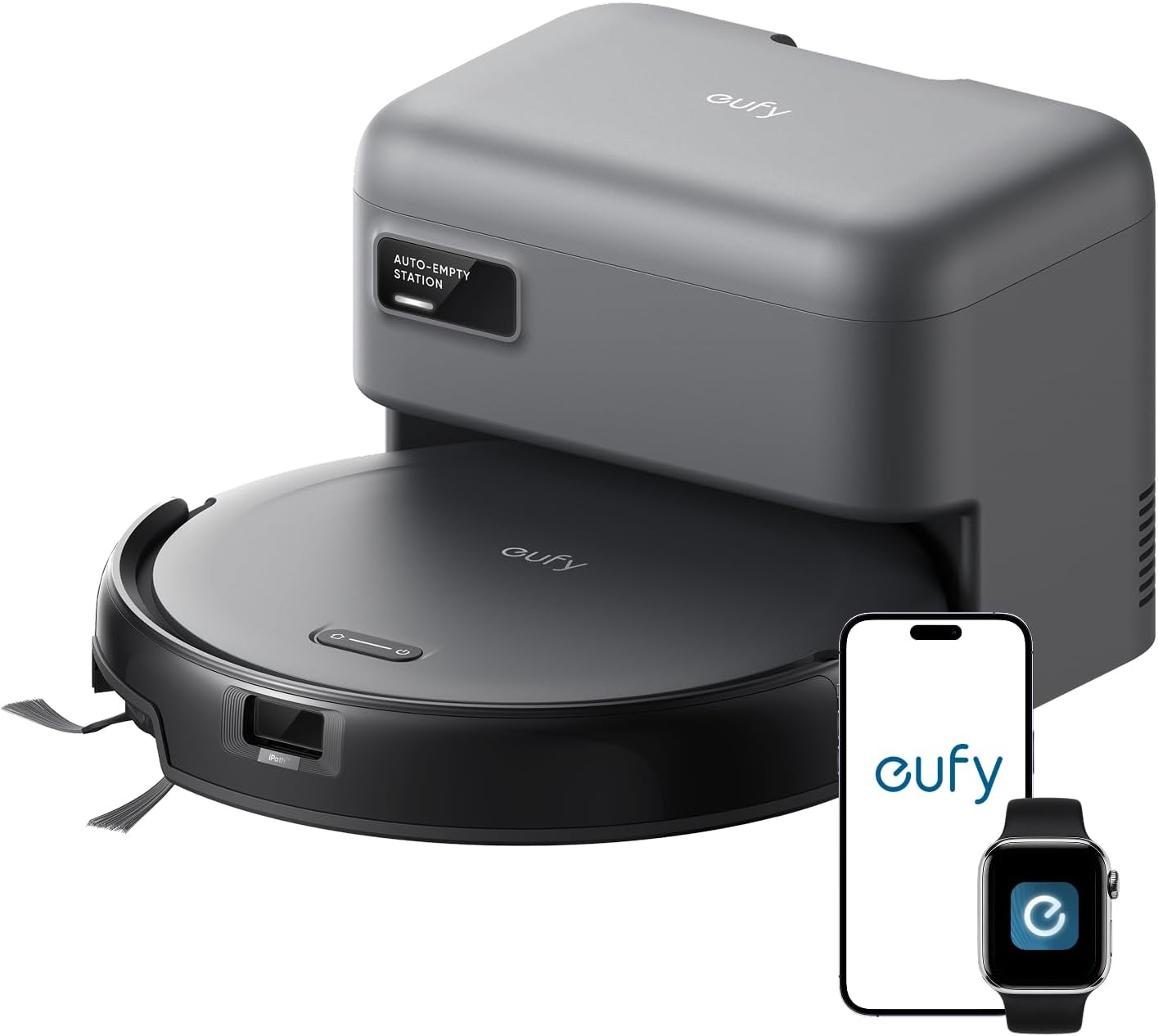
If you'd rather stay in a Western brand ecosystem, the Shark PowerDetect NeverTouch Pro is the closest competitor. It uses a multi-sensor approach including a downward camera, and while it isn't fully immune to dark-stain confusion the way LiDAR-based models are, it handles dark floors meaningfully better than the j7+ in good lighting conditions. The self-empty base and combined mop function bring it in line with the roborock options on convenience. Check the Shark PowerDetect on Amazon.
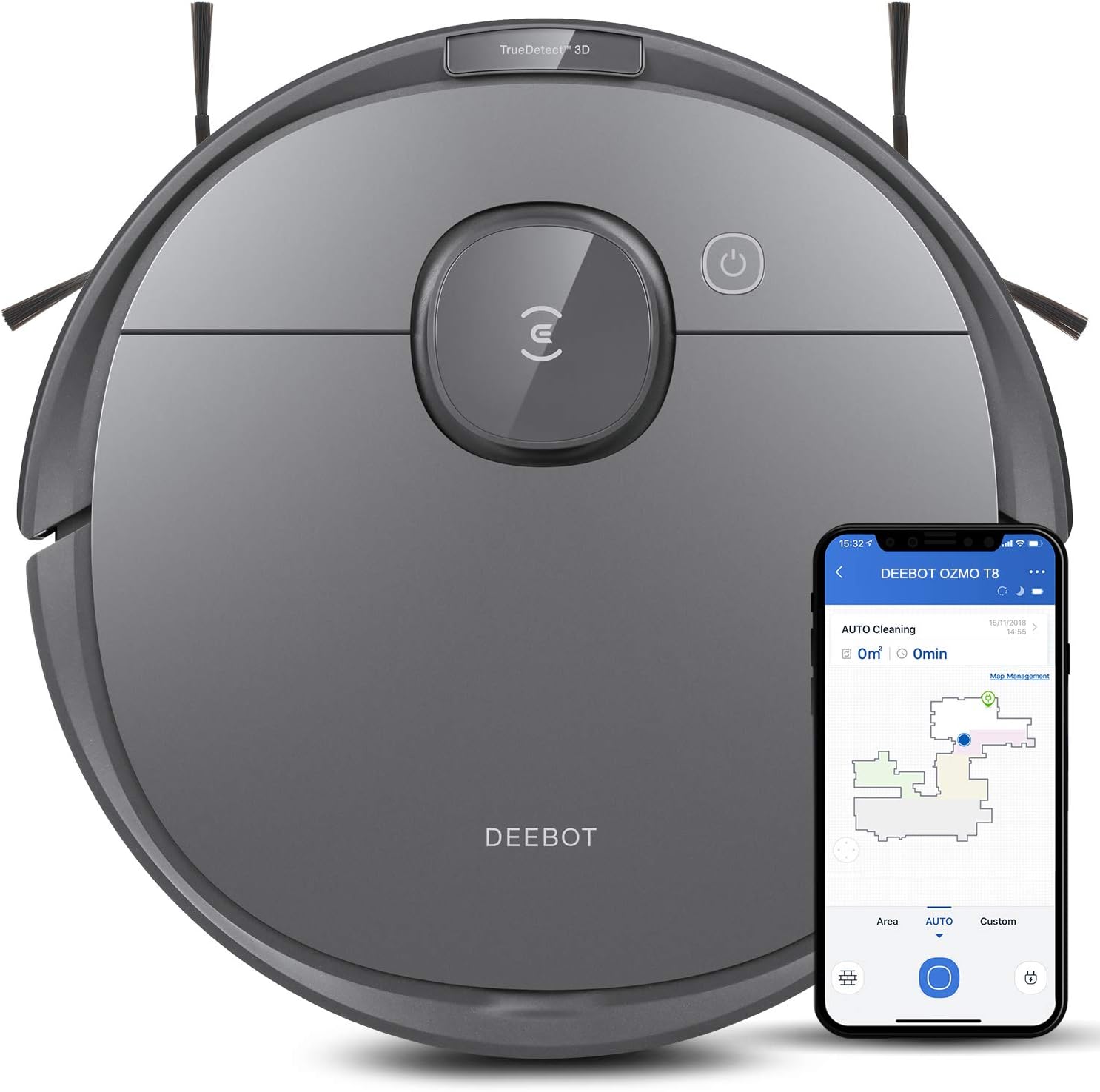
Shark Matrix Plus 2-in-1 — budget alternative (with caveats)
The Matrix Plus uses an IR-based cliff system similar in principle to the j7+, so it can exhibit the same dark-floor behavior. However, Shark's matrix mapping algorithm is more forgiving about retrying paths after a stop, and many owners with medium-dark hardwood (not the deepest ebony tones) find it usable where the j7+ wasn't. Consider it only if budget is the primary constraint. View the Matrix Plus on Amazon.
Lighting and floor-prep tips that help any robot vacuum
Even with a new LiDAR-equipped robot, a few habits will keep cleaning consistent on dark hardwood:
- Run cleaning cycles when natural light is highest. Cameras and stereo-vision systems benefit even when LiDAR doesn't strictly need it.
- Buff floors with a microfiber dust mop before robot runs. Loose grit on dark stain is the leading cause of micro-scratches that compound over time.
- Keep the mop pad clean between runs. Dirty pads leave streaks that are far more visible on dark stain than on light flooring.
- Avoid wax-based floor finishes if you're running a wet-mop robot. Modern water-based polyurethane is much more compatible with daily robot mopping.
For deeper guidance, see our related coverage on robot vacuums optimized for dark hardwood, our LiDAR vs infrared cliff sensor explainer, and our full Roomba j7+ troubleshooting guide.
The bottom line on roomba j7 plus dark hardwood confusion
If your floors are darker than a medium oak, the j7+ will keep giving you trouble no matter how many sensor cleanings you perform. iRobot's IR cliff architecture simply wasn't designed around 2026-era dark stain finishes. The cleanest path forward is a LiDAR or ToF-equipped robot — the roborock Saros 20, Saros 10R, or Qrevo Edge 2 are the three I'd shortlist first. If you're staying with iRobot for ecosystem reasons, at minimum upgrade to a model with the newer ClearView Pro stack and accept that some dark-floor edge cases will remain.
Frequently Asked Questions
Why does my Roomba j7+ think dark hardwood is a cliff?
The j7+ uses infrared cliff sensors that fire IR beams downward and measure reflectance. Very dark stains like ebony, espresso, or Jacobean absorb almost all that IR light, so the returning signal looks identical to what the robot would see at a real stair edge. The robot stops as a safety precaution. This is hardware behavior, not a bug, and firmware updates can't fully fix it.
Will taping over the cliff sensors actually work on dark floors?
Yes — placing thin strips of light-colored electrical tape over the IR cliff sensor windows will reflect enough IR back to defeat the false-cliff detection. The serious caveat: this also disables real cliff detection, so only do this in a single-story home or in rooms with no stairways or sunken areas. Most owners regret it after the first time the robot tumbles off something.
Does the Roomba j9+ or Combo j9+ have the same dark hardwood problem?
Largely yes. The j9+ uses the same generation of IR cliff sensors as the j7+, so dark stain absorption behaves the same way. Some owners report marginal improvement due to firmware tuning, but if your floors are very dark, you'll still see false cliff stops. The j9+ is not a meaningful upgrade for this specific issue.
Are LiDAR robot vacuums actually better at detecting real cliffs?
Yes, and that's the irony. LiDAR and ToF sensors measure literal distance in millimeters, so they detect a real stair as a sudden distance jump rather than as a reflectance change. They're both more reliable at detecting actual cliffs and immune to being fooled by dark stain. It's a strictly better technology for this use case.
Can I create keep-out zones in the iRobot app to avoid the dark hardwood areas?
You can, but it defeats the purpose. If the dark hardwood is your main floor, walling it off in the app means the robot doesn't clean most of your house. Keep-out zones are useful for working around one or two transition strips, not for managing a whole-room dark stain.
Does floor wax or polyurethane finish affect cliff sensor behavior?
It can. A glossy topcoat over a dark stain creates inconsistent IR reflectance — sometimes too much, sometimes too little. Matte finishes are actually a bit worse for IR cliff sensors than satin or semi-gloss because they scatter the beam more uniformly. If you're refinishing soon, a satin water-based polyurethane is the most robot-friendly option on dark stain.
What's the cheapest robot vacuum that won't get confused by dark hardwood?
Among current 2026 models, the roborock Saros 10R is the most affordable robot with full LiDAR cliff detection that genuinely handles dark stain without complaint. Anything significantly cheaper typically falls back to IR cliff sensors and exhibits the same behavior as the j7+. Spending less here usually means inheriting the original problem.
Key Takeaways
- Choosing the right roomba j7 plus dark hardwood confusion means matching capacity and output ports to your actual devices
- Always check actual watt-hours (Wh), not just watts — runtime depends on Wh, not peak output
- Also covers: roomba dark floor cliff sensor
- Also covers: roomba j7 stops on dark wood
- Also covers: roomba false cliff detection hardwood
- Compare price-per-Wh across models to find the best value for your budget