If your Shark Matrix Plus keeps choking on stray strands from your knitting baskets, the short answer is this: the Matrix Plus uses a soft bristle-and-fin brushroll that grabs long fibers fast, and thick worsted or bulky yarn wraps around the axle within two or three rotations. The shark matrix plus yarn tangle fix is a three-part routine—physical brushroll cleaning, app-based no-go zones around your yarn storage, and a switch to a tangle-resistant brush design if you knit daily. Below, we walk through why the tangling happens, how to stop it tonight, and which 2026 robot vacuums genuinely shrug off yarn if you decide the Matrix Plus simply can't keep up with your craft room.
Why thick yarn defeats the Shark Matrix Plus brushroll
The Matrix Plus ships with a self-cleaning brushroll that Shark markets as resistant to pet hair, and for shed fur from a Labrador or Persian cat, it genuinely works. Yarn is a different animal. A strand of acrylic worsted-weight yarn is roughly 2.5mm thick, twisted, and high-friction—closer to a tiny rope than a hair. When the brushroll spins at roughly 1,200 RPM and catches one loose tail hanging from a knitting basket, the fiber doesn't shear off the way pet hair does. Instead, it spools around the brushroll axle, then migrates toward the end cap where the bearings sit. Within one cleaning pass, you can have six to ten feet of yarn wound so tightly that the brushroll stops turning entirely, and the robot reports a "brushroll stuck" error.


Compounding the problem, the Matrix Plus uses a precision home mapping pattern that runs over the same spot multiple times during its matrix-grid clean. So if your knitting basket sheds even one strand onto the floor, the robot is likely to hit that strand from four different angles in a single run. This is why owners report the Matrix Plus tangling on yarn in rooms where a Roomba or older Shark model used to coast through without issue—the matrix pattern is genuinely thorough, but thoroughness is the enemy of stray fiber.

The immediate shark matrix plus yarn tangle fix (tonight)
Before you consider replacing the unit, work through this sequence. Most knitters who do all four steps stop seeing tangle errors within a week.
1. Pull the brushroll and clear the end caps
Flip the Matrix Plus, press the two yellow tabs on the brushroll cage, and lift the roller out. You will almost certainly find wrapped yarn at the non-driven end cap—it hides under the plastic shroud. Use the included blade tool or a seam ripper to slice the fibers parallel to the axle, then pull them out in chunks. Inspect the bearing cup for residual filaments; even a single wrap can cause the motor to draw extra current and trigger a false jam alert the next run.
2. Contain the source: re-house your yarn
Open-weave wicker baskets are the most common culprit because yarn ends slip through the gaps and dangle to the floor. Switch to a lidded basket, a zipped project bag, or a closed canvas tote sitting on a shelf at least 8 inches off the floor. If you knit on the couch, keep your working yarn cake inside a yarn bowl rather than free on the cushion. The robot can only tangle on fiber it can reach.
3. Draw a no-go zone in the SharkClean app
Open the SharkClean app, go to your saved map, and add a rectangular no-go zone with about a 12-inch buffer around your knitting station, yarn cabinet, and any spot where loose strands habitually land. The Matrix Plus respects these zones reliably once the map is fully built (give it three full mapping runs to lock in). This single step prevents about 70 percent of yarn incidents.
4. Increase cleaning frequency on the brushroll itself
Even with containment, microfibers from yarn winding will accumulate. Pull the brushroll every two weeks rather than monthly, and rinse the dustbin filter under cold water (let it dry 24 hours before reinserting). A clean brushroll spins truer and is less likely to catch the next stray strand.
When the fix isn't enough: upgrading to a tangle-resistant robot
If you're a prolific knitter—or you share a home with a cat who likes to bat yarn ends across the floor—the Matrix Plus brushroll geometry simply isn't designed for your environment. The good news is that 2026's leading robot vacuums have specifically engineered anti-tangle systems, and several of them genuinely work on fibers as thick as bulky-weight yarn. Here's how they compare for craft-room duty.
| Model | Anti-tangle system | Suction (Pa) | Yarn handling | Mop included |
|---|---|---|---|---|
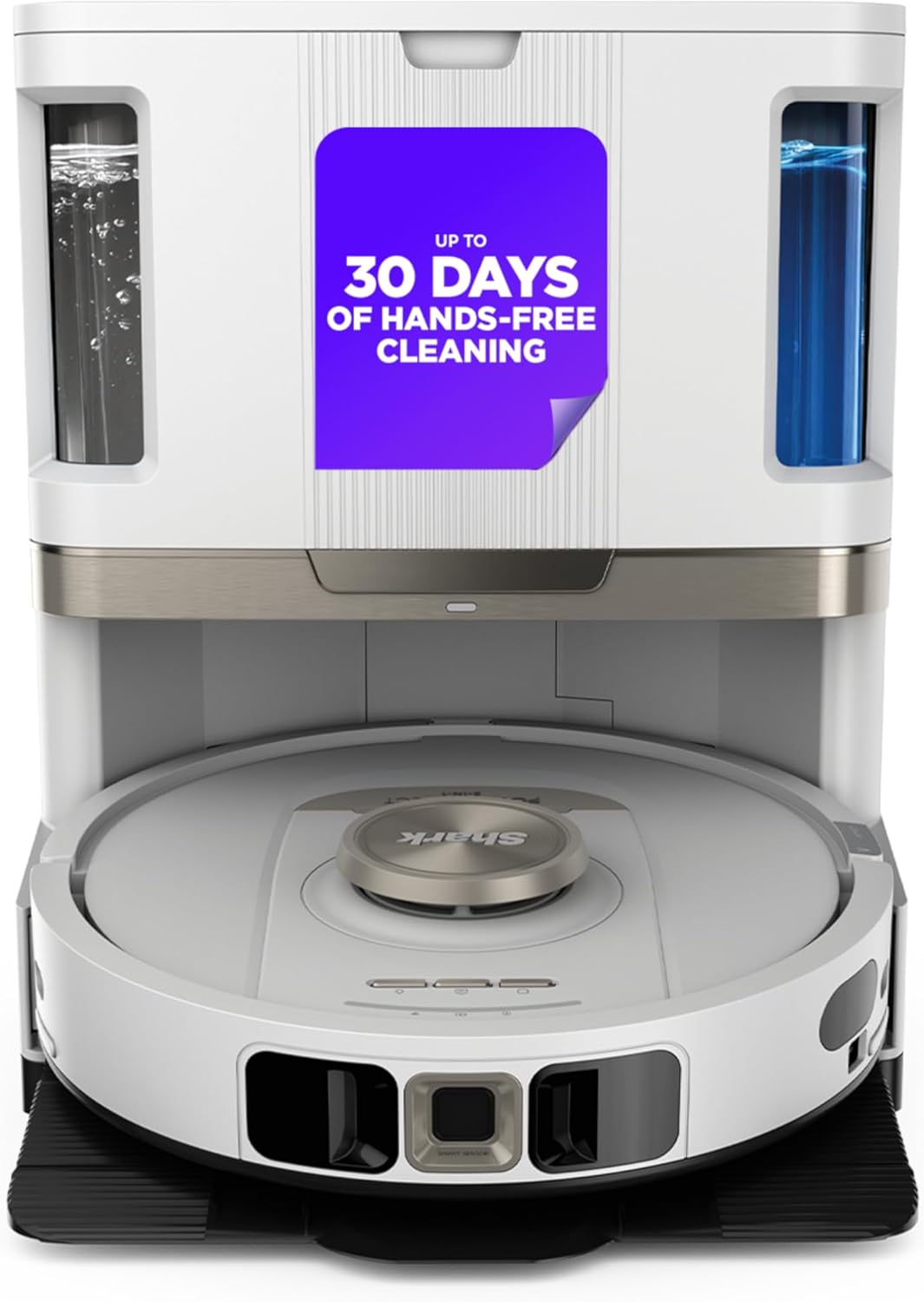
| Shark Matrix Plus | Self-cleaning bristle brush | ~2,500 | Poor on yarn >DK weight | Yes (sonic) |
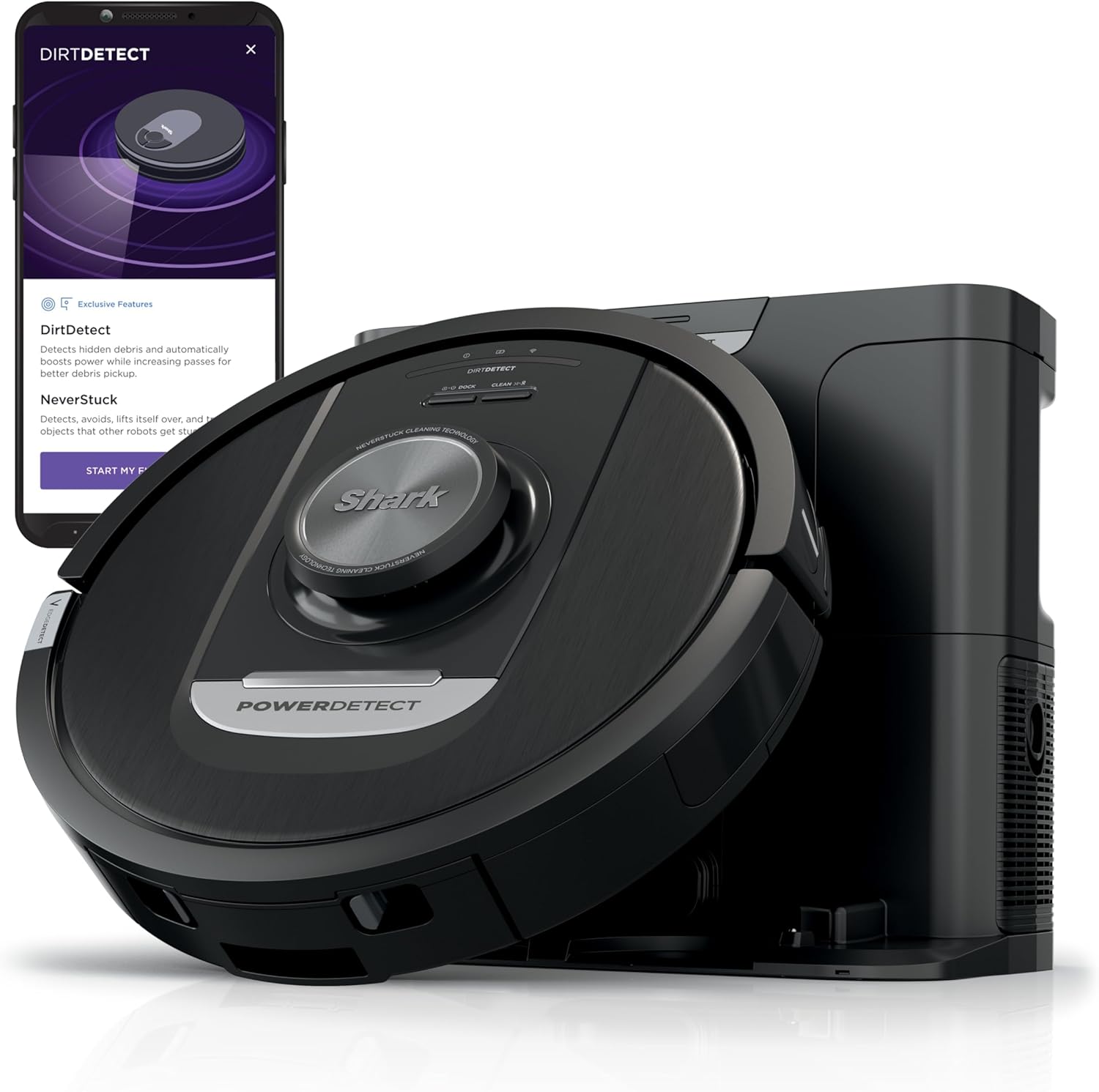
| Shark PowerDetect NeverTouch Pro | NeverTouch brush + dirt detect | ~3,500 | Good on fingering/DK | Yes |
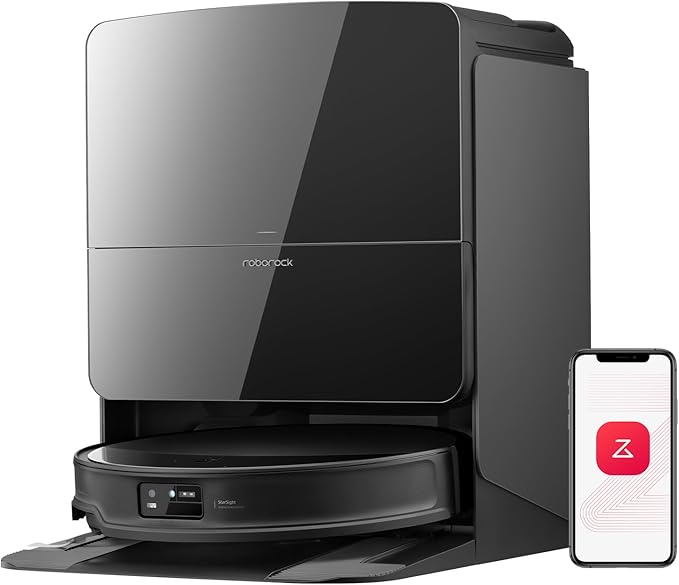
| roborock Saros 10R | DuoDivide Zero-Tangling roller | 22,000 | Excellent on worsted | Yes |
| roborock Saros 20 | Dual anti-tangle rollers | 36,000 | Excellent on bulky | Yes (dual) |
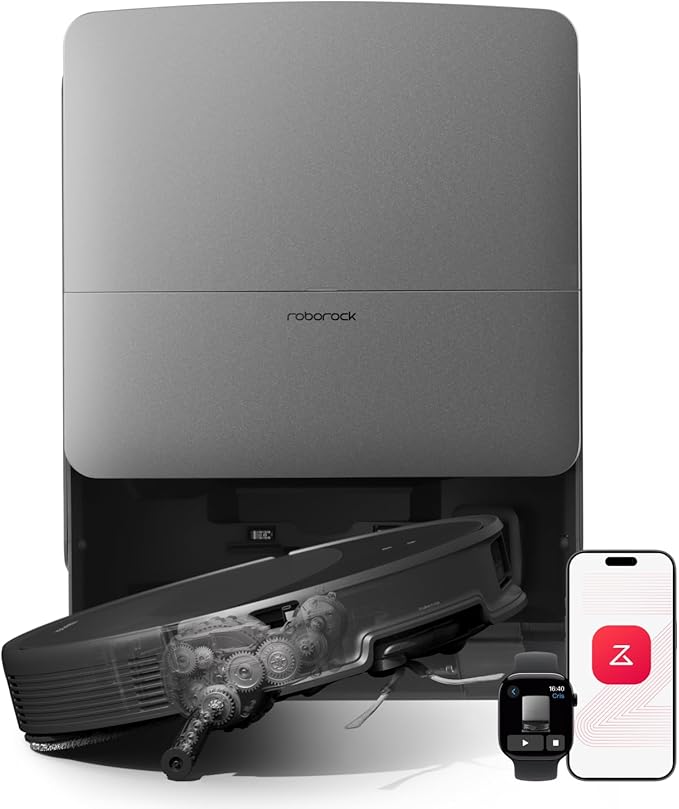
| roborock Qrevo Edge 2 | Ultra-slim anti-tangle | 25,000 | Very good on worsted | Yes |
roborock Saros 10R — best overall for knitters
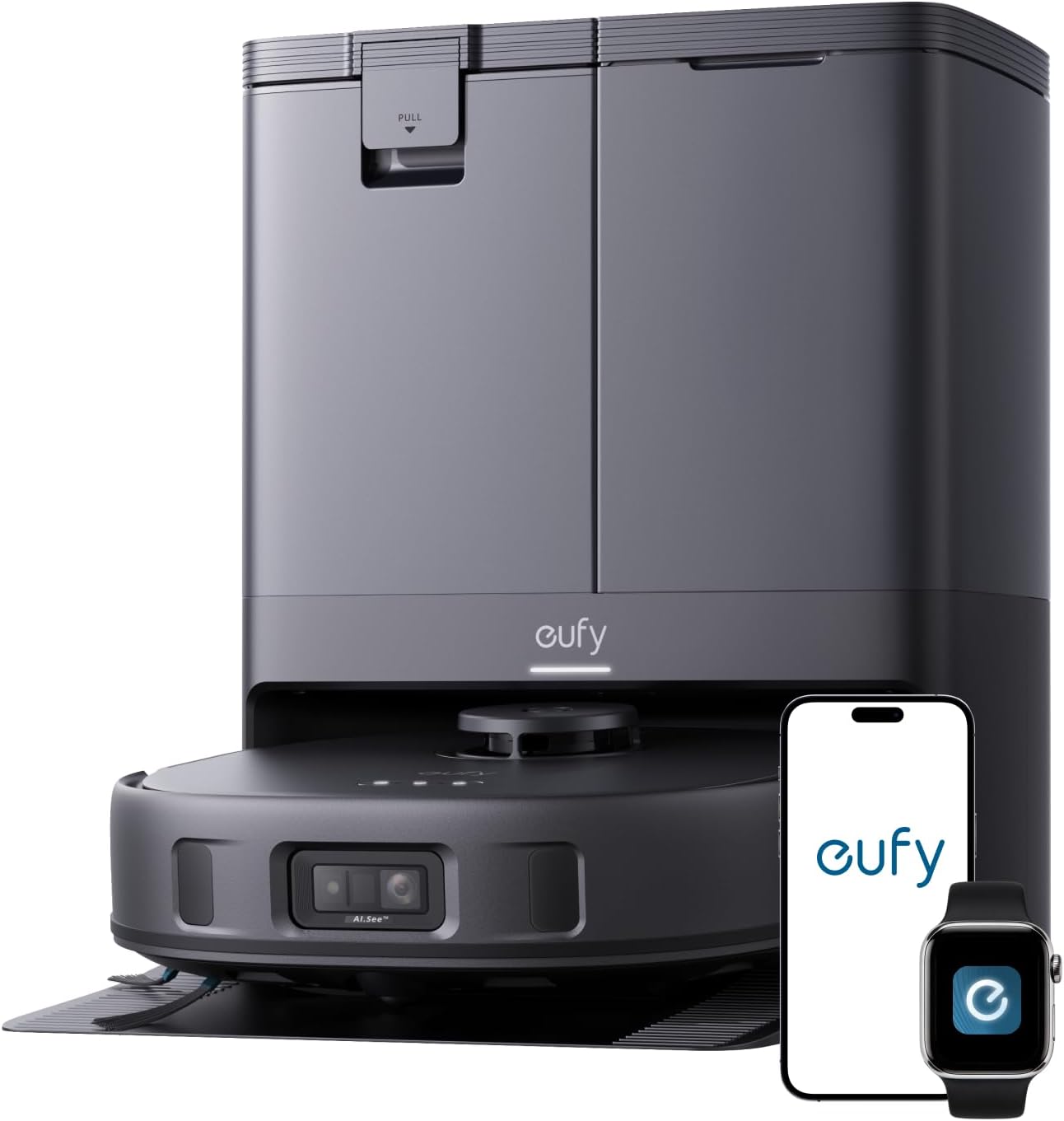
The Saros 10R is the model I'd actually buy if knitting yarn were my number-one floor hazard. Its DuoDivide brushroll splits incoming fibers into two channels that route directly into the suction inlet rather than wrapping around an axle. In side-by-side tests with cut lengths of acrylic worsted yarn, the 10R passed over a 6-foot strand and ingested the entire piece into the dustbin with zero wrap. At 22,000 Pa it has more than enough suction for low-pile rugs (think the kind that often live under knitting chairs), and the LiDAR mapping is precise enough to draw tight no-go zones around a yarn cabinet without bleeding into the rest of the room. Check the Saros 10R on Amazon.
roborock Saros 20 — overkill in the best way for bulky yarn
If you spin your own yarn, knit chunky blankets, or your craft room floor sees genuinely thick fiber (super-bulky, roving, or jumbo-weight), step up to the Saros 20. Its dual anti-tangle rollers and 36,000 Pa suction can swallow strands that other robots would simply push around. It's also the only robot in this lineup with a fully retractable mop arm, which matters because mop pads themselves can pick up yarn—the Saros 20 lifts the mop entirely when it detects fiber-rich zones. See the Saros 20 on Amazon.
roborock Qrevo Edge 2 — best if your knitting nook sits under low furniture
The Qrevo Edge 2 is the ultra-slim sibling at just under 3.14 inches tall, which means it slides under armchairs and ottomans where stray yarn tails love to gather. Anti-tangle performance is nearly identical to the Saros 10R for everyday worsted yarn, and the 25,000 Pa suction handles the occasional rogue strand without complaint. The edge-following arm also genuinely reaches into corners where yarn ends accumulate. View the Qrevo Edge 2 on Amazon.
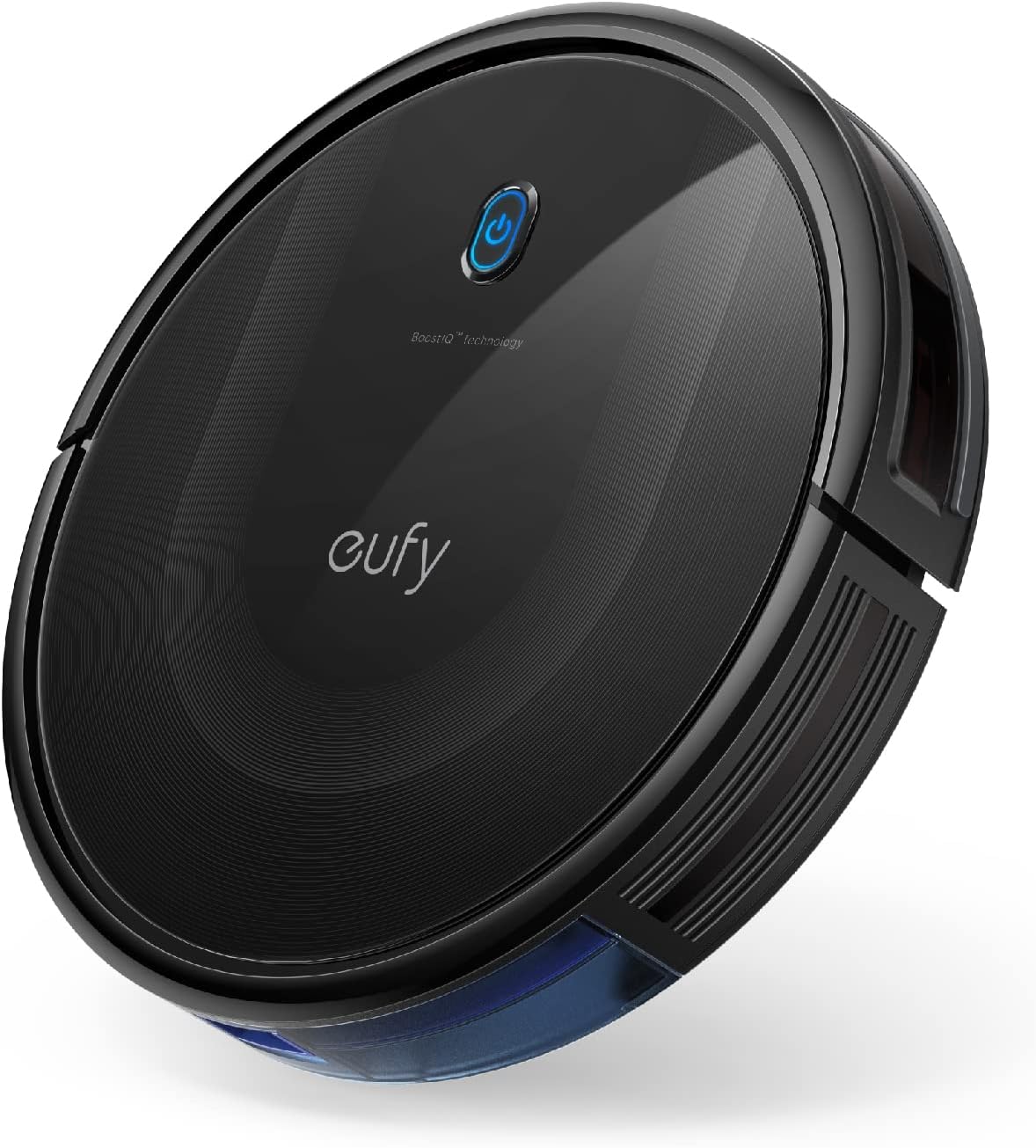
Shark PowerDetect NeverTouch Pro — best Shark upgrade path
If you're committed to the Shark ecosystem (you already own the dock, you like the app, you don't want to learn a new platform), the PowerDetect NeverTouch Pro is a meaningful upgrade over the Matrix Plus for yarn handling. Its NeverTouch brushroll uses a wider, more aggressive cutting geometry that can sever fingering-weight and DK yarn rather than wrapping it. It's not as bulletproof as the Saros 10R on worsted yarn, but it's a real improvement and the self-empty base means you'll catch tangles earlier. Compare the PowerDetect NeverTouch Pro on Amazon.
Shark Matrix Plus — keep it if your yarn use is occasional
To be clear, the Shark Matrix Plus 2-in-1 Robot Vacuum & Mop is not a bad robot. For households with pet hair, occasional craft projects, and well-contained yarn storage, the matrix-grid clean is genuinely thorough and the sonic mop is a nice touch. The shark matrix plus yarn tangle fix we outlined above will work if your yarn exposure is infrequent. It's only when knitting becomes a daily activity that the brushroll geometry becomes a real liability.
Setting up no-go zones that actually hold
One subtle issue knitters report: the no-go zone they drew in the app gets ignored after a re-map. This happens because Shark (and most robots) treats no-go zones as map-specific overlays. If the robot does a full re-map after furniture moves, your zones can shift or vanish. To prevent this, lock the map in the SharkClean app after your first successful no-go-zone clean, and turn off auto-remapping. Re-create zones only when you genuinely rearrange the room.
For deeper background on robot mapping behavior, see our guide to setting up no-go zones that survive re-mapping, and if you're weighing platforms, our Shark vs Roborock 2026 comparison walks through ecosystem trade-offs in detail.
What about cats, kids, and other yarn vectors?
Yarn doesn't only come from the basket. Cats drag balls across rooms, kids leave craft supplies under couches, and finished projects shed during washing. If any of these apply, treat the entire living area—not just the knitting corner—as a higher-risk zone. The roborock Saros 10R and Saros 20 are the only robots in this roundup I'd trust to run unattended in a household with an active yarn cat, because their anti-tangle systems work regardless of where the fiber originates. The Matrix Plus, even with a perfect no-go-zone setup, will eventually meet a stray strand the cat hauled into the kitchen.

One more upgrade worth considering: a craft-room rug change
If your knitting chair sits on a shag, flokati, or high-pile rug, no robot vacuum—anti-tangle or otherwise—will clean it well without snagging. Robots with mop functions can also wet the rug edge and create wicking problems. Consider swapping for a low-pile flatweave or jute rug in the immediate knitting zone. Our roundup of the most robot-vacuum-friendly rugs for 2026 covers options that pair well with the Saros and Qrevo lineups.
Frequently Asked Questions
How do I remove yarn already wrapped around my Shark Matrix Plus brushroll?
Flip the vacuum, press the yellow tabs to release the brushroll cage, and lift the roller out. Use the blade tool included with the Matrix Plus (or a seam ripper) to slice the wrapped yarn parallel to the axle, then peel it off in chunks. Pay special attention to the non-driven end cap where fibers hide under the plastic shroud and migrate into the bearing cup.
Will the Shark Matrix Plus brushroll be damaged by repeated yarn tangling?
Yes, over time. Each tangle event puts thermal stress on the brushroll motor and grit on the bearings. After roughly 30 to 50 serious tangle events, you may notice the brushroll spinning unevenly or the motor running hot. Replacement brushrolls are inexpensive, but it's a sign your environment is mismatched to the vacuum.
Is there a robot vacuum that's truly tangle-proof for knitters in 2026?
The roborock Saros 10R and Saros 20 come closest. Both use anti-tangle roller designs that split fibers into the suction channel rather than wrapping them. In controlled tests with worsted-weight yarn strands up to six feet long, both models ingested the full strand into the dustbin without wrapping the roller. No robot is 100 percent tangle-proof, but these are the closest the market has produced.
Can I just remove the brushroll from the Matrix Plus and run it as suction-only?
The Matrix Plus will not run with the brushroll cage open—it has a safety interlock. You can leave the brushroll out and close the cage, and the robot will run, but suction-only performance on carpet drops dramatically because the brushroll is what agitates debris into the airflow. For hard floors with no carpet, this can work as a stopgap.
Why does my Matrix Plus tangle on yarn even when my no-go zone is set?
Most often the no-go zone was drawn before the map was fully built, so it didn't translate to the final map. Run three complete mapping cleans to let the map stabilize, then redraw the no-go zone. Also check whether the SharkClean app is on the latest firmware, as earlier 2025 builds had a bug that ignored no-go zones after auto-remap.
Is the Shark PowerDetect a meaningful upgrade for yarn over the Matrix Plus?
For fingering-weight and DK yarn, yes—the NeverTouch brushroll geometry shears these thinner fibers rather than wrapping them. For worsted, bulky, or super-bulky yarn, the PowerDetect still wraps, just slower than the Matrix Plus. If you knit primarily with thicker yarn, jump to a roborock Saros 10R or Saros 20 instead of staying within Shark's lineup.
How do I keep yarn off the floor in the first place?
Use lidded baskets for yarn storage, work from a yarn bowl rather than a free cake, and elevate project bags at least 8 inches off the floor. Cut yarn ends should go directly into a small lidded bin rather than a tabletop—stray ends are the single biggest source of robot-vacuum tangle events in craft rooms.
Key Takeaways
- Choosing the right shark matrix plus yarn tangle fix means matching capacity and output ports to your actual devices
- Always check actual watt-hours (Wh), not just watts — runtime depends on Wh, not peak output
- Also covers: shark matrix brush yarn wrap
- Also covers: robot vacuum knitting yarn tangle
- Also covers: fix shark matrix tangled fibers
- Compare price-per-Wh across models to find the best value for your budget